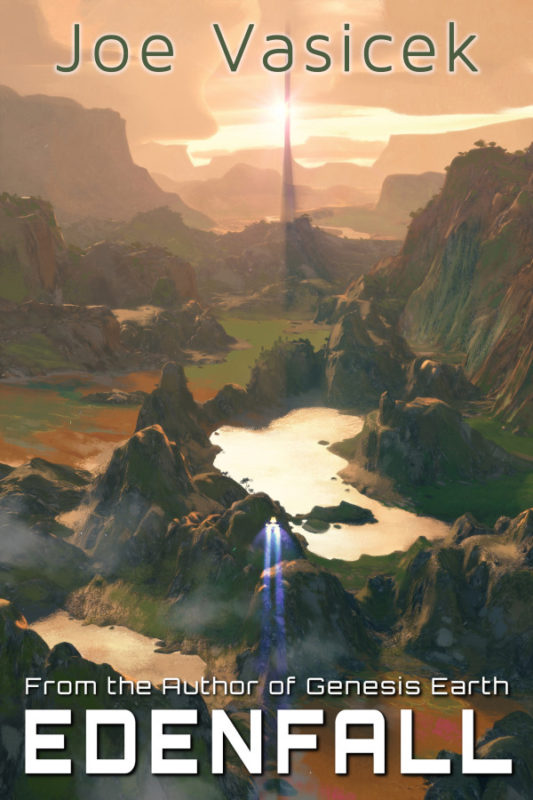
Is In the Wake of Zedekiah Wight for you?

Is In the Wake of Zedekiah Wight for you?

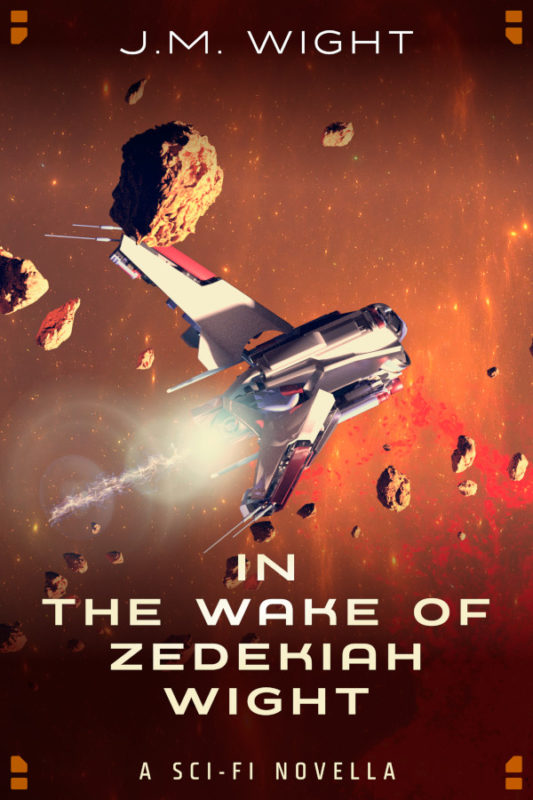
In the Wake of Zedekiah Wight is a dark, morally charged space opera about smugglers, pirates, crime families, slavery, scripture, and the terrible cost of justice in a corrupt galaxy. It delivers a tense, fast-moving science fiction adventure with the hard edges of military SF, the moral intensity of religious fiction, and the larger-than-life presence of a vigilante privateer who may be a madman—or exactly the kind of man the galaxy needs.

What Kind of Reader Will Love This Book?

If you love…

  • Space opera with smugglers, pirate hunters, frontier systems, crime syndicates, and corrupt interstellar powers
  • Military science fiction where battle tactics, starships, boarding actions, and hard choices drive the plot
  • Morally serious science fiction about justice, conscience, slavery, tyranny, and redemption
  • Religious science fiction that draws from scripture, especially Isaiah, without turning into a sermon
  • Antiheroic vigilante figures in the tradition of Solomon Kane, but reimagined for a far-future galactic setting

…then In the Wake of Zedekiah Wight is probably your kind of story.

What You’ll Find Inside

In the Wake of Zedekiah Wight follows Captain Victor Andrecek, an ex-rebel commodore turned smuggler, as a suspicious distress signal pulls his small freighter crew into the path of Zedekiah Wight, a feared privateer whose brutal crusade has made him enemies among pirates, crime lords, slavers, and empires alike. Along the way, the story explores moral compromise, righteous judgment, human trafficking, rebellion, loyalty, and the difference between revenge and justice. The result is a tense, violent, scripture-haunted space opera that feels both pulpy and prophetic: a fast-paced adventure about what happens when ordinary sinners are forced to choose sides in a galaxy where evil has become respectable.

What Makes It Different

Fans of Robert E. Howard’s Solomon Kane will recognize the appeal of a grim, uncompromising wanderer who brings judgment to evildoers, but In the Wake of Zedekiah Wight takes that archetype into a far-future space opera setting of jump-hubs, smugglers, superintelligences, battle armor, crime families, and galactic power politics. Where many vigilante stories focus on lone-wolf revenge, this story leans into conscience, command, loyalty, and the terrifying question of whether justice can remain just when the world itself has gone mad.

It also stands apart from mainstream space opera by treating religious imagery and scripture as central to the story’s moral atmosphere rather than as exotic window dressing. The Isaiah references, the biblical cadence, and the question of who Zedekiah Wight really is give the story a distinctive identity: part military SF thriller, part anti-slavery crusade, part religious science fiction, and part dark frontier adventure.

What You Won’t Find

If you’re looking for lighthearted space adventure, cozy science fiction, secular-only space opera, or a clean-cut hero who never gets blood on his hands, this probably isn’t that kind of book. The story includes brutal violence, disturbing criminal evil, and morally uncomfortable questions about justice, vengeance, and complicity.

But if you want a dark yet purposeful science fiction story where evil is treated as evil, where conscience still matters, and where redemption is possible even for characters who have compromised themselves, you’ll feel right at home.

Why I Think You Might Love It

I wrote Zedekiah Wight because there comes a point when the lies, hypocrisy, corruption, and gaslighting become too much to bear, and you either take a stand or go quietly insane. This story grew out of my love for science fiction, my fascination with scripture—especially Isaiah—and my desire to create a character who feels less like a conventional protagonist and more like a force of nature. Zedekiah’s methods are brutal, and readers may argue over whether he is righteous, mad, or both, but that tension is exactly what makes the story matter to me: in a galaxy where powerful people profit from evil while calling it good, what kind of man would it take to refuse the lie completely?

Where to Get the Book

Related Posts and Pages

Explore my other standalone books here.

Return to the book page for In the Wake of Zedekiah Wight.

The Moral Cost of Revenge in Captive of the Falconstar

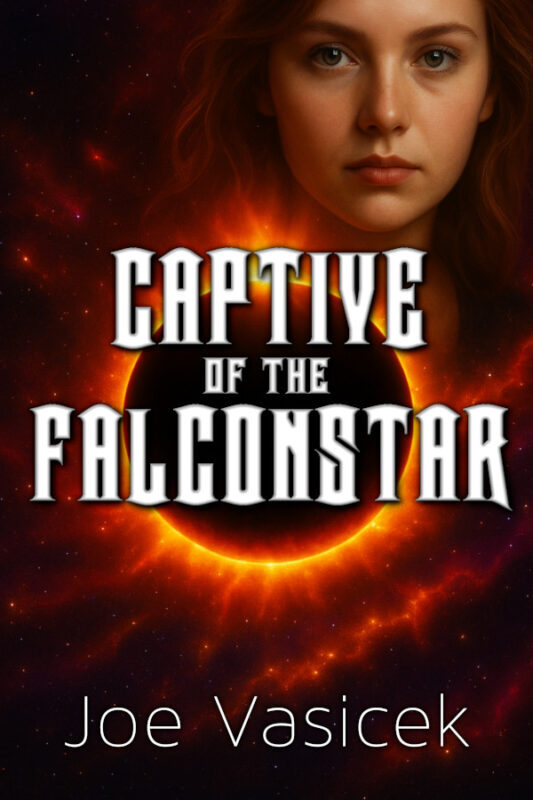
Revenge can feel like freedom when every other kind of freedom has been taken away. In Captive of the Falconstar, a captive woman begins with one simple desire: to go home, reclaim her true name, and return to the life that was stolen from her. But as captivity, betrayal, and humiliation harden inside her, revenge begins to look like the only path left—not just a way to punish her captors, but a way to feel powerful again.

That is what makes the theme so morally dangerous. The desire for revenge is understandable, even righteous in its beginnings, because it grows from real injustice. But revenge does not simply restore what was lost. It reshapes the wounded, narrows their choices, and asks whether striking back is worth the cost to the soul.

Where the Idea Came From

The emotional center of this theme comes from Sonya’s captivity and the way her longing for home is slowly twisted into a hunger for revenge. At the beginning of the book, Sonya dreams of Petyr and Graznav Station, waking to the bitter reality that she is aboard the Falconstar, forced to serve Zlata—now Lady Zenoba—who has embraced the identity and power of the Hameji. Sonya’s first act of resistance is not violence, but memory: insisting that her name is Sonya, not Gulchen, and clinging to the hope that “somedayshift” she will be free.

But the more Sonya is denied escape, the more revenge begins to replace home as the thing that keeps her alive. Genzerig recognizes this weakness and exploits it. He does not merely offer her freedom; he asks whether she wants the Valdamar Clan to suffer for what they have done. When Sonya accepts, revenge gives her “some measure of control over her life”—but it also places that life in the hands of another manipulator. That tension is the seed of the theme: revenge begins as Sonya’s attempt to reclaim agency, but the farther she follows it, the more she discovers that revenge has its own chains.

How the Moral Cost of Revenge Shapes the Story

The moral cost of revenge shapes Captive of the Falconstar by turning captivity into something more dangerous than physical imprisonment. At first, anger helps the wounded survive. It preserves memory, identity, and dignity in a world determined to rename, reshape, and possess them. But as the story unfolds, that anger becomes vulnerable to manipulation. Revenge begins to offer purpose, but that purpose comes through secrecy, deception, and the temptation to treat every relationship as a battlefield.

This is especially powerful because the book refuses to make revenge feel simple. The people who have caused harm are not flattened into faceless monsters, and the people seeking revenge are not magically purified by their suffering. As emotional ties shift and loyalties become complicated, revenge becomes harder to separate from betrayal. The deeper the characters go, the more they must ask whether they are pursuing justice, survival, power, or merely the illusion of control.

That is where the revenge arc becomes most painful. Revenge promises agency, but it can also trap a person inside choices made from fear, grief, and humiliation. By the time the path begins to look darker than expected, turning back may no longer be easy. In a story filled with space opera politics, captivity, dynastic ambition, rival loyalties, and morally gray choices, revenge becomes one of the book’s central emotional engines: a wounded person reaching for freedom, only to discover that vengeance can become another kind of captivity.

What the Moral Cost of Revenge Says About Us

The moral cost of revenge reveals how easily pain can disguise itself as justice. When someone has been wronged, betrayed, or stripped of dignity, the desire to see the guilty punished is deeply human. But Captive of the Falconstar asks what happens when revenge becomes the story a wounded person tells herself in order to keep going. Sonya’s hunger for revenge is not irrational; it grows from real suffering. Yet revenge cannot give her back the life she lost, and it cannot restore the innocence that captivity destroyed. Instead, it risks making her more like the people who used her: calculating, secretive, and willing to turn intimacy into leverage. The hope in this theme lies in the possibility that even after walking far down the path of vengeance, a person may still recognize the cost—and still long for something better than destruction.

Why This Theme Matters to Me

After everything that happened to Sonya in the previous book, I wanted to give her a more active role and make her more of an agent in her own story. That was why I chose to give her a revenge arc: because revenge is one of the most emotionally understandable temptations in fiction. When a character has been genuinely wronged, part of us wants to see them strike back. But I’m more interested in what revenge does after that first rush of satisfaction fades—how it narrows the soul, how it keeps old wounds open, and how it can trap someone in the very pain they are trying to escape. In Captive of the Falconstar, I wanted to explore a revenge arc that is not simple or clean, but tragic, human, and morally complicated.

Where to Get the Book

Buy from Amazon Kindle
Buy from Apple Books
Buy from Barnes and Noble Nook
Buy from Smashwords

Related Posts and Pages

Explore the series index for The Falconstar Trilogy.

Return to the book page for Captive of the Falconstar.

Ruthless Female Competence in Queen of the Falconstar

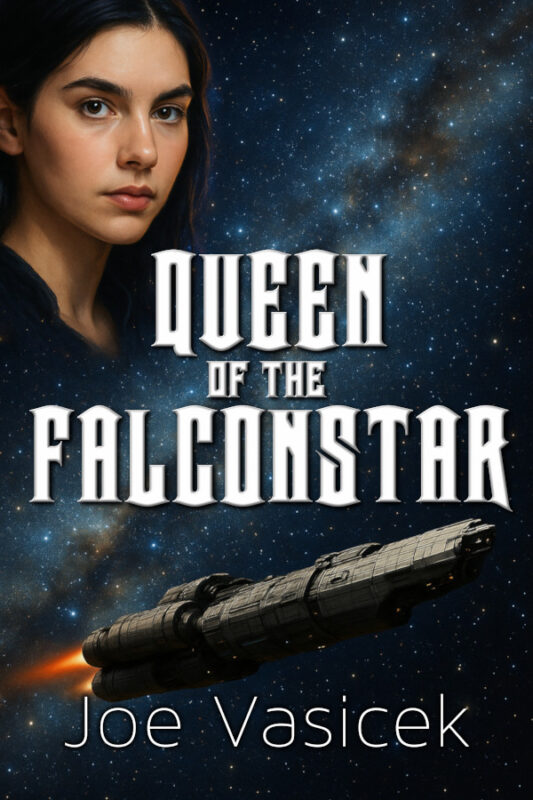
What does it take for a woman to survive when every safe, familiar, and comfortable part of her life is stripped away? In Queen of the Falconstar, Zlata is not the strongest person in the room, the most powerful, or the most protected—but she is often the quickest to see the truth of a situation and adapt to it. Her story is about ruthless female competence: the kind of intelligence, self-control, ambition, and strategic courage that can turn captivity into opportunity.

Where the Idea Came From

The part of this story that excited me most from the beginning was Zlata herself. I wanted to write a heroine who was crafty, pragmatic, resourceful, slightly pessimistic, and above all realistic—someone who accepts the world as it is, even when that world is ugly, and prepares herself to deal with it accordingly. She is ruthless when she needs to be, but not because she enjoys cruelty. Her ruthlessness comes from clarity: she sees what is happening, measures the danger, and does what she believes must be done. That made her a fascinating character to follow into a story full of slavery, sex, power, polygamy, captivity, and survival—dark material that I struggled for years to handle tastefully, but couldn’t quite let go.

How Ruthless Female Competence Shapes the Story

At the beginning of Queen of the Falconstar, Zlata is trapped in a small, stagnant world where competence is useful but unrewarded. On Graznav Station, she works under people who are lazy, complacent, or protected by patronage. She understands how fragile the station really is. She knows how to solve problems that other people ignore. But she has no real authority, no path upward, and no way to become the woman she knows she could be. Her frustration is not simply that she wants adventure; it is that she wants a life where competence matters.

That changes when the Valdamar star clan raids her home and carries her away captive. On the Falconstar, Zlata enters a brutal hierarchy where weakness can destroy you, but usefulness can raise you. She studies the ship, the clan, the customs, the politics, and the people around her. She learns when to submit, when to resist, when to speak, when to remain silent, and when to strike. Her rise from Zlata to Zenoba is not a simple empowerment fantasy. It is a dangerous transformation. She survives by making herself indispensable, but every step upward requires her to become harder, sharper, and more willing to play by the rules of a ruthless world.

That is why her relationship with Sonya is so important. Sonya reminds us what captivity costs emotionally, while Zlata shows what it takes to survive strategically. Zlata protects Sonya, but she also frightens her. She becomes powerful enough to save her friend, but also powerful enough to command her. By the end, Zlata has not merely escaped victimhood—she has become Lady Zenoba, Queen of the Falconstar. The victory is real, but it is not innocent. Her competence saves her life, earns her a place, and gives her power, but it also changes the way she sees herself and everyone around her.

What This Theme Says About Us

Ruthless female competence speaks to a deep human question: what do we do when the world does not reward goodness, innocence, or fairness? Some people break. Some people retreat into fantasy. Some people become cruel. But others learn to see clearly, act decisively, and carve out a place for themselves without waiting for permission. Zlata’s story does not pretend that power is clean or survival is simple. It asks whether a woman can become strong enough to rule without losing the part of herself that first made her worth following.

Why This Theme Matters to Me

Zlata mattered to me because she would not leave me alone. Even when I had doubts about the story, even when I trunked the project, even when the darker material made me question whether I could handle it the right way, I kept coming back to her. I loved the challenge of writing a woman who is not soft, sentimental, or conventionally heroic, but who is still deeply compelling because she sees reality and refuses to be crushed by it. In many ways, Queen of the Falconstar exists because I wanted to know what would happen if a woman like Zlata were thrown into one of the harshest societies I could imagine—and whether she would survive it, escape it, or learn how to rule it.

Where to Get the Book

Related Posts and Pages

Explore the series index for the Falconstar Trilogy.

Return to the book page for Queen of the Falconstar.

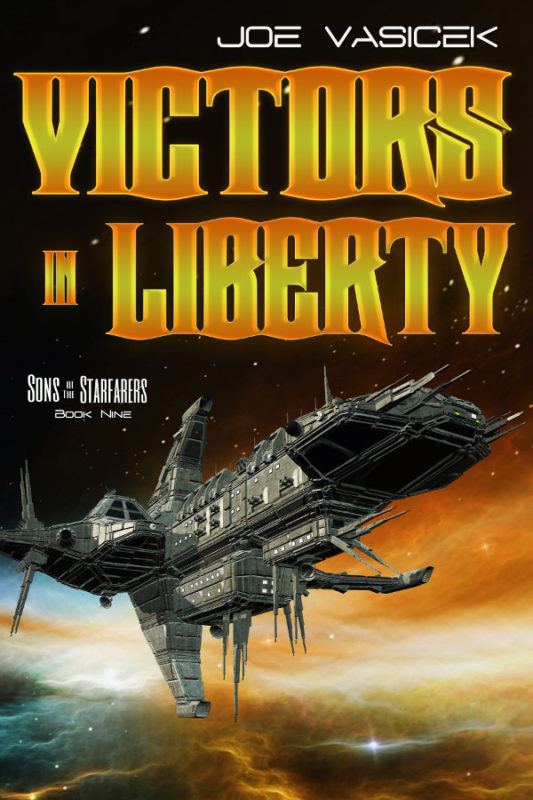
Is Queen of the Falconstar for You?

Queen of the Falconstar is a character-driven space opera about captivity, survival, ambition, and the dangerous opportunities that can open when your old life is stripped away. If you like science fiction that combines starships and interstellar raiders with sharp psychological conflict, high-stakes power struggles, and a heroine who refuses to stay powerless, this book may be for you.

What Kind of Reader Will Love This Book?

If you love…

  • space opera with frontier-colony danger, raiders, and starfaring clan politics
  • character-driven science fiction about survival, adaptation, and rising through a hostile system
  • intelligent, pragmatic heroines who think their way through impossible situations
  • morally complicated stories where safety, loyalty, love, and ambition collide
  • tense emotional dynamics involving captivity, power imbalance, and hard choices

…then Queen of the Falconstar is probably your kind of story.

What You’ll Find Inside

At the center of the story is Zlata, a restless young woman trapped in a dead-end life on an isolated mining station, who is suddenly carried away captive when raiders attack her home. What follows is a tense emotional journey through fear, culture shock, survival, and ruthless self-reinvention, as she realizes that if she wants any future at all, she will have to make herself indispensable. The tone is intense, intimate, and often morally thorny, with a style that is fast-moving, psychologically focused, and grounded more in strategy, character tension, and social maneuvering than in large-scale battlefield spectacle.

What Makes It Different

Fans of space opera will recognize the appeal of starships, frontier colonies, and interstellar conflict, but Queen of the Falconstar takes those elements in a more intimate and socially dangerous direction. Where many science fiction adventure stories focus on external missions or military campaigns, this one leans into captivity, hierarchy, cultural assimilation, and the question of how much of yourself you can surrender without losing your soul. It also stands apart through Zlata herself: she is not a conventional idealist or rebel, but a pragmatic realist whose strength comes from clear-eyed adaptation. The result is a space opera that feels personal, volatile, and psychologically charged.

What You Won’t Find

You won’t find a lighthearted or clean-edged adventure here. This book deals with slavery, sexual threat, coercive power structures, and polygamy-adjacent marriage politics, though it aims to handle those elements seriously rather than gratuitously. You also won’t find a simple good-versus-evil story, since much of the tension comes from navigating a brutal world where survival often depends on morally compromised choices.

Why I Think You Might Love It

This story mattered to me because I could never quite let it go. Zlata especially stayed with me: she’s crafty, pragmatic, resourceful, slightly pessimistic, and ruthless when she needs to be, but she’s also trying to face reality as it is and survive it on purpose. I think this book will connect most strongly with readers who are drawn to stories about what a person becomes under pressure, and about the strange, dangerous line between being conquered and choosing to rise.

Where to Get the Book
Related Posts and Pages

Explore the series index for the Falconstar Trilogy.

Return to the book page for Queen of the Falconstar.

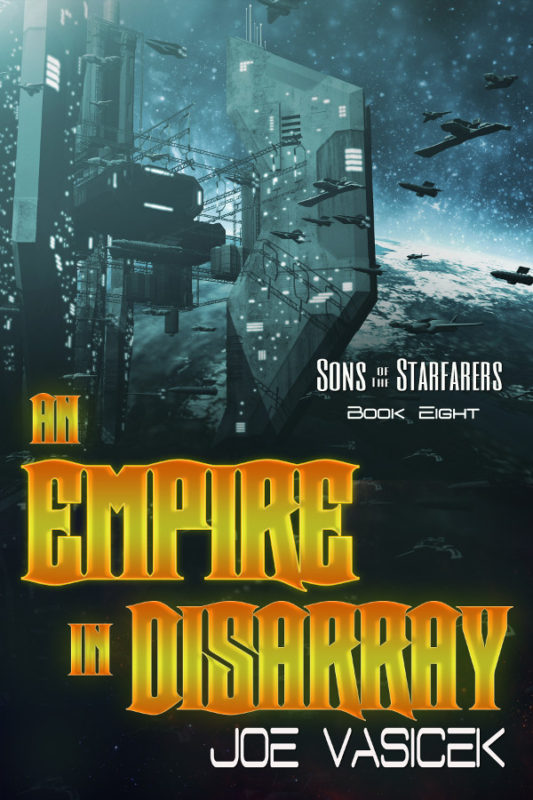
The Cost of Redemption in Victors in Liberty

In Victors in Liberty, the final book of the Sons of the Starfarers space opera series, characters who have survived interstellar conflict must face the consequences of their past decisions. Redemption here is not an easy reset, but a costly path that requires truth, trust, and the courage to confront the damage the past has left behind.

Where the Idea Came From

The idea behind this theme grew from a simple question that echoes throughout the series: What happens after someone has already made terrible choices? Many science fiction stories explore rebellion, war, and survival, but fewer explore what comes after—the long work of rebuilding trust, healing broken loyalties, and choosing who we will become next. The Sons of the Starfarers series began as a space opera about lost colonies, ancient enemies, and humanity’s place among the stars, but as the characters grew, their struggles with guilt, forgiveness, and belonging became just as important as the battles between worlds.

How the Cost of Redemption Shapes the Story

Throughout Victors in Liberty, the characters confront the reality that redemption is never simple. Past betrayals, divided loyalties, and painful memories still shape the present. The question is not whether the past can be erased—it cannot—but whether people can choose a different path going forward. Trust must be rebuilt slowly, and sometimes the greatest act of courage is admitting that you were wrong and asking for the chance to try again.

This struggle touches nearly every major character in the story. Some are trying to forgive others. Some are trying to forgive themselves. Others must decide whether redemption is even possible in a universe where survival often demands hard choices. The result is a character-driven science fiction story where moral decisions matter as much as starships and strategy. The fate of entire worlds may be at stake, but the deeper question is whether broken people can still become something better than what their past suggests.

What The Cost of Redemption Says About Us

At its heart, this theme reflects a truth about human nature. Everyone makes mistakes, and some mistakes feel impossible to undo. Yet history—and everyday life—shows that people are capable of change, growth, and restoration. Redemption does not mean pretending the past never happened. Instead, it means carrying the weight of that past while choosing to build something better. Stories like this resonate because they remind us that hope is not found in perfection, but in the courage to keep moving forward.

Why This Theme Matters to Me

One of the reasons I keep returning to this theme is because I believe redemption is one of the most powerful ideas in storytelling. The characters in this series face enormous external conflicts, but the battles that matter most are the ones inside their own hearts. I’ve always been drawn to stories where people who feel broken or unworthy discover that their story is not finished yet. That possibility—that a person can fall, struggle, and still rise again—is something I find deeply hopeful, both in fiction and in life.

Where to Get the Book
Related Posts and Pages

Explore the series index for the Sons of the Starfarers series.

Return to the book page for Victors in Liberty.

Is Victors in Liberty for You?

Victors in Liberty is for readers who want space opera that stays intensely human even when the stakes stretch across worlds. It delivers a tense, emotionally layered finale full of loyalty, sacrifice, found-family bonds, war, freedom, and the cost of choosing who you will become.

What Kind of Reader Will Love Victors in Liberty?

If you love …

  • character-driven military space opera with deep personal stakes
  • long-form science fiction series where relationships matter as much as battles
  • stories about loyalty, identity, duty, and the search for freedom
  • found family, reluctant alliances, and wounded people trying to become whole
  • epic series finales that feel both hard-won and emotionally intimate

…then Victors in Liberty is probably your kind of story.

What You’ll Find Inside

Victors in Liberty follows Reva, Isaac, Mara, Aaron, Ayesha, and the wider cast of Sons of the Starfarers as they face the final consequences of everything the series has been building toward: war on a planetary scale, divided loyalties, the pressure of leadership, and the question of what kind of future can be saved without losing the soul of the people fighting for it. The emotional journey is tense, bruised, and deeply personal, yet still hopeful. The result is a fast-moving, character-centered space opera finale that blends military action, telepathic mystery, moral struggle, and a persistent belief that endurance, mercy, and human connection still matter.

What Makes Victors in Liberty Different

Like the best military and character-driven space opera, this story offers fleet action, political danger, and high-stakes survival—but what sets Sons of the Starfarers apart is how much it cares about inner conflict, chosen loyalty, and the spiritual and emotional cost of war. This is not just a series about ships, battles, and empires. It is also a series about fractured people trying to build trust, keep promises, and find freedom without becoming monsters themselves. Even at its largest scale, the story remains intimate, with the fate of worlds constantly tied to personal choices and relationships.

What You Won’t Find

You won’t find hard science fiction focused mainly on technology, nor a detached military thriller where tactics matter more than people. You also won’t find a grimdark finale that treats human attachment as weakness. This series goes to painful places, but it keeps returning to loyalty, conscience, healing, and hope.

Why I Think You Might Love Victors in Liberty

I think this story matters because it feels earned. It carries the weight of a long journey—both for the characters and for the series itself—and that gives the ending a sense of promise fulfilled. More than that, it is a story for readers who care about perseverance: not just surviving hardship, but continuing to choose responsibility, love, freedom, and meaning when the easy path would be to give up. That sense of endurance, commitment, and gratitude is part of what gives this finale its heart.

Where to Get the Book
Related Posts and Pages

Explore the series index for the Sons of the Starfarers series.

Return to the book page for Victors in Libery.

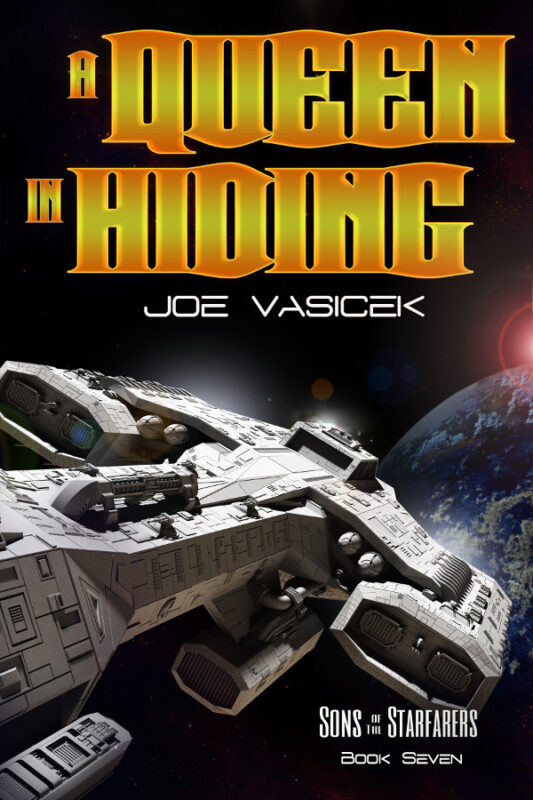
Is An Empire in Disarray for You?

An Empire in Disarray is late-series space opera at full intensity: shifting alliances, desperate diplomacy, covert raids, and the personal cost of holding a fragile coalition together when everything starts to crack. This is book eight in the nine-book Sons of the Starfarers series, which means the story is driving hard toward endgame—without losing sight of the characters who’ve carried you across the war.

If you want a sci-fi series where battles and politics matter because they press people to their moral limits, this is the kind of reading experience you’re in for.

What Kind of Reader Will Love An Empire in Disarray?

If you love …

  • character-driven military science fiction and space opera with long-running arcs and real consequences
  • rebellion-vs-empire stories that evolve into messy “what now?” politics after the turning point
  • tense alliances, betrayals, secret negotiations, and behind-enemy-lines missions
  • found family (and actual family) dynamics under extreme pressure—duty vs. loyalty vs. love
  • big stakes told through a close, emotional lens (you feel the cost, not just the spectacle)

…then An Empire in Disarray is probably your kind of story.

What You’ll Find Inside

An Empire in Disarray follows Mara Soladze and the people bound to her as the Outworld war effort enters its most unstable phase: victories don’t settle anything, power reshuffles, and old enemies become uneasy necessities. The book mixes fleet-and-station scale strategy with intimate, character-level tension, especially as trust becomes both the most valuable currency—and the easiest thing to weaponize. The result is a fast-moving, high-stakes installment that feels like the calm-before-the-storm is finally over.

What Makes An Empire in Disarray Different

Fans of authors like Lois McMaster Bujold (character-first military sci-fi), Elizabeth Moon (duty, leadership, and hard choices), or James S. A. Corey (factional politics in space) will recognize the blend of strategy, relationships, and shifting loyalties—but this series leans especially hard into consequences that accumulate across many books.

Where many space operas keep escalating external threats, Sons of the Starfarers also asks what happens when the “good side” starts fracturing under its own compromises. And in this installment, the story’s distinctive edge is how it forces characters to navigate collective survival while still fighting to remain fully themselves.

What You Won’t Find

You won’t find a cozy, standalone entry point here—this is the eighth book in a nine-book arc, and it’s written to pay off (and complicate) what came before. You also won’t find grimdark nihilism for its own sake: things get intense, but the series is ultimately driven by the question of whether people can become better under pressure, not merely harder.

Why I Think You Might Love An Empire in Disarray

In the author’s note, I half-joke that nobody should write a nine-book series—and then I admit why I did it anyway: because I’ve cared about these characters from the beginning, and I wanted to see where war would take them when it stopped being abstract and became personal. When I was drafting this book, I’d just moved back to Utah after a long stretch in Iowa, driving that lonely road through Wyoming and down past Evanston into the mountains—thinking about pioneers, endurance, and the strange mixture of hardship and beauty that comes with trying to build something that lasts.

That’s the heart of this installment, too. The ending I’d imagined for this series was never going to be neat or permanent—politics rarely is, especially after revolution—and my background in political science (and the places I’ve lived and traveled) shaped that. But the real reason I think you might love this book is simpler: An Empire in Disarray is where you get to see how far Mara has come, and what kind of person she chooses to become when all the easy choices are gone.

Where to Get the Book
Related Posts and Pages

Explore the series index for the Sons of the Starfarers series.

Return to the book page for An Empire in Disarray.

Is A Queen in Hiding for You?

A Queen in Hiding is a character-driven epic space opera about loyalty under pressure, identity under strain, and survival when there is nowhere left to run. Set deep within the long-running Sons of the Starfarers series, it delivers high-stakes interstellar tension blended with intimate moral conflict. This is science fiction that combines fugitives-on-the-run suspense with serious questions about responsibility, leadership, and what it means to remain human in a fractured galaxy.

What Kind of Reader Will Love This Book?

If you love…

  • character-driven space opera in the vein of The Expanse or Firefly
  • epic science fiction series where relationships evolve across multiple books
  • found family in space shaped by loyalty, sacrifice, and hard-earned trust
  • moral, thoughtful sci-fi that explores identity, unity, and individual freedom
  • clean space opera adventure without grimdark nihilism

…then A Queen in Hiding — and the broader Sons of the Starfarers series — is probably your kind of story.

This book is best experienced as part of the full series arc, beginning with Book 1.

What You’ll Find Inside

A Queen in Hiding follows central characters who have already survived war, betrayal, and political upheaval — only to discover that survival brings new and subtler challenges. As they navigate isolation, shifting alliances, and the consequences of earlier choices, the story explores themes of loyalty, identity, conscience, unity versus individuality, and the burden of leadership. The tone is tense yet reflective, blending space opera action with psychological depth and long-arc character development.

What Makes A Queen in Hiding Different

Fans of The Expanse-style pressure-cooker space opera or military SF will recognize the hard choices, the chase, and the tactical survival problem-solving—but A Queen in Hiding takes those familiar tensions in a more intimate, morally invasive direction. Where many space operas keep minds private and conflict external, this book leans hard into the horror (and strange tenderness) of shared consciousness, where love, fear, lust, shame, and loyalty echo through more than one head.

This series stands apart for its sustained focus on family bonds, cultural tension, and moral accountability across generations. The scale is galactic, but the heartbeat of the story is deeply personal. Instead of resetting after each crisis, the consequences carry forward — shaping who these characters become over time.

What You Won’t Find

You won’t find a light, standalone adventure that resets at the end. This is a deep-series installment that builds on long-running character arcs. You also won’t find nihilistic grimdark or shock-for-shock’s-sake storytelling—the stakes are serious, but the series remains grounded in hope and moral seriousness rather than cynicism.

Why I Think You Might Love A Queen in Hiding

This book represents a turning point in the series—where long-standing tensions finally demand honest reckoning. I wrote it because I wanted to explore what leadership, love, and responsibility look like when they’re tested beyond comfort. Every time I revisit it, I’m reminded that growth rarely happens in safety; it happens in exile, in uncertainty, and in the quiet decisions no one applauds.

If you crave space opera that treats character transformation as seriously as interstellar politics, this story was written for you.

Where to Get the Book

Related Posts and Pages

Explore the series index for the Sons of the Starfarers series.

Return to the book page for A Queen In Hiding.

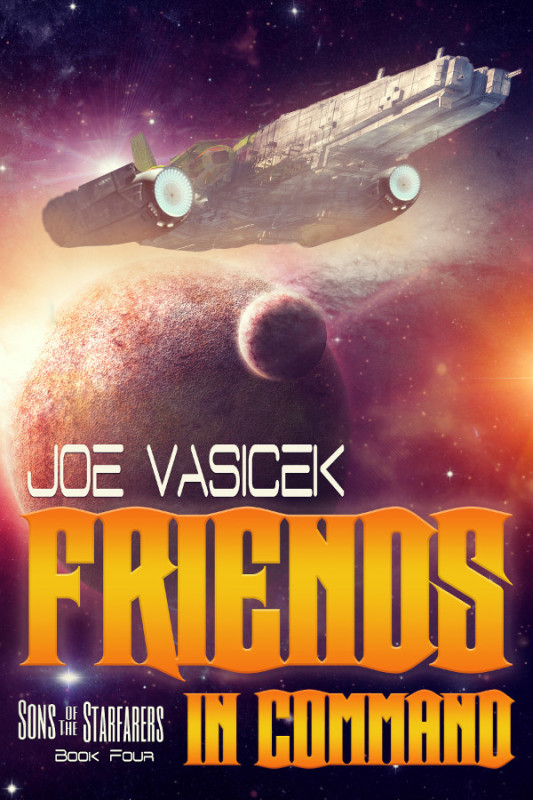
Is Friends in Command for You?

Friends in Command is a character-driven military science fiction novel and space opera series installment about leadership, loyalty, and the quiet terror of being responsible for other people’s lives. Set during an escalating interstellar war, it follows a small starship crew forced to grow up fast—personally, morally, and professionally—when command stops being theoretical and starts being real.

This is the fourth book in the Sons of the Starfarers military science fiction series and builds directly on the events, relationships, and character arcs established in the earlier novels.

What Kind of Reader Will Love Friends in Command?

If you love…

  • military science fiction that focuses on people, leadership, and consequences, not just tactics
  • character-driven space opera about friends becoming leaders under pressure
  • stories where command is a burden, not a reward
  • long-running series with deepening relationships and evolving roles across multiple books
  • emotional arcs about loyalty, responsibility, and hard-earned maturity in wartime

…then Friends in Command is probably your kind of story.

What You’ll Find Inside

The story centers on a young crew—many of them longtime comrades—now thrust into positions of real authority aboard a frontline warship in a character-driven military space opera. As the war grows more complex and dangerous, friendships are tested, mistakes carry higher costs, and leadership becomes a daily moral trial. The tone is thoughtful and tense, balancing moments of action with introspective, character-focused scenes, and the pacing reflects the pressure of command: urgent when it must be, deliberate when it matters most.

What Makes Friends in Command Different

Unlike many military SF novels that focus on ascension and glory, Friends in Command is about the awkward, painful middle stage of leadership—when characters are no longer protected by inexperience but not yet confident masters of their roles. It functions as a bridge book within the series, deepening character arcs and setting the emotional stakes for what comes next. Readers who enjoy ensemble casts and long-form character growth—rather than clean standalone victories—will find this installment especially rewarding.

What You Won’t Find

This is not a standalone novel, and it’s not designed for readers who want a reset with each book. You also won’t find nihilism or shock-for-shock’s-sake violence; while the story is intense and serious, it remains grounded in loyalty, conscience, and earned hope rather than cynicism.

Why I Think You Might Love It

I think Friends in Command resonates because it captures a moment many stories skip over: when people are promoted before they feel ready, and the cost of getting things wrong suddenly includes the people they care about most—a moment many readers recognize from real life as much as from fiction. This book mattered to me because it let the characters stop reacting and start choosing—sometimes badly, sometimes bravely—and those choices ripple forward through the rest of the series.

Where to Get the Book

Related Posts and Pages

Explore the series index for the Sons of the Starfarers series.

Return to the book page for Friends in Command.

Is Heart of the Nebula for You?

Heart of the Nebula is a character-driven space opera and political military science fiction novel about leadership, sacrifice, and the cost of protecting a people who are barely holding together. Set after a brutal alien occupation and a desperate refugee exodus into deep space, the story follows survivors of the Hameji War as they struggle to remain unified while haunted by past choices. This is a story about moral courage under pressure—when there are no clean victories, only necessary and costly decisions.

Heart of the Nebula is part of The Hameji Cycle, a character-driven science fiction series about occupation, resistance, exile, and the long aftermath of interstellar war. It continues The Hameji Cycle’s exploration of occupation, exile, resistance, and the moral cost of survival after interstellar war. It is the fourth book of the series, but can be read as a standalone book.

What Kind of Reader Will Love Heart of the Nebula?

If you love…

  • character-driven science fiction that treats leadership and responsibility as moral burdens, where decisions affect entire communities
  • space opera focused on refugees, displaced peoples, and survival after catastrophe
  • stories about sacrifice, loyalty, and the tension between individual conscience and communal good
  • thoughtful science fiction that explores politics, ethics, and power without cynicism

…then Heart of the Nebula is probably your kind of story.

What You’ll Find Inside

At the center of Heart of the Nebula is James McCoy, a reluctant leader trying to guide a fractured colony of refugees through the aftermath of war, betrayal, and long-term displacement. The story balances tense action—mutiny, political fracture, and survival in deep space—with quiet emotional reckoning, including moments where every available option carries moral cost, tracing the psychological cost of command and the lingering weight of past choices. The tone is serious and reflective, with moments of intensity and tenderness, and a steady pace that prioritizes character, consequence, and ethical decision-making over spectacle alone.

What Makes Heart of the Nebula Different

Unlike many space operas that celebrate charismatic heroes and clear-cut triumphs, Heart of the Nebula interrogates what happens after a hero becomes a legend—and that legend begins to divide the people it was meant to save. It blends military science fiction with political and ethical science fiction, focusing on how legends distort truth and fracture communities. The story also centers an exodus narrative—less about conquest or discovery, and more about survival, memory, and the fragile act of rebuilding a society in exile.

What You Won’t Find

This is not a lighthearted or quippy adventure, and it doesn’t offer easy moral answers or fast resolutions. You won’t find simplistic good-versus-evil framing, power fantasies, or violence treated as consequence-free. Romance exists, but it remains grounded and secondary, serving the emotional journey rather than driving the plot.

Why I Think You Might Love Heart of the Nebula

I wrote Heart of the Nebula because I couldn’t let go of a question that kept resurfacing: when people willingly sacrifice themselves for the greater good, is it right—or even moral—to intervene and undo that sacrifice as a leader responsible for others? This book is my attempt to wrestle honestly with leadership, responsibility, regret, and the cost of choosing “no one left behind” in a universe that punishes mercy. If you enjoy science fiction that treats ethical dilemmas seriously and allows characters—and societies—to live with the consequences, I think this story will stay with you.

Where to Get the Book

Related Posts and Pages

Explore the series index for The Hameji Cycle.

Return to the book page for Heart of the Nebula.