The Cost of Redemption in Victors in Liberty

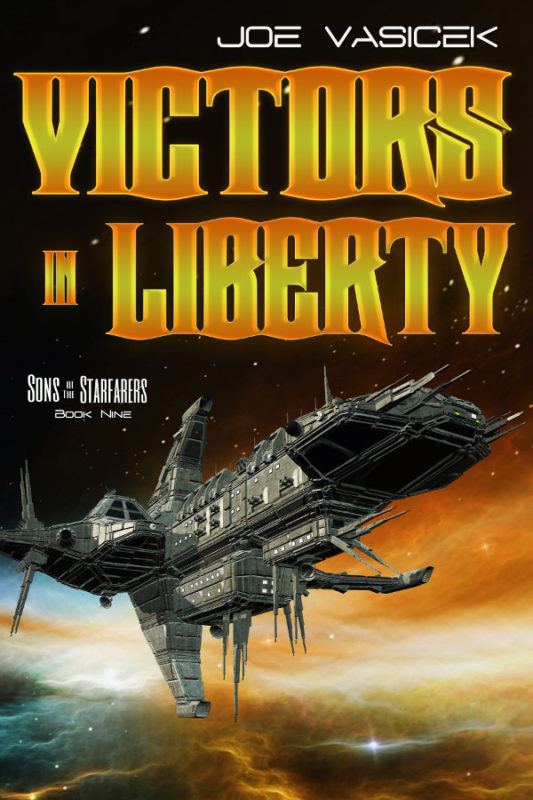
In Victors in Liberty, the final book of the Sons of the Starfarers space opera series, characters who have survived interstellar conflict must face the consequences of their past decisions. Redemption here is not an easy reset, but a costly path that requires truth, trust, and the courage to confront the damage the past has left behind.

Where the Idea Came From

The idea behind this theme grew from a simple question that echoes throughout the series: What happens after someone has already made terrible choices? Many science fiction stories explore rebellion, war, and survival, but fewer explore what comes after—the long work of rebuilding trust, healing broken loyalties, and choosing who we will become next. The Sons of the Starfarers series began as a space opera about lost colonies, ancient enemies, and humanity’s place among the stars, but as the characters grew, their struggles with guilt, forgiveness, and belonging became just as important as the battles between worlds.

How the Cost of Redemption Shapes the Story

Throughout Victors in Liberty, the characters confront the reality that redemption is never simple. Past betrayals, divided loyalties, and painful memories still shape the present. The question is not whether the past can be erased—it cannot—but whether people can choose a different path going forward. Trust must be rebuilt slowly, and sometimes the greatest act of courage is admitting that you were wrong and asking for the chance to try again.

This struggle touches nearly every major character in the story. Some are trying to forgive others. Some are trying to forgive themselves. Others must decide whether redemption is even possible in a universe where survival often demands hard choices. The result is a character-driven science fiction story where moral decisions matter as much as starships and strategy. The fate of entire worlds may be at stake, but the deeper question is whether broken people can still become something better than what their past suggests.

What The Cost of Redemption Says About Us

At its heart, this theme reflects a truth about human nature. Everyone makes mistakes, and some mistakes feel impossible to undo. Yet history—and everyday life—shows that people are capable of change, growth, and restoration. Redemption does not mean pretending the past never happened. Instead, it means carrying the weight of that past while choosing to build something better. Stories like this resonate because they remind us that hope is not found in perfection, but in the courage to keep moving forward.

Why This Theme Matters to Me

One of the reasons I keep returning to this theme is because I believe redemption is one of the most powerful ideas in storytelling. The characters in this series face enormous external conflicts, but the battles that matter most are the ones inside their own hearts. I’ve always been drawn to stories where people who feel broken or unworthy discover that their story is not finished yet. That possibility—that a person can fall, struggle, and still rise again—is something I find deeply hopeful, both in fiction and in life.

Where to Get the Book

Related Posts and Pages

Explore the series index for Sons of the Starfarers.

Return to the book page for Victors in Liberty.

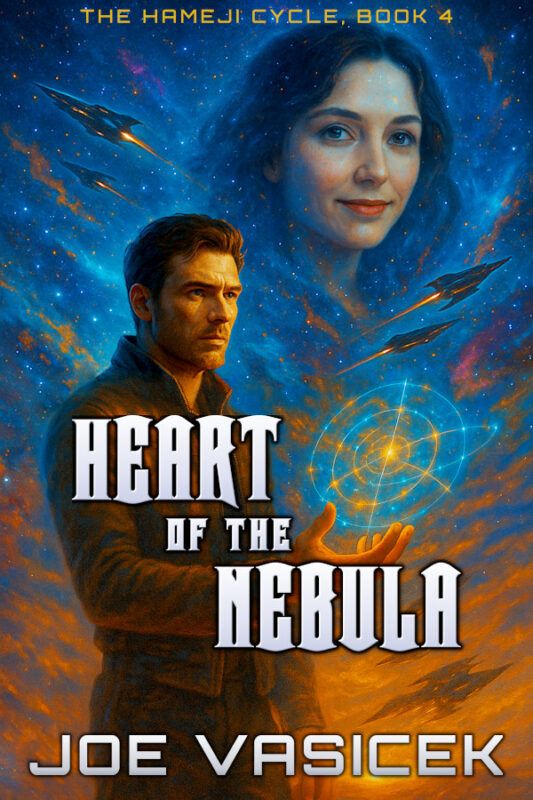
Survival After Catastrophe in Heart of the Nebula

Most science fiction stories focus on the catastrophe itself—the war, the invasion, the moment everything breaks. Heart of the Nebula asks a harder question: what comes after? This novel explores survival not as escape or victory, but as the long, grinding work of holding a shattered people together once the worst has already happened.

Heart of the Nebula is a character-driven space opera about survival after a devastating interstellar war, focused on leadership, scarcity, and the fragile work of rebuilding when victory is no longer an option. This is a story about living in the aftermath—when supply lines are fragile, authority is contested, and every decision carries consequences that can’t be undone.

Where the Idea Came From

The theme of survival after catastrophe grew out of thinking about what happens between history’s big moments. Wars end, empires fall, and invasions retreat—but the survivors are left to deal with the damage. In the author’s note, I talk about being interested in the liminal space after disaster, when the adrenaline fades and people are forced to confront loss, responsibility, and the reality that survival itself can be exhausting. I wanted to write a science fiction story set squarely in that aftermath—a post-war space opera where the central tension isn’t winning the conflict, but preventing a fragile civilization from quietly collapsing afterward.

How Survival After Catastrophe Shapes the Story

In Heart of the Nebula, the Hameji invasion is already over—but its consequences dominate every aspect of the plot, shaping a post-war survival narrative where rebuilding, scarcity, and leadership under pressure matter more than battlefield victories, even for readers new to the series. The surviving colonies are isolated, under-resourced, and barely holding together. Medical supplies, food shipments, and functioning infrastructure matter more than heroic speeches or decisive battles. Survival is measured in convoys protected, hospitals kept running, and fragile alliances maintained under pressure.

This theme also shapes the novel’s political and moral conflicts. Leadership becomes a form of triage: deciding what can be saved, what must be sacrificed, and how much compromise is acceptable before survival loses its meaning. Characters aren’t choosing between good and evil so much as between bad options and worse ones, all while knowing that a single failure could push their society from instability into total collapse.

What Survival After Catastrophe Says About Us

At its core, survival after catastrophe asks what we owe each other when the world no longer offers easy answers. When institutions fail and certainty disappears, morality becomes less about ideals and more about responsibility. For readers drawn to science fiction that explores rebuilding, moral responsibility, and the cost of survival after war, this theme asks not how we endure catastrophe—but how we remain human afterward. That’s why in Heart of the Nebula, survival isn’t just about staying alive—it’s about preserving trust, dignity, and a sense of shared purpose even when fear and scarcity make that difficult. It’s a reminder that rebuilding is not a single act, but a daily choice.

Why This Theme Matters to Me

I’ve always been drawn to stories about aftermath rather than explosions. The moments that interest me most are the quiet ones—when people have to live with what’s already happened and decide who they’re going to be next. Writing Heart of the Nebula was my way of exploring survival after catastrophe—the exhaustion, the moral weight, and the stubborn hope that survival can still mean something more than endurance.

Where to Get the Book

Related Posts and Pages

Explore the series index for The Hameji Cycle.

Return to the book page for Heart of the Nebula.