What Makes a “Joe Vasicek” Book?

I recently uploaded all of my books to ChatGPT and asked it to read them all and tell me what makes a “Joe Vasicek” book. The result was a fascinating conversation with the chatbot. It was too long to share in its entirety, so I asked ChatGPT to summarize it as a 1500 word blog post. Here is what it gave me:


Every author has recurring patterns. Sometimes they are obvious: favorite settings, familiar plot structures, beloved tropes. Sometimes they run deeper, beneath genre and surface premise, shaping the emotional and moral logic of the stories themselves. Looking across Joe Vasicek’s published science fiction and fantasy, a clear pattern emerges. His books are not simply space operas, frontier adventures, sword-and-sorcery tales, or clean romantic fantasies. At their core, they are stories about people trying to find, build, defend, or become worthy of home.

A Joe Vasicek book is usually set on the edge of civilization. That edge may be literal outer space: a far-flung colony, an isolated station, a small merchant starship, a dangerous trade route, or a frontier beyond the reach of stable law. It may also be a fantasy frontier: a seacoast, a ruined kingdom, a cursed wilderness, a lonely homestead, or a world recovering from plague, war, and desolation. But whatever form the frontier takes, it is rarely just a backdrop for adventure. It is a moral testing ground.

The central question is not merely whether the hero will survive. It is whether the hero can preserve the things that make survival meaningful: family, faith, freedom, love, loyalty, honest work, and moral courage.

This is why exile appears so often in Vasicek’s fiction. His protagonists are frequently displaced people: wanderers, captives, refugees, orphans, widows, failed apprentices, disgraced sons, forgotten daughters, fugitive lovers, and people who no longer belong in the world that formed them. They may dream of a lost Earth, flee an oppressive warrior culture, survive famine on a failing station, escape slavery, seek a ship, or defend a fragile home from powers that would destroy it. Their longing is not abstract. They want something deeply concrete: a place at the table, a family, a ship, a marriage, a household, a people, a future.

That longing for home is one of the defining features of Vasicek’s voice and vision. In many of his books, home is not something the characters simply return to. It must be built, chosen, earned, or restored. Sometimes it is a starship crew. Sometimes it is a marriage. Sometimes it is a frontier colony. Sometimes it is a homestead in the woods, a kingdom healed from corruption, or a family formed under impossible circumstances. His stories tend to end not merely with enemies defeated, but with the possibility of a stable moral order: a household, a child, a promise, a voyage, a free people, a new beginning.

Closely connected to this is Vasicek’s recurring interest in family formation. Marriage, children, inheritance, kinship, motherhood, fatherhood, and legitimacy are not decorative details in his fiction. They are often central to the worldbuilding. Societies in his books are shaped by who marries whom, who inherits, who belongs, who is cast out, who is enslaved, who is protected, and who is allowed to have a future. This gives even his space opera a domestic and anthropological depth. Starships are not just machines. They are households. Frontier settlements are not just adventure locations. They are embryos of civilization.

This family-centered quality sets Vasicek apart from much of contemporary science fiction and fantasy. In a market often dominated by antiheroes, irony, grimdark despair, eroticized power dynamics, or purely individual self-actualization, Vasicek’s books keep returning to older and more ordinary goods: marriage, children, duty, faith, work, and home. That does not mean the books are soft. His stories include captivity, slavery, war, famine, coercion, betrayal, exile, monsters, corrupt rulers, and civilizational collapse. But the darkness does not usually become the point. It is the pressure under which characters reveal what they truly love.

Another recurring element is freedom versus domination. Vasicek’s villains and oppressive systems often seek control over the intimate foundations of human life. They enslave, coerce, corrupt, conquer, manipulate marriage, break families, reduce people to tools, or turn sacred things into instruments of power. Against them stand people who may be weak, wounded, or compromised, but who still recognize that some things must not be surrendered. A recurring moral pattern in Vasicek’s work is that power becomes evil when it severs itself from love, covenant, humility, and responsibility.

This is especially visible in his fantasy. In the fantasy stories, magic frequently tests the soul. Treasure corrupts. Dark orders twist noble purposes. Forbidden power promises victory while hollowing out the one who wields it. Sacred objects and magical gifts are not merely tools; they expose character. The question is often whether the hero can become worthy of the power placed in his or her hands.

The science fiction handles similar concerns differently. In Vasicek’s SF, the central question is more often civilizational: what kind of society will human beings build on the frontier? Technology, star travel, colonization, lost Earth, trade routes, empires, and small ships all become ways to explore whether freedom and family can survive across distance. The fantasy asks whether the soul is worthy to wield power. The science fiction asks whether civilization is worthy to endure.

Yet the two sides of Vasicek’s work are recognizably connected. A sea mage searching for a crew and a star wanderer seeking a place among the stars are spiritual cousins. A cursed treasure that tests a fantasy hero and a civilization-changing technology that threatens an Outworld culture are variations on the same concern: what happens when power outruns virtue?

Faith is another quiet but persistent current. Vasicek’s books are not always explicitly religious, and many are not “religious fiction” in the usual bookstore sense. But they are shaped by a religious imagination. Providence matters. The universe has moral structure. Choices echo beyond immediate consequences. Suffering is not meaningless. Death is not always the final word. Love, sacrifice, chastity, loyalty, mercy, repentance, and covenant are treated as real forces, not sentimental illusions.

This gives his work what might be called moral gravity. The stories are generally clean, but “clean” is too weak a word for what they are doing. Clean can sound bland, safe, or sanitized. Vasicek’s better books are not harmless. They are morally serious. They often deal with brutal worlds, but without surrendering to brutality. They offer hope, but usually after loss.

That balance—dark trials, hopeful destination—is one of the most marketable aspects of his brand. Readers who are tired of nihilism may find in his books a kind of old-fashioned adventure that does not feel cynical. Readers who enjoy romance but do not want explicit heat may respond to the way his stories treat love as courtship, marriage, loyalty, and family destiny. Readers who enjoy frontier survival may respond to the practical details of ships, homesteads, trade, hunger, labor, and settlement. Readers who want faith-friendly speculative fiction may find his work welcoming without feeling confined to the Christian-fiction aisle.

At the same time, the analysis reveals some challenges. Vasicek’s books cross several genre lanes: hard SF, space opera, sword-and-sorcery, seafaring fantasy, frontier survival, time travel, post-apocalyptic fiction, captivity drama, and short-form idea fiction. That range can make the brand feel scattered. A reader who comes for small-ship space opera may not immediately understand how that connects to a fantasy homestead story or a cursed-treasure adventure. The underlying themes are consistent, but the surface packaging varies widely.

There is also a tonal challenge. Vasicek often writes “clean” fiction, but some of his recurring material is intense: slavery, captivity, concubinage, forced marriage, sexual coercion, famine, genocide, and patriarchal warrior cultures. These are not cozy stories. If marketed carelessly, they can send the wrong signal. The captivity material, in particular, needs to be framed around dignity, survival, identity, and freedom rather than dark-romance titillation or grimdark shock.

The clearest author brand, then, is not simply “clean science fiction and fantasy.” That is accurate but incomplete. The stronger brand is this:

Joe Vasicek writes clean, morally serious frontier science fiction and fantasy about wanderers, captives, exiles, and ordinary heroes building homes and families in dangerous worlds.

Or shorter:

Frontier science fiction and fantasy about faith, family, freedom, and finding home among the stars.

Or more distilled still:

A Joe Vasicek book is about finding home on the frontier without losing your soul.

That is the through-line. Whether the story involves starships, sea mages, cursed treasure, lost Earth, warrior clans, alien worlds, magical swords, or widowed mothers, the deeper movement is the same. The world is dangerous. Civilization is fragile. Power corrupts when severed from virtue. But love, faith, family, and moral courage can still make a home in the wilderness.

That is what makes a Joe Vasicek book.
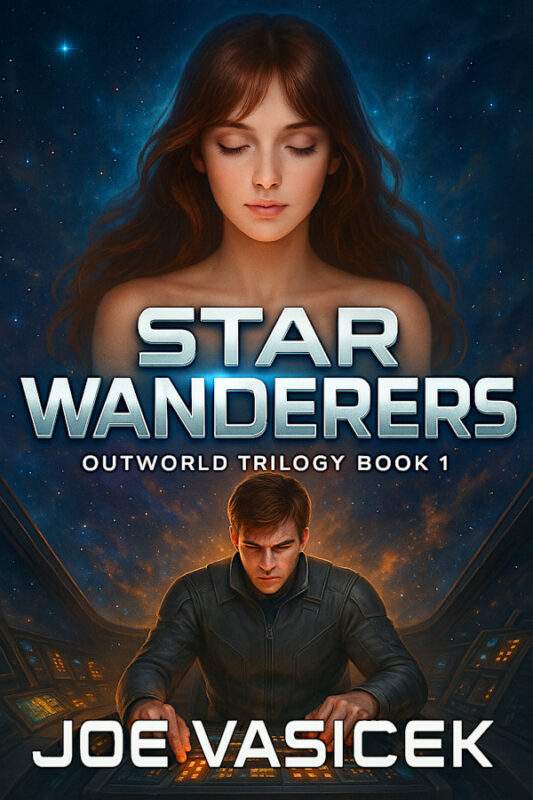
The Healing Power of Love in Star Wanderers

What heals a person when the universe won’t stop moving—when home is gone, language is чужой, and every port feels temporary? Star Wanderers is a character-driven science fiction novel built around a simple, stubborn hope: that the healing power of love isn’t just something you feel, but something you build—and that it can stitch a fractured life back together into belonging.

Where the Idea Came From

The seed of this theme came from two places. First, I wanted to take the love-story core of an old western (Jeremiah Johnson) and translate it into frontier science fiction—into a world where survival is hard, communities are fragile, and intimacy carries real risk.

Second, the story grew alongside my own life. I began writing the original novellas as a single young man during the Great Recession, pouring real loneliness into Jeremiah’s wandering. Years later, I finished the novel married and on the verge of fatherhood. That personal journey reshaped the book’s central idea: that love has the power to heal isolation—not by removing hardship, but by giving hardship meaning.

How the Healing Power of Love Shapes the Story

In Star Wanderers, the central conflict isn’t just pirates, frontier scarcity, or outworld politics—it’s the ache beneath all of that: the fear that drifting will hollow you out. Jeremiah begins the story as a lone starship pilot shaped by motion and isolation, surviving by staying unattached. But when Noemi enters his life, love becomes the force that redefines what “survival” even means. Commitment pulls him out of mere wandering and into responsibility: protecting someone else, learning someone else’s world, and choosing a future that requires roots instead of constant escape.

That healing love ripples outward through the story. Other characters see the difference it makes—because love creates an anchor in chaos. It becomes the standard by which temptation, loyalty, and trust are measured. Again and again, the story asks: what happens when you risk the one thing that’s keeping you whole? That’s why moments of fear, sacrifice, and moral choice matter so much here—not as plot mechanics, but as stress tests that reveal whether love is strong enough to carry a life.

What the Healing Power of Love Says About Us

This theme is hopeful, but it’s not naïve. It suggests that loneliness isn’t only a circumstance—it’s a wound—and that healing usually comes through commitment rather than convenience. Real love costs something: pride, independence, comfort, the illusion that you can keep yourself safe by staying separate. But it also gives back something many of us are quietly starving for: a place to belong, even when the world remains uncertain and unfinished.

Why This Theme Matters to Me

I keep returning to this theme because I’ve seen how easy it is to drift—emotionally, spiritually, socially—especially when life feels hostile or unstable. Star Wanderers is the most personal thing I’ve written in that sense: it begins in loneliness and ends in family. I wanted to capture that truth as honestly as I could—that love doesn’t magically remove hardship, but it can transform hardship into a life worth living, and an adventure you’re grateful to stay for.

Where to Get the Book

Related Posts and Pages

Explore the series index for The Outworld Trilogy.

Return to the book page for Star Wanderers.

Is Star Wanderers for You?

Star Wanderers is a character-driven frontier space opera and science fiction adventure about loneliness, love, and the search for home on the far edges of human civilization. It delivers a quiet, emotional adventure centered on wandering starship pilots and fragile outworld communities—less about conquering the stars and more about what it costs to keep moving when you don’t know where you belong.

What Kind of Reader Will Love Star Wanderers?

If you love…

  • frontier space opera with a lone-trader or wandering starship feel
  • character-driven science fiction focused on relationships, marriage, and family under pressure
  • stories where faith, conscience, and moral choice shape the action
  • found family science fiction set against danger, exile, and cultural collision
  • quieter, thoughtful adventures that balance tension with hope

…then Star Wanderers is probably your kind of story.

What You’ll Find Inside

Star Wanderers follows Jeremiah, an independent starship pilot drifting from port to port, whose life changes when he rescues a young woman from a dying frontier station and becomes entangled with her people, her faith, and her future. As pirates, famine, and outworld politics close in, the story explores loneliness, commitment, belief, and the cost of choosing to belong. The pacing blends reflective, intimate moments with sharp spikes of danger, resulting in a hopeful but hard-earned journey.

What Makes Star Wanderers Different

Rather than focusing on galaxy-spanning wars or elite soldiers, Star Wanderers centers on ordinary people trying to do the right thing in an unforgiving frontier. Romance, marriage, and faith aren’t side plots—they’re core engines of the story, shaping every major decision. The book treats technology and heroism pragmatically, favoring ingenuity, sacrifice, and cooperation over brute force or spectacle.

What You Won’t Find

This is not grimdark science fiction, nor is it nonstop military action. You won’t find cynical nihilism, endless explosions, or characters who survive purely on luck. Instead, the tension grows from moral choices, relationships under strain, and the consequences of standing your ground when running would be easier.

Why I Think You Might Love Star Wanderers

I put more of myself into Star Wanderers than almost anything else I’ve written. I began the story as a single young writer wrestling with loneliness and finished it while married and preparing for parenthood, and that journey shaped its heart. If you’re drawn to science fiction that treats love, faith, and responsibility as real forces—capable of both wounding and saving—I think this story will resonate with you.

Where to Get the Book

Related Posts and Pages

Explore the series index for the Outworld Trilogy.

Return to the book page for Star Wanderers.

Back into writing!

So we are more or less moved into our new (old) house, though there is this overdue kid’s book from the library that somehow got lost during the move, and we haven’t been able to find it… but aside from that, we are more or less settled in. Our five year-old has started kindergarten, my wife is starting her new job, and by the time this post goes live, we will have acquired office chairs from the BYU surplus sale, so I won’t have to be standing all the time like I am as I write this.

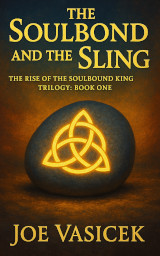
I’ve already gotten back into writing my epic fantasy, The Soulbond and the Sling, and am making steady progress on it again. The AI draft is about 66% complete, and it’s good enough that if I were writing it under a secret AI-only pen name, I would feel comfortable publishing it as-is. But my personal standard of quality is higher than that, especially for epic fantasy, so after the AI draft is complete, I will rewrite the whole thing without any AI, to put it in my own voice (and will probably add a whole lot of other stuff to it too—you know, the kind of setting and character details you’d expect in a proper epic fantasy, giving it much more depth).

(Also, as a side note, I do not have a secret AI-only pen name… though I must admit, a part of me kind of wants to start one. With a little bit of market research to figure out the pulpiest genres where I could really excel… but no, with two (soon to be three) small kids and a wife who works full-time, there are only so many projects I can work on at a time.)

I’m also working on The Road to New Jerusalem for my J.M. Wight pen name, though that one has been going much more slow. I really have no idea how much market appeal this one is going to have, and doubt it will do much more than help me to flesh out the world for a potential series in the same universe (a post-apocalyptic Mormon polygamist romance, which also probably has limited market appeal). However, I feel impressed that this is a book I need to see through to the end, so my goal is to finish it before October, at which point I will probably focus on The Soulbound King.

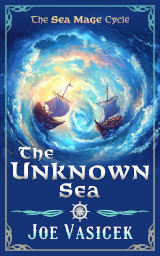
Beyond that, I’m also working on two other novels that I hope to finish before the end of the year (or, more realistically, sometime early next year, since I’m sure the new baby will throw things off for a while. The first is The Unknown Sea, a Sea Mage Cycle book, which is going to be a lot of fun. The rough AI draft is already done, and I had a real blast writing it.

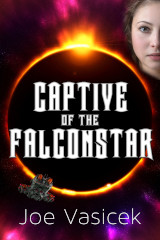
The other one is Captive of the Falconstar, the sequel to Queen of the Falconstar. The rough AI draft is also done for this one, but the revised AI draft is going to take a bit more work. Also, I need to redo the cover and blurb. But I’m really looking forward to getting this one out, and completing the trilogy, which has stood unfinished for nearly a decade now. Yes, I really need to finish these unfinished series, and fully intend to do so—not just with this one, but for all of them.

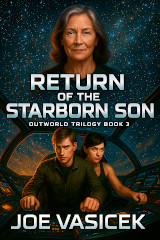
Over the next year, I hope to transition from being a science fiction writer who occasionally writes fantasy, to a fantasy writer who occasionally writes science fiction. My two big unfinished sci-fi series are the Falconstar Trilogy and the Outworld Trilogy. The plan right now is to finish Falconstar first, knocking out the last two books almost at the same time (the rough AI draft for Lord of the Falconstar is also complete), and then spend a little more time on Return of the Starborn Son to finish that trilogy strong. For a long time, Star Wanderers was my flagship series, so I want to do right by it. But I haven’t even outlined book 3 yet, so it’s going to be a while.

And when Return of the Starborn Son is done, I will probably release another volume of my author’s notes, since hey, why not? But that won’t be for a while—probably not until this time next year, at the absolute soonest. However, Return of the Starborn Son probably will come out before The Soulbond and the Sling, since for marketing reasons I don’t want to release an epic fantasy trilogy until all three books are ready to rapid release. And yes, I fully blame George R.R. Martin for conditioning epic fantasy readers not to try out a new series until it is complete. It is what it is.

So that’s the long-term plan. I will probably start a few new projects as well, including a relaunch of my Christopher Columbus stories, once I figure out what I want to do with that series. But for now, I’m just going to focus on The Road to New Jerusalem and The Soulbond and the Sling, until we are back into a new routine. BYU classes start on September 3rd, so it will probably be a little crazy until then. And the way things are shaping up, I half-expect they will induce my wife at the tail-end of September. So maybe we won’t actually get into a new routine until sometime next year. But either way, I’ll do my best to keep writing.

Five things I did at work last week

Last week, I:

  • Passed 28% of the rough human draft of Bloodfire Legacy,
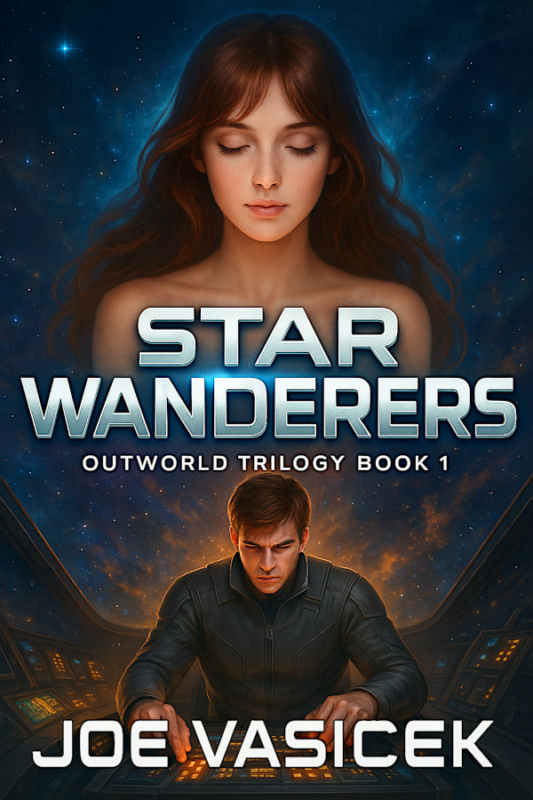
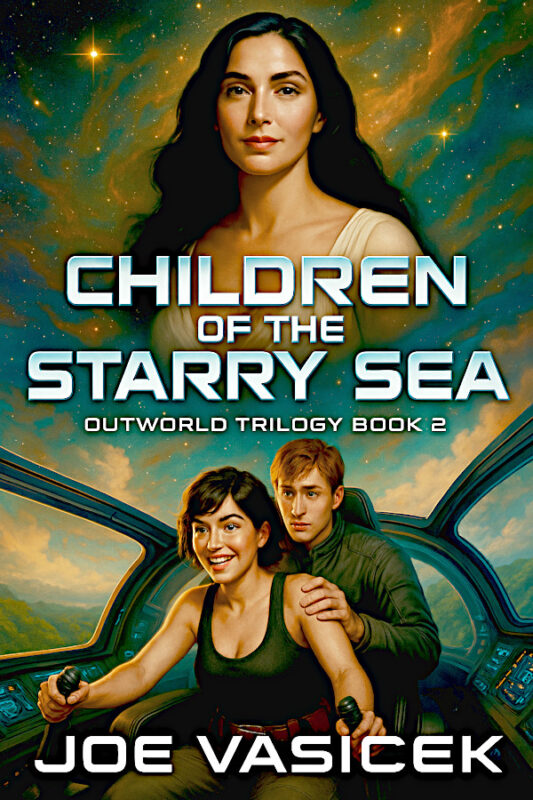
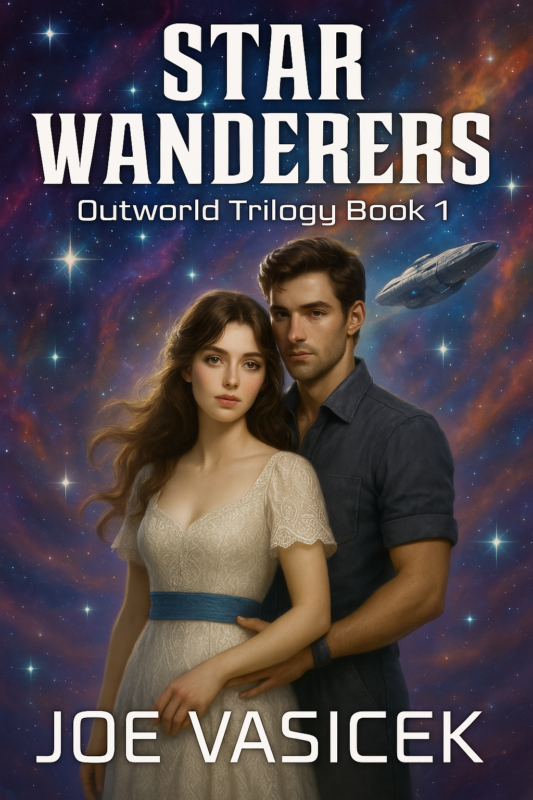
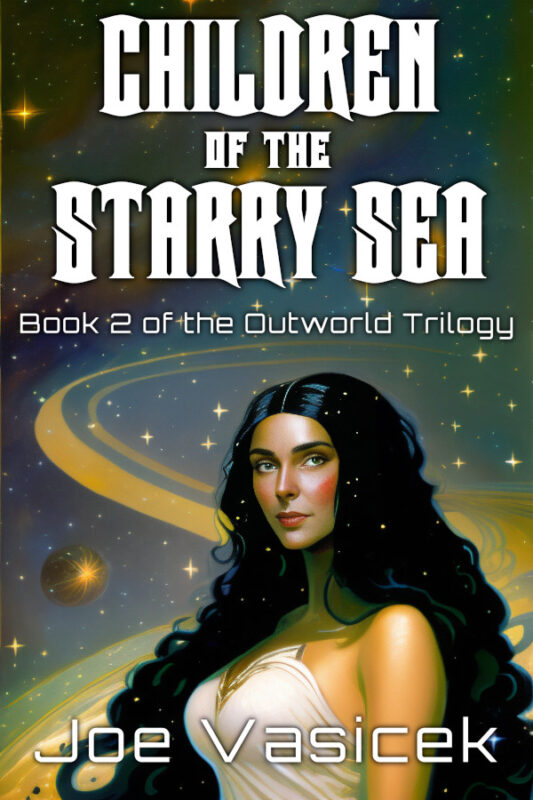
  • Generated new cover art for Star Wanderers and Children of the Starry Sea,
  • Reworked the book description for Stars of Blood and Glory,
  • Wrote and scheduled an email newsletter, and
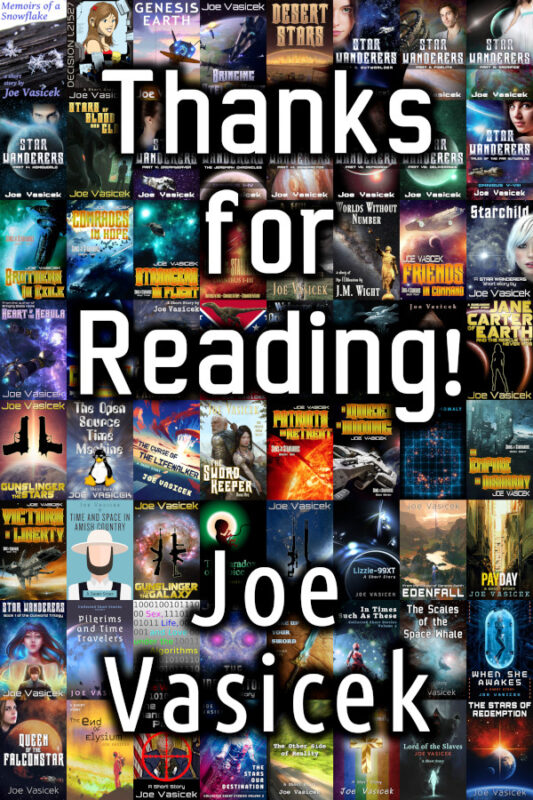
  • Published my first collection of author’s notes: Thanks for Reading!

What do you think of this cover redesign?

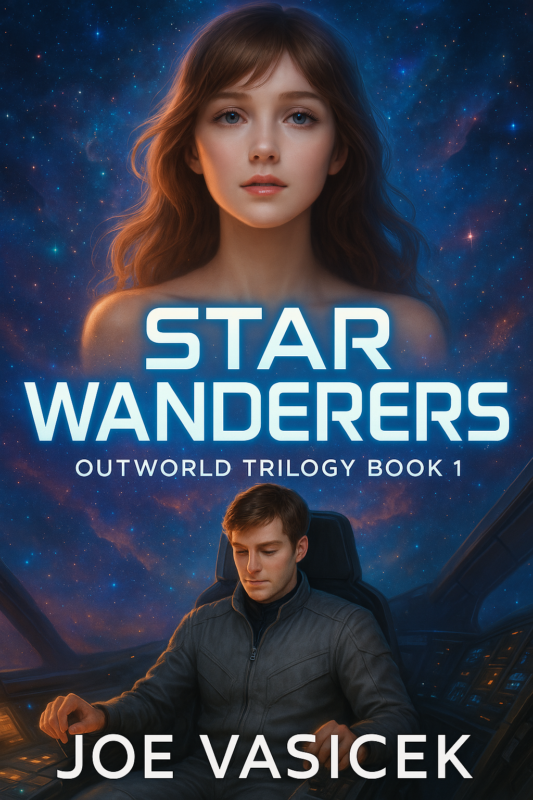
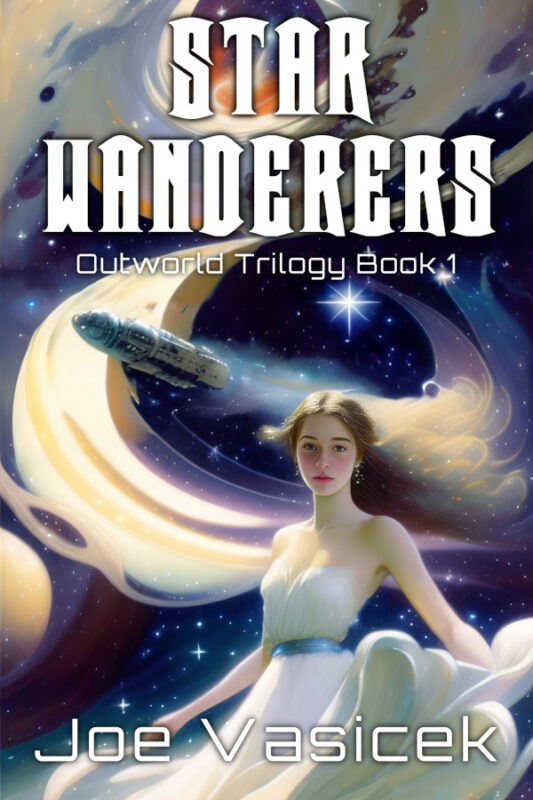
I’ve been playing around with ChatGPT’s new image generator, and I decided to toss in the cover for Star Wanderers and see what it could do. This is what I managed to come up with.

What do you think? I’ll play around with some more to see if I can get something better, but I do kind of like this one.

ETA: I think I like this one even better!

New Star Wanderers cover reveal!

Behold!

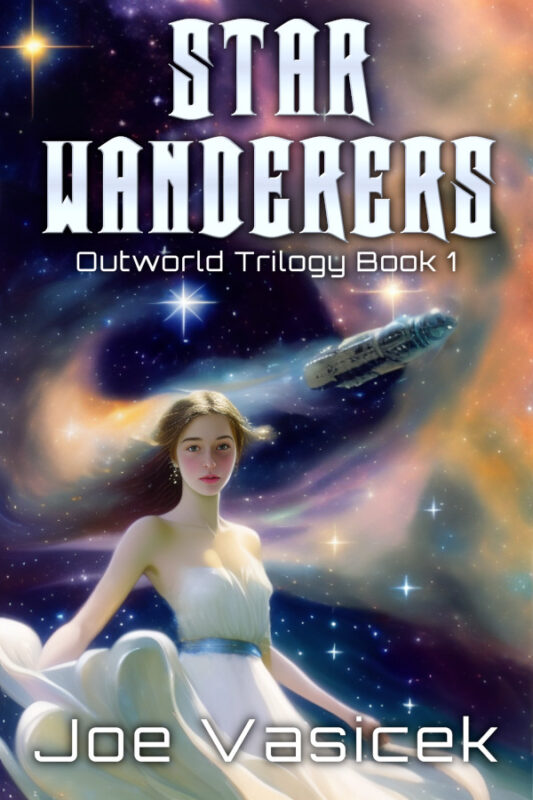
This is officially the new ebook cover for Star Wanderers. I’ve uploaded it to all platforms, though I haven’t updated the epub files yet. I’ll also update the paperbacks as soon as I have a chance, though that may take a while, especially with the new baby.

This image was AI generated using Stable Diffusion. It went through a lot of iterations, and can probably use some improvement, but this is the best I can do with the skills I currently have. Maybe a couple of years from now, after I’ve mastered the technology, I’ll make a new cover for this title. But I think this one is good enough to keep for a while.

Just for fun, here are some of the old covers:

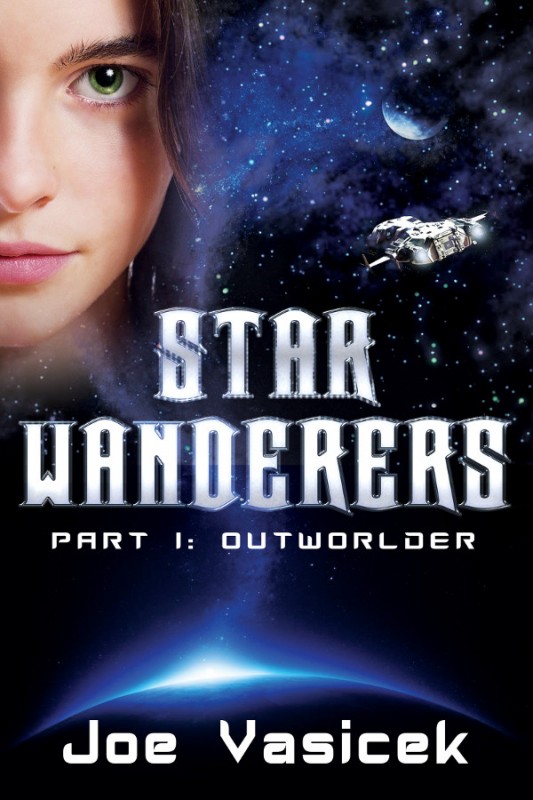
The original novel cover, which this latest one has replaced.

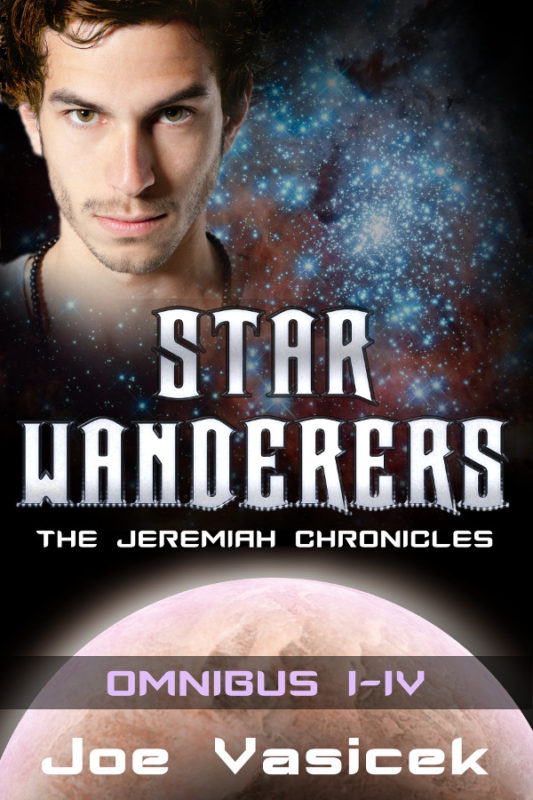
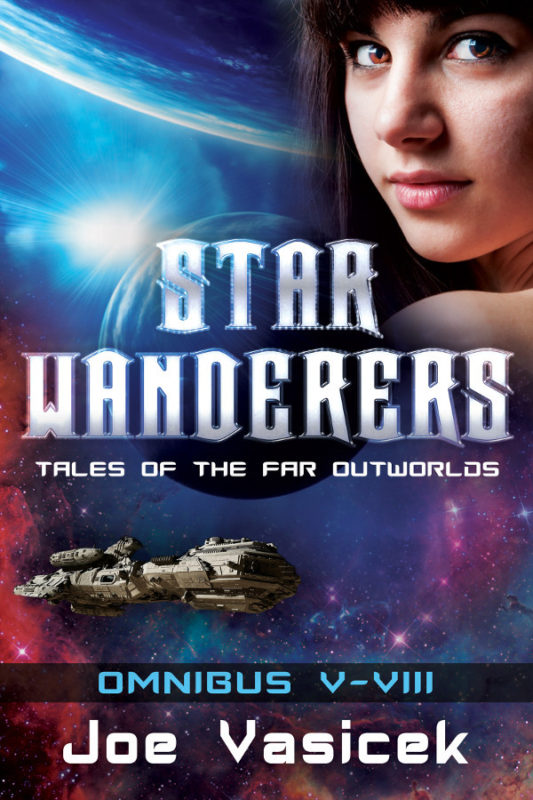
The second omnibus cover, from the novella series. The cover itself is by Libbie Grant, though the planet itself is a screenshot I took from Celestia.

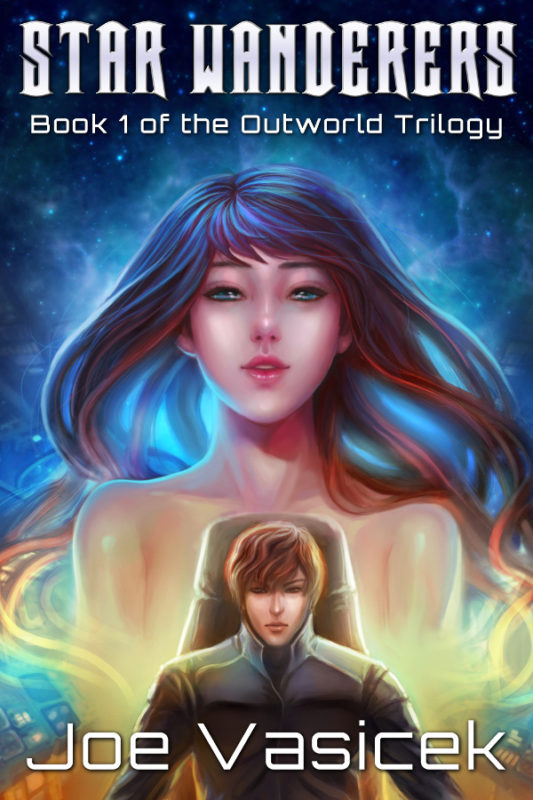
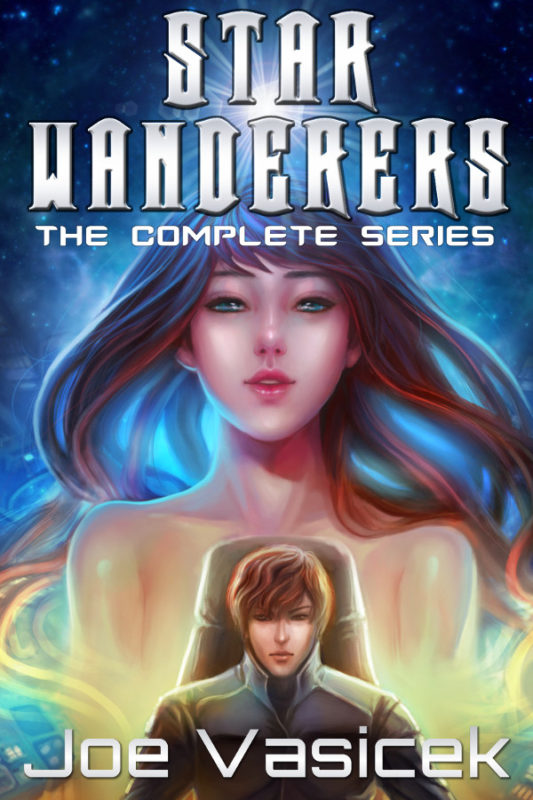
The art from the complete series omnibus, which replaced the first two omnibuses and was the immediate precursor to the novelization itself.

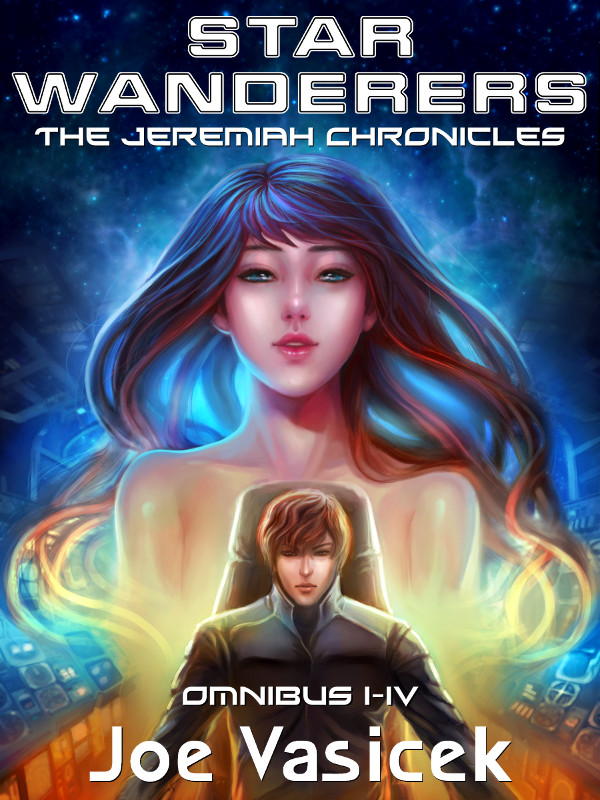
The original cover for the first omnibus. The art is by Ina Wong, who also did the current cover art for The Sword Keeper.

This is the original art for the second omnibus, by Derek Murphy.

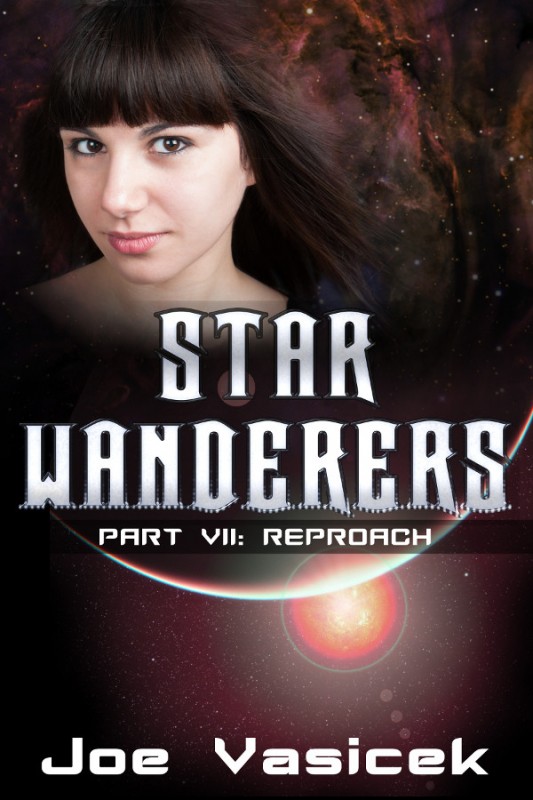
This is my personal favorite from the art by Libbie Grant. She did all eight novellas and both ominbus editions in this style.

This is the second cover for the original novelette. Derek saw my crappy self-made cover and offered to make me this one for free, so that he could showcase both of them in a before-and-after post on his blog. It worked out really well!

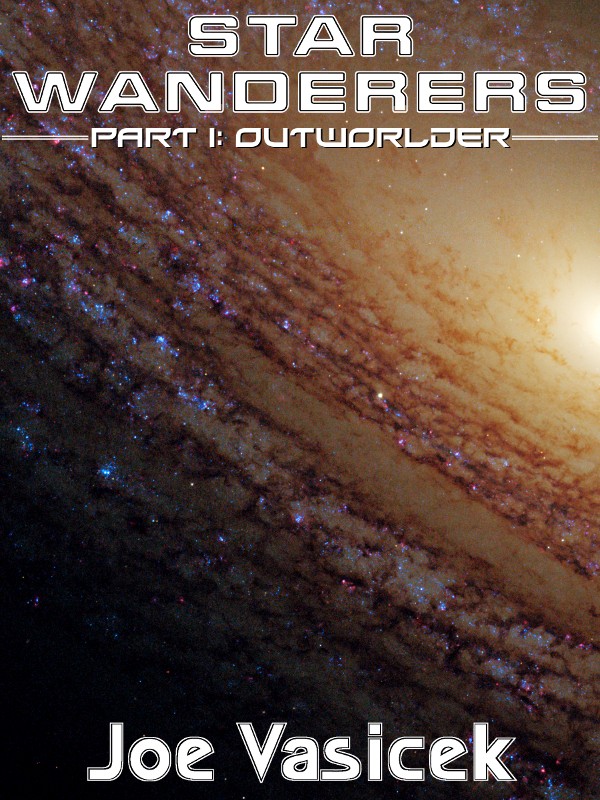
And this is the original ebook cover art for the first novelette that started it all. I had just launched Desert Stars, after draining my bank account to publish it since the kickstarter had failed (This was back in 2011, and I had no idea how to run a kickstarter—or how to profitably publish a book, for that matter). Since I didn’t want to spend another $900 to publish a full-length novel to the sound of crickets, I decided to turn my current WIP into a novella series, put them all out on a shoestring budget, and reinvest whatever money they earned into better editing and cover art.

The image is taken from NASA and is totally in the public domain, and I think the font is too, or at least it’s freeware of some kind. I put it together over the summer, when I was home from teaching English overseas in the Republic of Georgia. For this one, I think I used my desktop, but most of the other ones in this style were done on my tiny ASUS netbook with a screen the size of a postcard, in an old farmhouse in a tiny Georgian village at the foot of the Caucasus Mountains, which had no heating aside from the woodburning stove downstairs. The power would also frequently go out for hours at a time.

I wrote a bunch of the original novellas out there, in that tiny little Georgian village. And now, they’re all combined into one novel, which I’m turning into a trilogy right now! Just need to finish revising the second book, hopefully before that new baby comes. I should probably stop procrastinating.

New Star Wanderers cover mockup

So I’ve been playing around with Stable Diffusion, working on a new cover for Star Wanderers. This is what I came up with:

What do you guys think? And how does it compare with the cover mockup I did yesterday for Children of the Starry Sea?

…and now I should probably take a break from Stable Diffusion for a while. Need to get back to writing.