The Corrupting Power of Wealth in The Riches of Xulthar

What happens when treasure is not just dangerous, but spiritually corrupting? In The Riches of Xulthar, the lost city’s legendary wealth promises restoration, justice, power, and freedom—but every coin carries a curse. This standalone sword-and-sorcery fantasy adventure asks whether cursed treasure can ever be used for righteous ends, or whether some forms of wealth must be rejected before they turn heroes into monsters.

Where the Idea Came From

The Riches of Xulthar began as an experiment in AI-assisted storytelling: a fantasy adventure story in the style of Robert E. Howard. But to make it different from a generic AI story, I added this theme and used it to shape the story. From that, the story grew into a full novel about a fallen nobleman, a freed slave, a ruined desert city, and a treasure that corrupts everyone who seeks to possess it. As I developed the story through outlining, drafting, humanizing, and revision, the cursed wealth of Xulthar became more than just a sword-and-sorcery adventure hook—it became the moral heart of the book.

How the Corrupting Power of Wealth Shapes the Story

The world of The Riches of Xulthar has already been broken by plague, famine, war, and collapse. Into that shattered world comes the coin of Xulthar, which appears at first to restore trade and stability. But the coin is cursed: it slips away from honest farmers, tradesmen, and laborers, while multiplying in the hands of corrupt princes, dishonest merchants, slavers, and men who grow rich through exploitation. In other words, the wealth of Xulthar does not merely reveal greed—it rewards it.

That curse is personal for Roderick of House Valtan. His father lost everything for speaking the truth about the coin, and Roderick seeks the lost city because he believes its treasure can restore his family’s honor. That makes his temptation more dangerous than simple greed. He does not want riches merely for pleasure or indulgence. He wants them for justice, restoration, and noble purpose. He imagines all the good he could do with Xulthar’s wealth: rebuild his house, right old wrongs, and even free the enslaved. But the deeper horror of Xulthar is that cursed wealth can twist even righteous desires into chains.

The Dark King embodies that corruption. He thinks he rules Xulthar’s treasure, but in the end, he is also enslaved by it. The final test of the book is not whether Roderick can defeat the Dark King in battle, but whether he can refuse the treasure afterward. In many fantasy adventure stories, the hero wins the hoard as his reward. In The Riches of Xulthar, the hoard is the final enemy. Roderick’s true victory comes when he rejects the riches entirely, breaking the illusion that cursed power can ever restore true honor.

What the Corrupting Power of Wealth Says About Us

The danger of wealth is not only that it makes people greedy. The deeper danger is that it gives greed a language of virtue. Wealth can promise safety, influence, justice, independence, even charity. It can whisper that the world would be better if only the right person held enough power. But The Riches of Xulthar suggests that no treasure built on corruption can produce freedom, no matter how noble the intention. True riches are found not in gold, rank, or conquest, but in love freely given, honest labor, family, peace, and the courage to walk away from power that would destroy the soul.

Why This Theme Matters to Me

When I wrote The Riches of Xulthar, I was also thinking a lot about creativity, technology, ownership, and what makes a story truly human. In a way, that connects directly to the theme of cursed wealth. Tools, power, money, and technology are not evil by themselves, but they become dangerous when we let them own us. For me, the heart of this book is Roderick’s final choice: to refuse the treasure, keep his soul, and build something honest with the woman he loves.

Where to Get the Book

Related Posts and Pages

Explore my other standalone books here.

Return to the book page for The Riches of Xulthar.

Is Lord of the Slaves For You?

Is Lord of the Slaves for You?

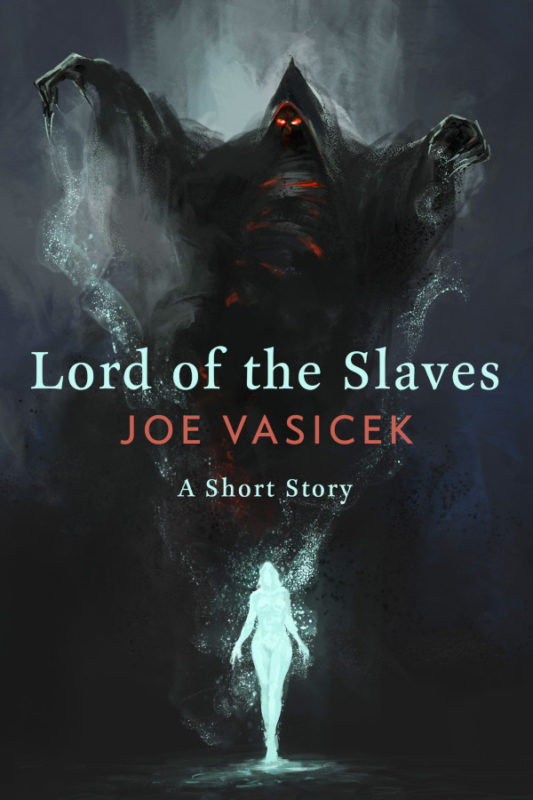
Lord of the Slaves is a fast-paced heroic fantasy novelette about a young woman risking everything to rescue her sister from a coastal stronghold ruled by slavers. It delivers sword-and-sorcery action, dungeon infiltration, desperate escapes, enchanted weapons, and moral questions about freedom, courage, trust, and responsibility.

What Kind of Reader Will Love Lord of the Slaves?

If you love…

  • Heroic fantasy about ordinary people finding the courage to stand against evil
  • Rescue missions, prison breaks, secret passages, coastal strongholds, and desperate last-minute escapes
  • Sword-and-sorcery adventure with enchanted blades, hedge knights, slavers, spies, and dangerous magic lurking in the background
  • Stories about freedom, loyalty, trust, and the cost of refusing to submit
  • Female protagonists who are frightened, wounded, angry, and still brave enough to act

…then Lord of the Slaves is probably your kind of story.

What You’ll Find Inside

Lord of the Slaves follows Tamara, a young hunter who has joined a band of wandering hedge knights in order to rescue her sister Theodora from a brutal slave lord. What begins as an infiltration mission quickly becomes a test of courage and trust, as Tamara must decide who she can rely on, what she is willing to risk, and whether freedom is worth fighting for even when others have lost the will to fight. The result is a tense, action-driven fantasy adventure with a strong emotional core, a hopeful heroic spirit, and a sharp thematic edge.

What Makes It Different

Fans of classic sword-and-sorcery adventure will recognize the fortified stronghold, the corrupt lord, the dungeon escape, the enchanted sword, and the desperate fight against impossible odds. But Lord of the Slaves takes those familiar fantasy ingredients and grounds them in Tamara’s personal struggle to save her sister and reclaim her own agency. Where many heroic fantasy stories focus mainly on battle and revenge, this one leans into the moral conflict between freedom and security, love and bondage, trust and manipulation. It has the pace and danger of a rescue adventure, but the emotional center is Tamara learning to stand as an equal rather than a pawn in someone else’s plan.

What You Won’t Find

If you’re looking for grimdark cynicism, morally empty violence, or a fantasy world where everyone is corrupt and hope is foolish, this probably isn’t that. The story does include danger, brutality, slavery, and implied threats from evil men, but it is ultimately a heroic fantasy story about courage, loyalty, and refusing to be broken. If you prefer fantasy that treats freedom, love, and moral courage as things worth fighting for, you’ll feel right at home.

Why I Think You Might Love It

At its heart, Lord of the Slaves is about the conflict between freedom and security—and the uncomfortable truth that freedom always comes with responsibility. I wrote this story to explore what happens when that conflict becomes personal: when one sister risks everything for another, when a frightened prisoner has to choose action over safety, and when trust has to be earned instead of assumed. What I love about Tamara’s journey is that she doesn’t become brave because she stops being afraid; she becomes brave because love gives her something worth being afraid for.

Where To Get It

Related Posts and Pages

Explore my other standalone books here.

Return to the book page for Lord of the Slaves.

Is A Hill on Which to Die For You?

Is A Hill on Which to Die for you?

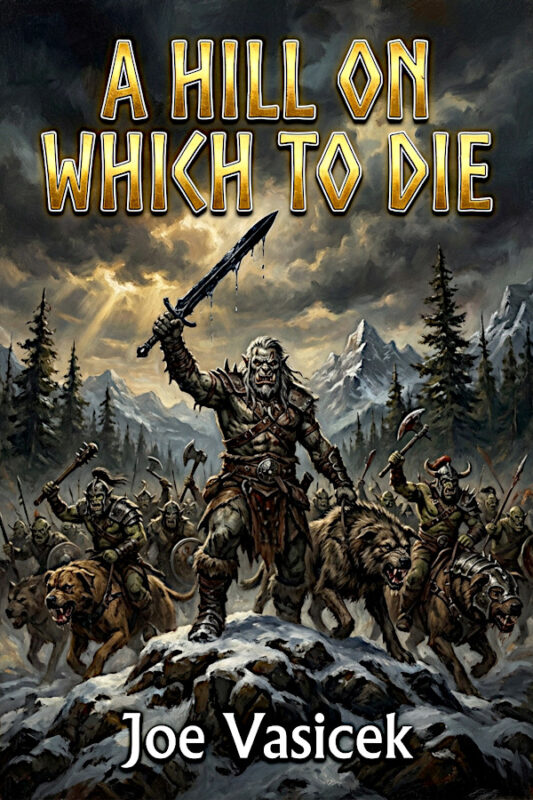
A Hill on Which to Die is a gritty, violent fantasy story about an aging orc war chief who must decide, again and again, which battles are worth fighting and which hills are worth dying on. It delivers a hard-edged tale of leadership, pride, survival, clan loyalty, and tragic decline, told from inside the brutal moral world of orcs rather than from the viewpoint of the heroes who usually fight them.

What Kind of Reader Will Love This Book?

If you like…

  • Dark, gritty fantasy told from the perspective of monsters, raiders, war chiefs, and morally brutal antiheroes
  • Orc-centered fantasy stories about clan politics, leadership challenges, duels, exile, survival, and tribal loyalty
  • David Gemmell-style heroic fantasy with raw violence, tragic masculinity, battlefield honor, and aging warriors facing their last stand
  • Stories where the central question is not “How do we defeat evil?” but “What is worth sacrificing everything for?”
  • Compact fantasy tales that feel like the seed of a larger epic world, with dwarven ruins, dragons, rival clans, and a rising Witch-King in the background

…then A Hill on Which to Die is probably your kind of story.

What You’ll Find Inside

A Hill on Which to Die follows Garak-Nur, an old orc war chief whose clan is threatened not by battlefield defeat, but by ambition, seduction, pride, and the promise of power from a rising Witch-King. As Garak leads his loyal followers into exile and tries to found the new Black Pine Clan, the story explores leadership under pressure, the cost of pride, the fragility of loyalty, and the brutal logic of a warrior culture built on strength. The result is a fast-moving, grim, muscular fantasy story with tragic weight, savage humor, and the feel of an orcish legend told around a fire.

What Makes It Different

Fans of David Gemmell will recognize the emphasis on aging warriors, violent honor, impossible choices, and the grim dignity of a fighter who knows his end is coming. But A Hill on Which to Die takes those heroic fantasy instincts in a darker and stranger direction by placing them inside an orc clan whose values are brutal, alien, and often horrifying. Where many fantasy stories use orcs as faceless enemies, this one makes an orc war chief the central figure and asks readers to understand his courage, failures, loyalties, and blind spots without pretending that he is good. It is not a clean redemption story; it is a tragic fantasy tale about leadership, decline, and the terrible difference between dying well and living too long in power.

What You Won’t Find

If you’re looking for noblebright fantasy, clean heroism, gentle adventure, or a traditional good-versus-evil quest, this probably isn’t that. This story contains brutal violence, savage orc culture, sexual content, and sexual violence, though it is not written as explicit romance or erotic fantasy. But if you want a grim, compact, character-driven fantasy story that takes monster culture seriously and uses it to explore power, pride, loyalty, and mortality, you’ll feel right at home.

Why I Think You Might Love It

The idea for this story came from a simple question: “Is this the hill on which you want to die?” That question became the spine of Garak-Nur’s entire journey. Every major choice he makes forces him to weigh pride against survival, strength against wisdom, and personal authority against the future of his clan. What makes the story linger is that Garak is not admirable in any simple sense, but he is vivid, forceful, and tragically understandable. He belongs to a violent world, and he cannot escape the logic of that world—but he can still choose where to stand, what to defend, and when the hill before him is finally the right one.

Where To Get It

Related Posts and Pages

Explore my other standalone books here.

Return to the book page for A Hill On Which To Die.
Is The Riches of Xulthar For You?

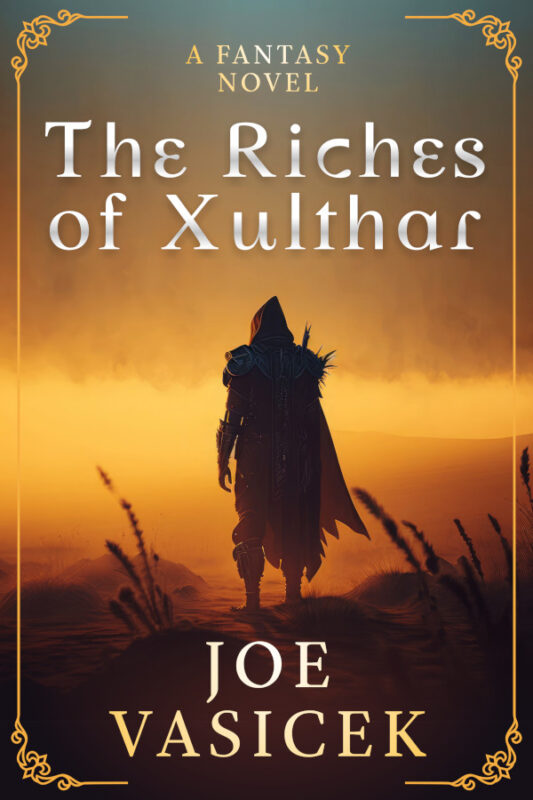
The Riches of Xulthar is a sword-and-sorcery desert adventure about a fallen nobleman, a freed slave woman, and a legendary lost city whose treasure may be more curse than blessing. It delivers a fast-moving heroic fantasy quest with cursed coin, dark sorcery, ruined temples, undead servants, moral temptation, and a slow-burning bond between two wounded people learning what freedom really means.

What Kind of Reader Will Love The Riches of Xulthar?

If you love classic sword-and-sorcery adventures with lost cities, cursed treasure, desert ruins, dark kings, monster-haunted catacombs, and heroes who have to fight both outward evil and inward temptation, then The Riches of Xulthar is probably your kind of story.

If you enjoy fantasy about honor, freedom, slavery, moral courage, and the corrupting power of wealth, this story gives those themes a mythic adventure shape: a dangerous quest across the wastes, a cursed city at the end of the road, and two protagonists who must decide what they are truly willing to serve.

If you like romantic fantasy where the emotional bond grows out of danger, trust, sacrifice, and shared moral struggle, Roderick and Laria’s journey gives the story a strong character-driven heart beneath the sword fights and sorcery.

If you enjoy fantasy that feels old-school in its adventure structure but more intimate in its emotional focus, The Riches of Xulthar blends pulp adventure, moral fantasy, and redemptive romance into a compact, high-stakes quest.

What You’ll Find Inside

Roderick is a disgraced nobleman seeking the lost city of Xulthar in the hope of breaking the curse that destroyed his family’s honor. Along the way, he rescues Laria, a slave woman who has never truly owned anything—not even herself—and their journey through the desert becomes as much about freedom, agency, and love as it is about cursed treasure and dark magic. The tone is adventurous, mythic, sensual, and morally serious, with fast-paced action, eerie ruins, dangerous supernatural encounters, and a hopeful emotional arc beneath the darkness.

What Makes The Riches of Xulthar Different

Readers who enjoy Robert E. Howard-style lost-city adventure, classic sword-and-sorcery quests, and treasure-hunting fantasy will recognize the familiar pleasures: desert wastes, ancient ruins, sorcerous kings, monster-haunted temples, and a warrior with a sword in his hand. But The Riches of Xulthar turns the treasure quest inward by asking whether wealth can ever restore honor, whether freedom is worth its burden, and whether a man can reject the very prize he set out to claim. Unlike many old-school sword-and-sorcery stories, the female lead is not merely a prize, temptation, or rescued captive; Laria’s moral insight and growing agency become essential to the heart of the story. The result is a heroic fantasy adventure that uses the lost-city quest to explore slavery, self-mastery, family, corruption, and the kind of love that makes freedom meaningful.

What You Won’t Find

You won’t find a sprawling epic fantasy cast, court intrigue, or a heavily political worldbuilding saga; this is a focused sword-and-sorcery quest built around two central characters and one cursed destination. You also won’t find nihilistic grimdark: the story contains violence, slavery, sensual temptation, dark magic, and peril, but its moral center remains hopeful. This is not a sanitized cozy fantasy, but neither is it cynical or despairing.

Why I Think You Might Love It

What I love about The Riches of Xulthar is that it takes the classic fantasy question—“What if the treasure is cursed?”—and makes it personal. Like Queen of the Falconstar, this is a story about power, agency, and a woman learning to stand in a world that wants to use her, but here that struggle is filtered through mythic sword-and-sorcery rather than space opera. Roderick’s quest begins as a search for wealth and restored honor, but the real treasure is the freedom he and Laria learn to choose together: freedom from slavery, freedom from despair, freedom from the lies of cursed power, and freedom to build a new life out of the ruins of the old one.

Where to Get the Book

Related Posts and Pages

Explore my other standalone books here.

Return to the book page for The Riches of Xulthar.

Is The Sword Keeper for You?

The Sword Keeper is a coming-of-age epic fantasy about a village tavern girl chosen by an ancient sentient sword to stand against a rising empire of corrupted blades, dark mages, and enslaving powers. It delivers a classic quest-fantasy experience with mountain passes, warrior monks, sword training, prophecy, friendship, danger, and a young heroine slowly learning that wisdom matters as much as strength.

What Kind of Reader Will Love The Sword Keeper?

If you love…

  • classic epic fantasy quests with ancient prophecies, enchanted swords, lost orders, and rising dark empires
  • young heroines who start ordinary, frightened, and untrained, then grow into courage and command
  • sentient magical weapons with personality, memory, moral purpose, and ancient secrets
  • friendship-driven fantasy where loyalty, sacrifice, and trust matter as much as battle skill
  • mountain settings, old fortresses, warrior cultures, road journeys, and a sense of mythic history

…then The Sword Keeper is probably your kind of story.

What You’ll Find Inside

Tamuna Leladze is a curious tavern girl from the mountain kingdom of Kutaisa whose life changes when she touches Imeris, the twelfth and final enchanted sword of an ancient order. Suddenly bonded to a blade that can speak into her mind, share the memories of past bearers, and train her for a war she never asked for, Tamuna is forced to flee her home with Nika, her loyal childhood friend, and Alex, a proud warrior monk who resents that the sword chose her instead of him. The story is adventurous, earnest, and emotionally sincere, with fast-moving escapes, training sequences, strategic lessons, battlefield danger, and a hopeful but serious tone.

What Makes The Sword Keeper Different

Readers who enjoy the chosen-one structure of classic fantasy will find familiar pleasures here: a humble protagonist, a sacred weapon, a broken order, and a shadowy enemy moving across the map. But The Sword Keeper stands apart by making the sword itself one of the central characters, not just a magical object or symbol of power. Imeris is teacher, mentor, conscience, strategist, and ancient witness, while Tamuna’s growth depends less on becoming physically unstoppable and more on learning judgment, courage, leadership, and self-command. The setting also draws heavily from the Caucasus and the Republic of Georgia, giving the mountain villages, dances, names, roads, food, and landscapes a flavor that feels distinct from more familiar medieval-Western fantasy worlds.

What You Won’t Find

This is not grimdark fantasy, and it is not a cynical deconstruction of the chosen-one story. Readers looking for morally gray nihilism, graphic sensuality, or a story where everyone is corrupt may not find what they are looking for here. The violence and danger are real, but the heart of the book is earnest, heroic, and fundamentally hopeful.

Why I Think You Might Love It

I wrote The Sword Keeper out of my love for stories where ordinary people are called to become more than they ever imagined. Much of the world building grew out of my time teaching English in the Republic of Georgia: the city of Kutaisa, the mountain pass, the dancing, the family names, the backcountry details, and even small moments like Nika caring for the weakest chick in a brood all came from things I saw or experienced firsthand. I think that gives the story a lived-in texture beneath the fantasy adventure—a sense that Tamuna’s world is not just a backdrop, but a place worth saving.

Where to Get the Book

Related Posts and Pages

Explore the series index for The Twelfth Sword Trilogy.

Return to the book page for The Sword Keeper.

Is The Winds of Desolation for You?

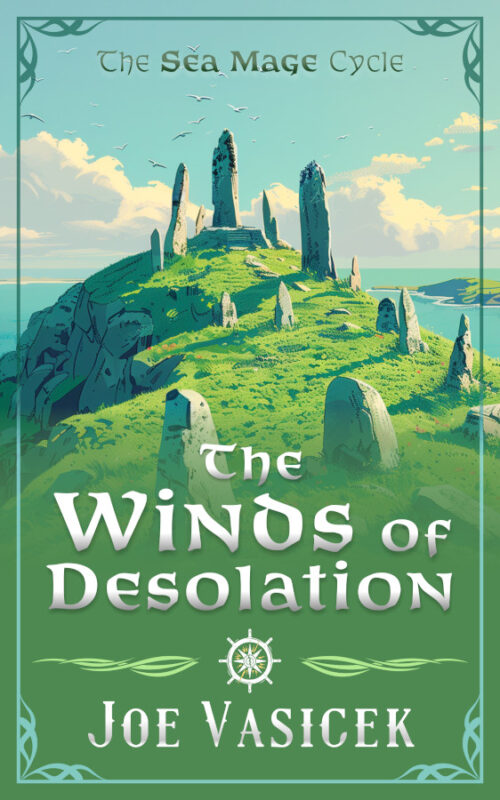
The Winds of Desolation is a survival fantasy adventure about a small band of travelers stranded in a cursed land where the wilderness itself seems determined to destroy them. Shipwrecked far from civilization and hunted by enemies who control the fate of the land, they must rely on courage, magic, and loyalty to survive. The result is a tense journey across a dangerous landscape where every decision matters.

What Kind of Reader Will Love This Book?

f you love…

  • fantasy survival stories about characters stranded in hostile lands
  • classic quest adventures with magic, ancient prophecies, and cursed places
  • small groups of companions relying on loyalty, courage, and cleverness to survive
  • wilderness journeys across strange and dangerous landscapes
  • character-driven fantasy with teamwork, sacrifice, and high stakes

…then The Winds of Desolation is probably your kind of story.

What You’ll Find Inside

The Winds of Desolation follows Alex, a young sea mage who survives a deadly storm only to find himself stranded with his companions in the infamous Lands of Desolation—a cursed wilderness where few who enter ever return. With their captain dead, their supplies nearly gone, and their most powerful ally mysteriously incapacitated, the group must cross hostile territory while evading enemies who seek to control the land’s ancient magic. The story blends tense survival, exploration, and magical intrigue, creating a fast-moving adventure that feels both gritty and hopeful.

What Makes It Different

Fans of classic quest fantasy will recognize familiar elements—dangerous landscapes, powerful magic, and a group of companions working together to overcome impossible odds. But The Winds of Desolation leans heavily into the survival aspect of the journey. Instead of a large army or powerful kingdom, the story focuses on a handful of characters struggling to survive in a cursed wilderness while unraveling the mysteries behind it. The result is a fantasy adventure where the landscape itself becomes one of the story’s most dangerous characters.

What You Won’t Find

This is not grimdark fantasy built around cynicism or relentless brutality. While the story contains danger and loss, it ultimately focuses on courage, friendship, and perseverance. Readers looking for heavy political intrigue or court drama may also find that the story keeps its attention firmly on adventure, exploration, and survival.

Why I Think You Might Love It

I’ve always been fascinated by stories where ordinary people are forced into extraordinary situations and must rely on each other to survive. The heart of this book is that kind of journey: a small group of companions facing fear, uncertainty, and impossible odds while trying to do the right thing. Stories like this remind me that courage doesn’t come from power or destiny—it comes from choosing, again and again, to stand by the people who need you.

Where to Get the Book

Related Posts and Pages

Explore the series index for The Sea Mage Cycle.

Return to the book page for The Winds of Desolation.