Is Lord of the Slaves For You?

Is Lord of the Slaves for You?

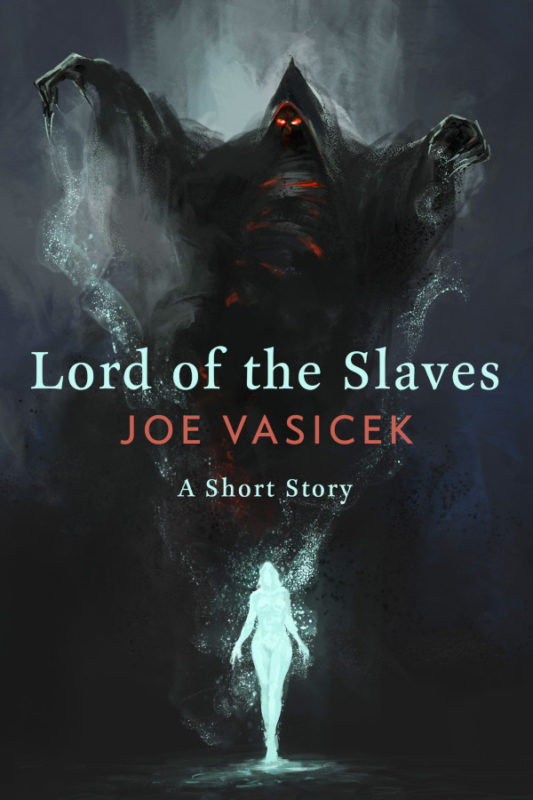
Lord of the Slaves is a fast-paced heroic fantasy novelette about a young woman risking everything to rescue her sister from a coastal stronghold ruled by slavers. It delivers sword-and-sorcery action, dungeon infiltration, desperate escapes, enchanted weapons, and moral questions about freedom, courage, trust, and responsibility.

What Kind of Reader Will Love Lord of the Slaves?

If you love…

  • Heroic fantasy about ordinary people finding the courage to stand against evil
  • Rescue missions, prison breaks, secret passages, coastal strongholds, and desperate last-minute escapes
  • Sword-and-sorcery adventure with enchanted blades, hedge knights, slavers, spies, and dangerous magic lurking in the background
  • Stories about freedom, loyalty, trust, and the cost of refusing to submit
  • Female protagonists who are frightened, wounded, angry, and still brave enough to act

…then Lord of the Slaves is probably your kind of story.

What You’ll Find Inside

Lord of the Slaves follows Tamara, a young hunter who has joined a band of wandering hedge knights in order to rescue her sister Theodora from a brutal slave lord. What begins as an infiltration mission quickly becomes a test of courage and trust, as Tamara must decide who she can rely on, what she is willing to risk, and whether freedom is worth fighting for even when others have lost the will to fight. The result is a tense, action-driven fantasy adventure with a strong emotional core, a hopeful heroic spirit, and a sharp thematic edge.

What Makes It Different

Fans of classic sword-and-sorcery adventure will recognize the fortified stronghold, the corrupt lord, the dungeon escape, the enchanted sword, and the desperate fight against impossible odds. But Lord of the Slaves takes those familiar fantasy ingredients and grounds them in Tamara’s personal struggle to save her sister and reclaim her own agency. Where many heroic fantasy stories focus mainly on battle and revenge, this one leans into the moral conflict between freedom and security, love and bondage, trust and manipulation. It has the pace and danger of a rescue adventure, but the emotional center is Tamara learning to stand as an equal rather than a pawn in someone else’s plan.

What You Won’t Find

If you’re looking for grimdark cynicism, morally empty violence, or a fantasy world where everyone is corrupt and hope is foolish, this probably isn’t that. The story does include danger, brutality, slavery, and implied threats from evil men, but it is ultimately a heroic fantasy story about courage, loyalty, and refusing to be broken. If you prefer fantasy that treats freedom, love, and moral courage as things worth fighting for, you’ll feel right at home.

Why I Think You Might Love It

At its heart, Lord of the Slaves is about the conflict between freedom and security—and the uncomfortable truth that freedom always comes with responsibility. I wrote this story to explore what happens when that conflict becomes personal: when one sister risks everything for another, when a frightened prisoner has to choose action over safety, and when trust has to be earned instead of assumed. What I love about Tamara’s journey is that she doesn’t become brave because she stops being afraid; she becomes brave because love gives her something worth being afraid for.

Where To Get It

Related Posts and Pages

Explore my other standalone books here.

Return to the book page for Lord of the Slaves.

Agency Under Tyranny in Bringing Stella Home

Bringing Stella Home is a character-driven military science fiction novel that asks a deceptively simple question: what does it mean to have agency when freedom has already been taken away? In a universe shaped by conquest and domination, the novel explores whether choice still matters when the best options have been stripped away. Rather than framing agency as escape or rebellion, the story focuses on the quieter, harder work of choosing who you will be under tyranny. Rather than centering on battles or political intrigue, the story is driven by character choices and moral tension within a military science fiction setting.

Where the Idea Came From

This theme grew directly out of my fears as an older brother. Growing up, I was deeply protective of my younger sisters, and the idea of not being able to save the people I love has always terrified me. That pushed the story away from a simple rescue narrative and toward a deeper exploration of agency, responsibility, and moral choice under tyranny.

How Agency Under Tyranny Shapes the Story

Stella’s storyline is where this theme takes its clearest form. Captured by the Hameji and absorbed into a system built on hierarchy, conquest, and dehumanization, she loses nearly every form of conventional freedom. She cannot leave. She cannot reshape the system that controls her. And yet, the novel insists that her choices still matter. Her agency survives not through open defiance, but through the moral boundaries she maintains, even when compliance would make her life easier or safer.

James’s journey reflects a different facet of the same theme. His actions are driven by loyalty, love, and a desire to restore what has been lost, but the story steadily challenges the idea that agency means control or correction. As events unfold, he is forced to confront the reality that respecting another person’s agency—especially under tyranny—may require restraint, humility, and the willingness to accept choices he cannot fully understand or direct.

What Agency Under Tyranny Says About Us

The theme of agency under tyranny speaks to a difficult truth about human nature: we do not always choose our circumstances, but we remain responsible for who we become within them. Tyranny works by narrowing choices until obedience feels inevitable, offering safety or comfort in exchange for moral surrender. Bringing Stella Home suggests that agency persists even in constrained forms, and that the decisions people make under pressure—often unseen and uncelebrated—still shape their identity, integrity, and future. This is a story for readers who are less interested in easy victories than in moral resilience, responsibility, and the cost of choosing well.

Why This Theme Matters to Me

I care about this theme because it reflects how life often actually works. We don’t always get clean victories or heroic options. Sometimes we are forced to live inside broken systems, painful relationships, or irreversible losses. Writing Bringing Stella Home was my way of wrestling with the belief that dignity, responsibility, and moral choice still matter—even when the world refuses to be fair, and even when doing the right thing doesn’t lead to the outcome we might hope for.

Where to Get the Book

Related Posts and Pages

Explore the series index for The Hameji Cycle.

Return to the book page for Bringing Stella Home.







