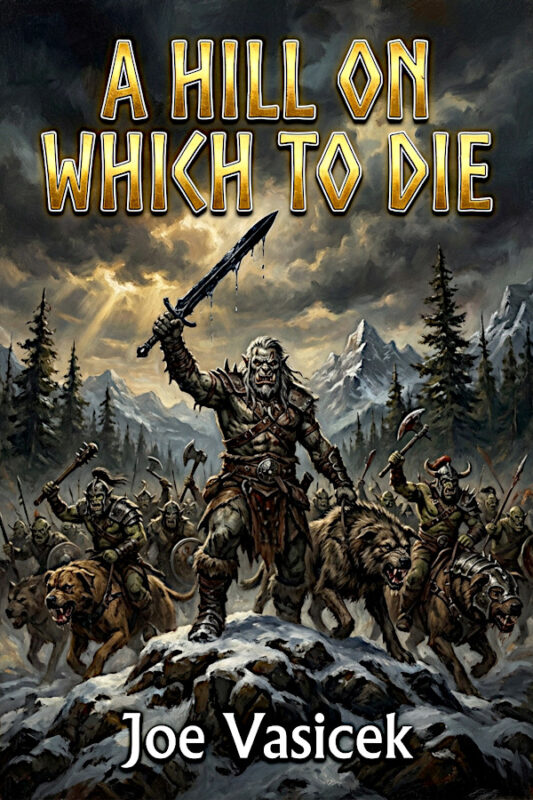
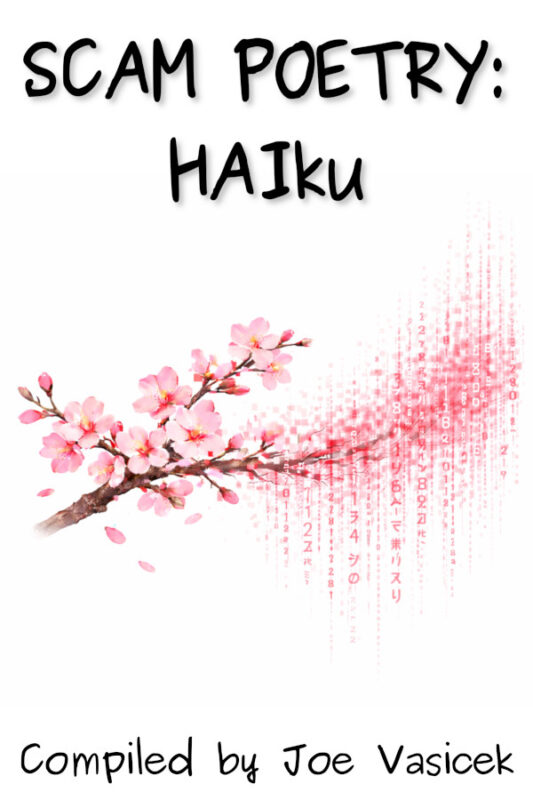
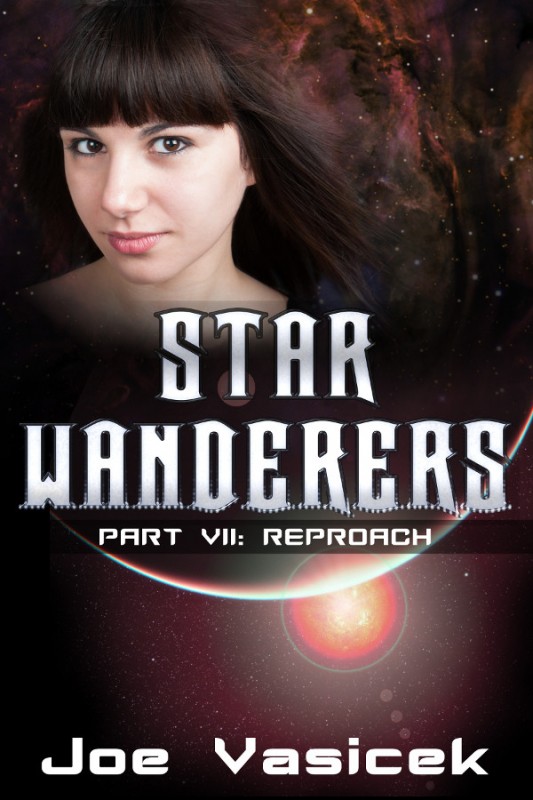
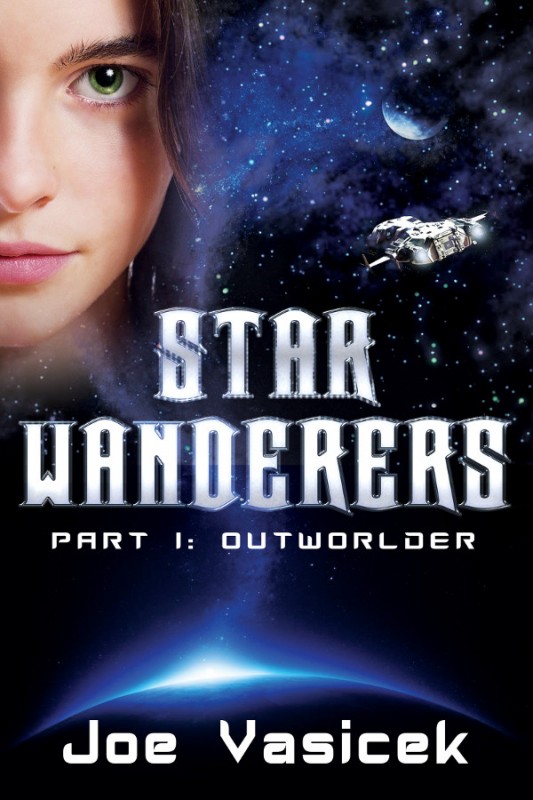
I recently signed up for Thomas Umstattd Jr.’s Patreon, which has given me access to all of the amazing AI tools for authors that he’s been building. One of them is a super slick cover generator. I’ve been planning to rotate “A Hill On Which To Die” into the Vasicek Free Library next month, so I uploaded the book and used the tool to generate a new cover. This is what I got:
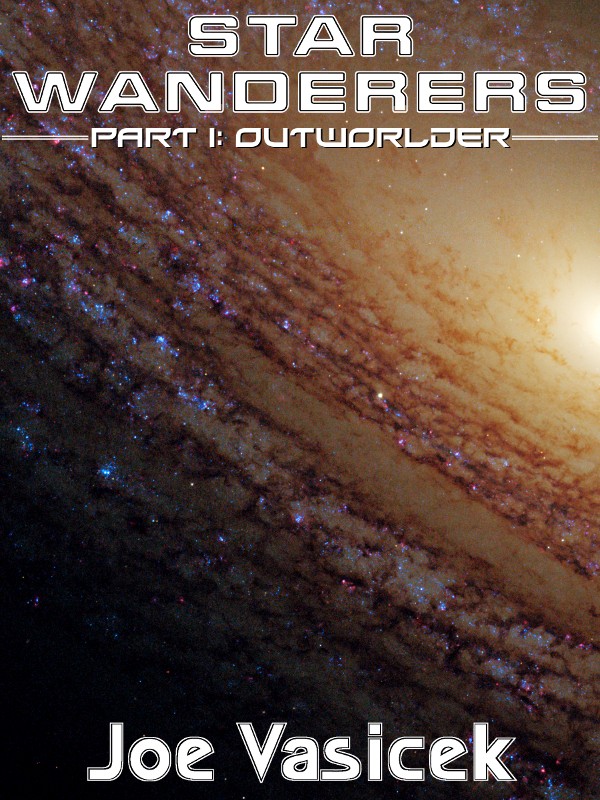
And when I asked it to take that and make it an audiobook cover, it came up with this:
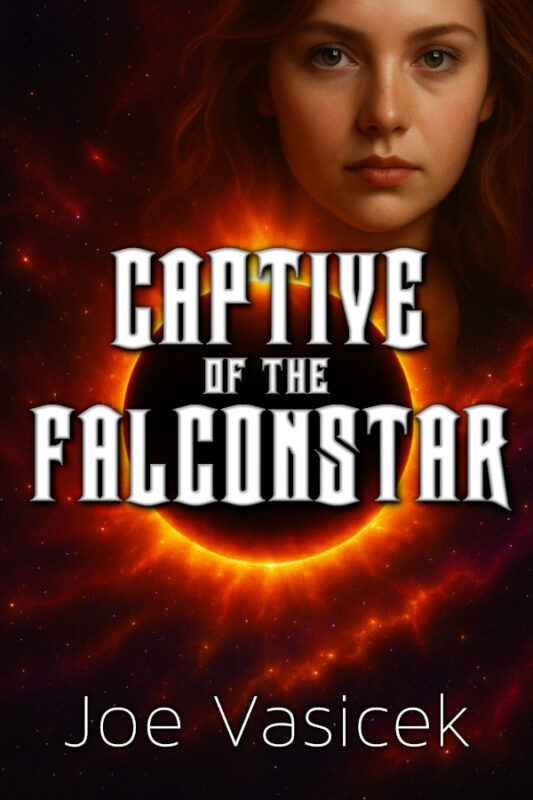
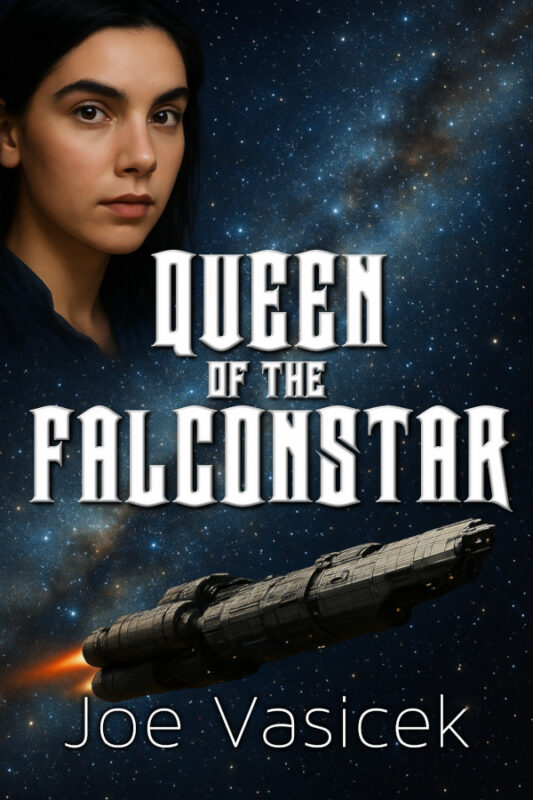
I’ve been playing around some more with ChatGPT, working on cover art for the Falconstar Trilogy. The best way to do it, I’ve found, is to make the art with AI, but to do the typography myself.
Anyhow, here are the test covers. What do you think?
The one that I feel most ambivalent about is Queen of the Falconstar. I really like how Zlata turned out, and the Falconstar looks pretty cool too, but the background… let’s see if I can fix that:
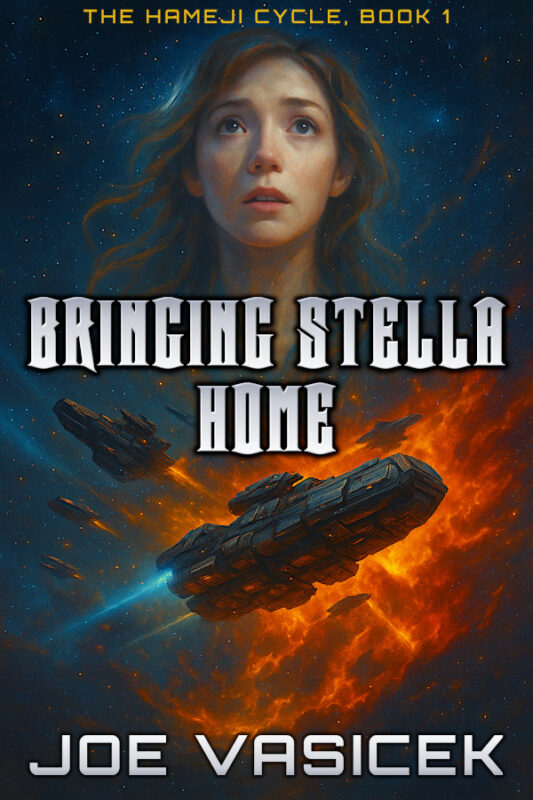
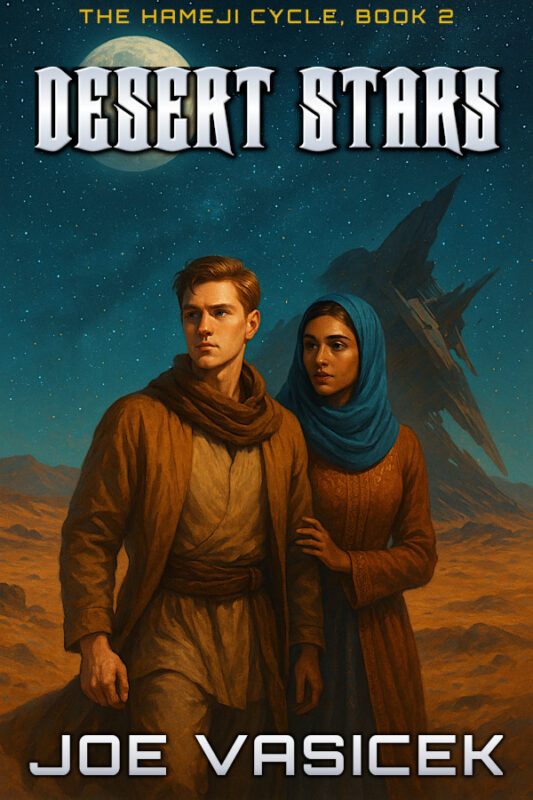
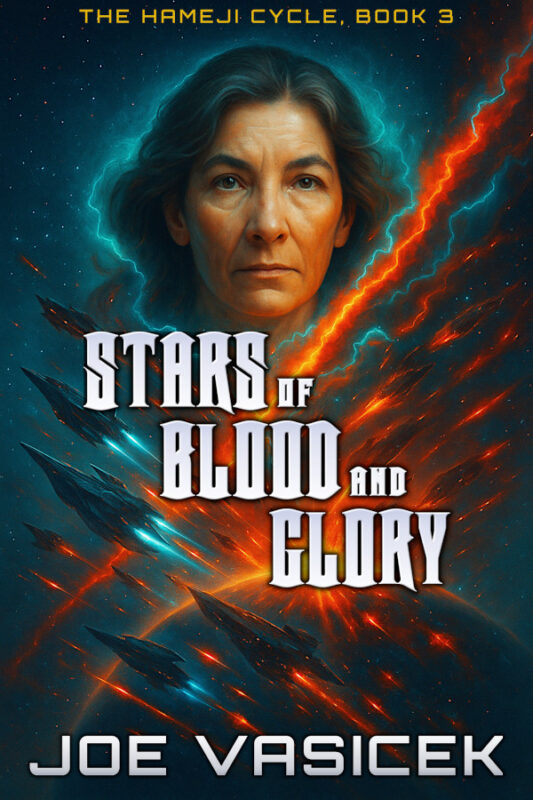
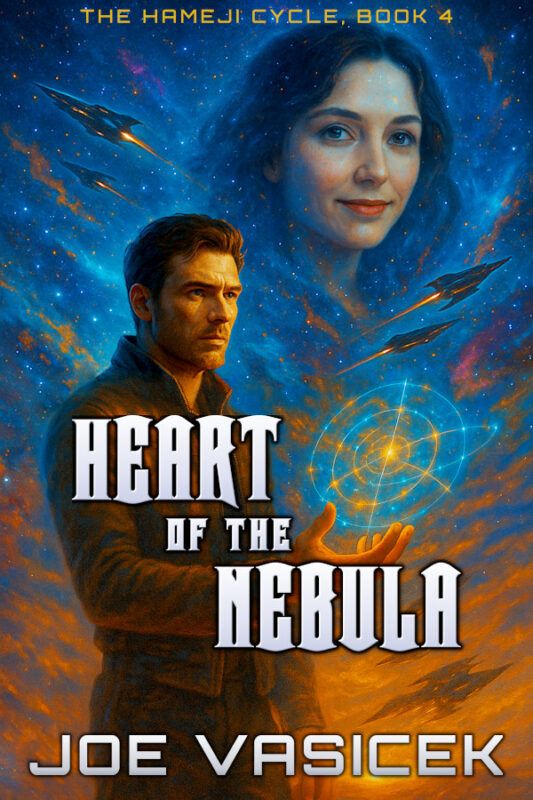
I’ve been working on this for a while, but I finally have new cover art for the old Gaia Nova books! I’m also renaming this series to The Hameji Cycle, and plan to publish a series box set very soon.
In the meantime, check out these new covers—I’m very pleased with how well they turned out!
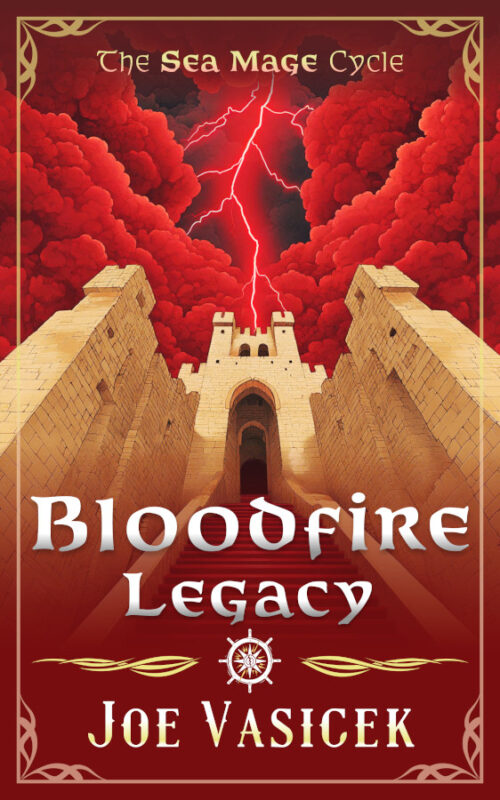
This is another great cover by James, over at GoOnWrite.com. I’m really happy with how it turned out! I’m working on the AI draft right now, but should have it done very soon. If all goes well, I’ll be publishing it either in July or August. Here is the working back cover copy:
Bloodfire Legacy (Sea Mage Cycle #5)
To save his orphaned daughter, the ghost of the greatest wizard must depend on the lowest thief.
Corin has never been more than a street rat and a petty thief. But he can also hear the voices of the dead—whether he wants to or not. Usually, the dead leave him alone after they realize he has no power to help them. But when the former court magician begins to haunt him, nothing that Corin says can convince him to go away.
Lyra, the magician’s daughter, has been delving into the dark arts to find her father’s killers and avenge his grisly death. But the very people who killed him are grooming her for a devious purpose, and the intrigue of the court has put her in more danger than she knows. Her father is the only one who knows enough to warn her, but without Corin’s help, he is powerless to save her.
To save her, Corin must be more than merely a ghost whisperer: he must rise above his circumstances and become a man worthy of trust. But will that be enough to convince Lyra to turn back to the light before her thirst for vengeance consumes her?
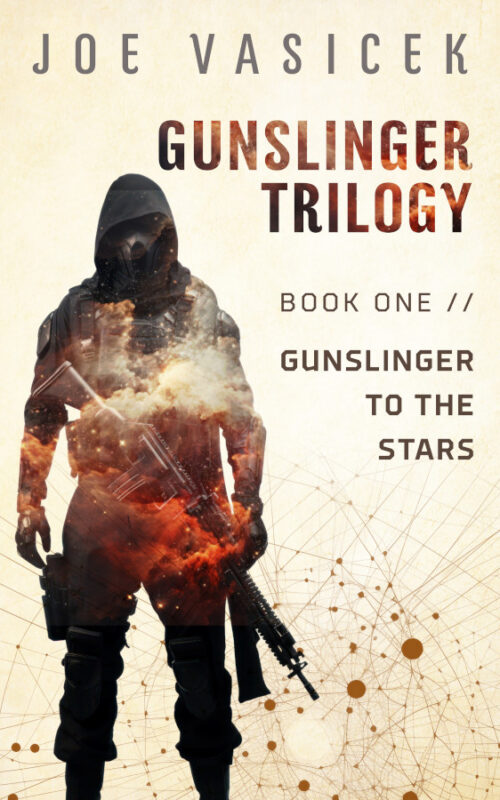
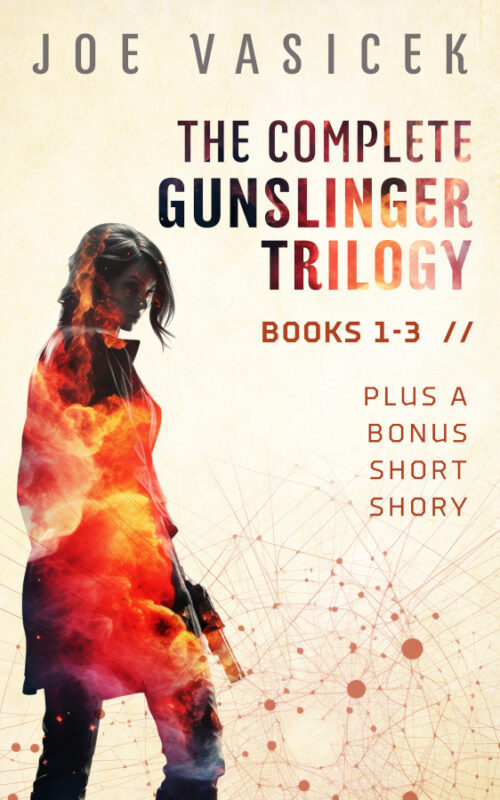
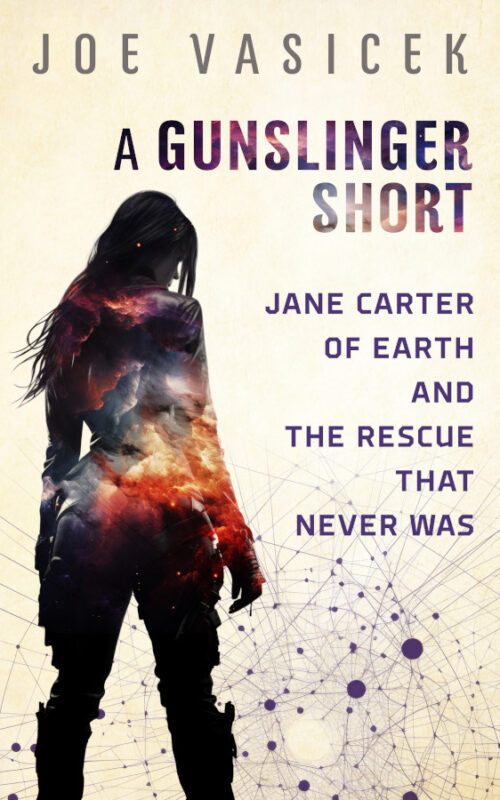
From time to time, it’s a good idea to put up new book covers—especially when the originals were ones you made yourself. I realized last year that it was high time to get new covers for my Gunslinger novels, and this month I went ahead and got it done. Check them out!
I will try to get them up before this post goes live, but there might be some delays. Regardless, they should all be up everywhere within a week or two.
Also, if you’re curious, these covers are done by James at GoOnWrite. He does really good work!
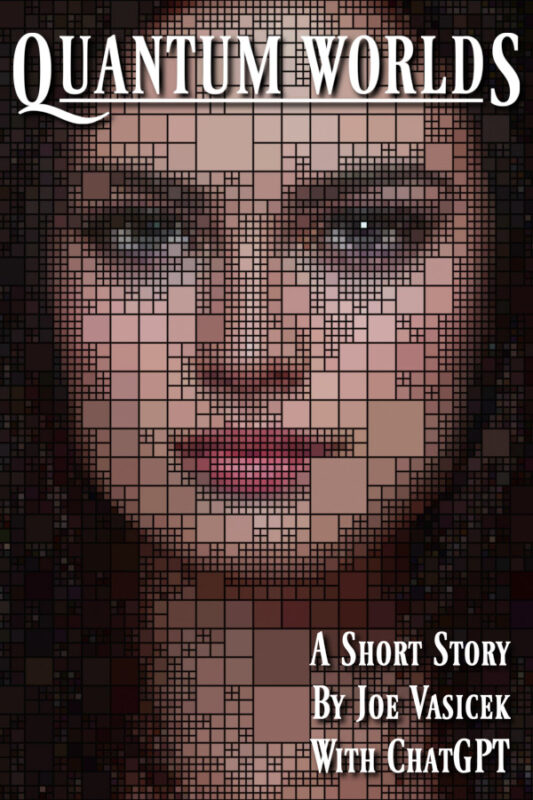
This is the first story I wrote with ChatGPT, about… a struggling science fiction magazine editor who decides to embrace AI instead of fighting against it, and revolutionizes everything. So of course, it makes sense that the cover would be patterned after Clarkesworld’s iconic covers, since I basically wrote it in response to them closing down submissions to all AI-assisted stories.
It’s out for free now, if you want to check it out. Enjoy!
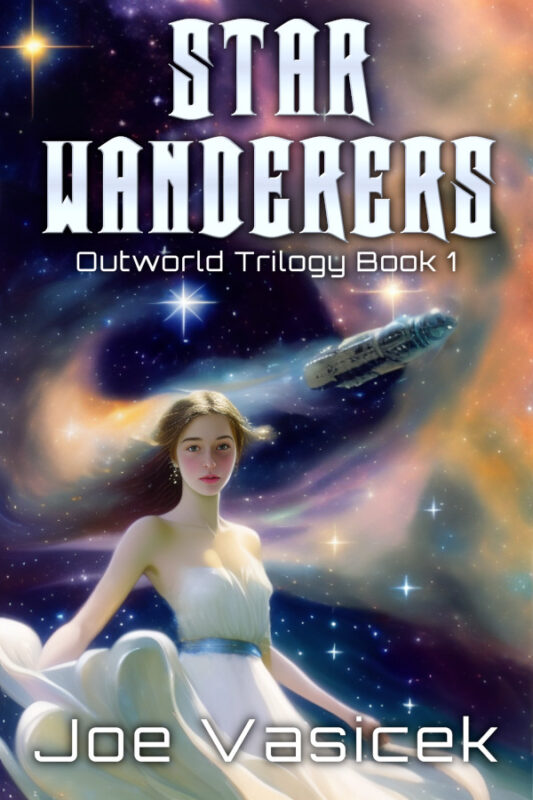
This is officially the new ebook cover for Star Wanderers. I’ve uploaded it to all platforms, though I haven’t updated the epub files yet. I’ll also update the paperbacks as soon as I have a chance, though that may take a while, especially with the new baby.
This image was AI generated using Stable Diffusion. It went through a lot of iterations, and can probably use some improvement, but this is the best I can do with the skills I currently have. Maybe a couple of years from now, after I’ve mastered the technology, I’ll make a new cover for this title. But I think this one is good enough to keep for a while.
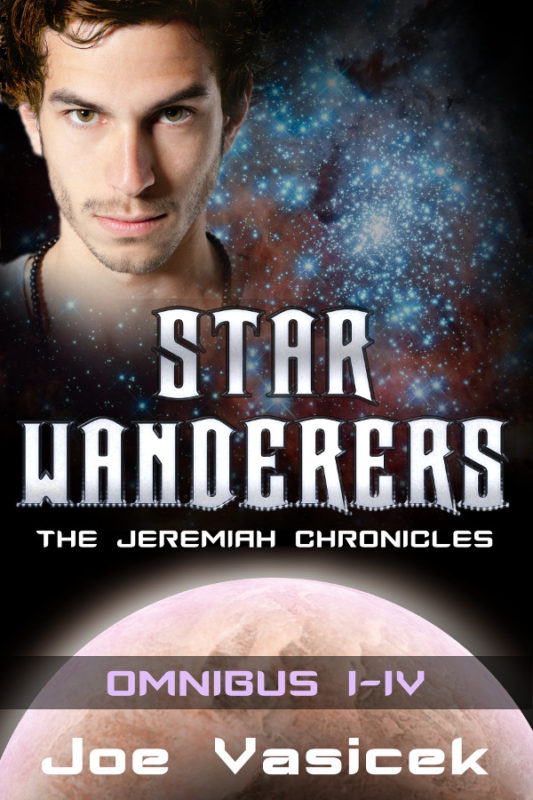
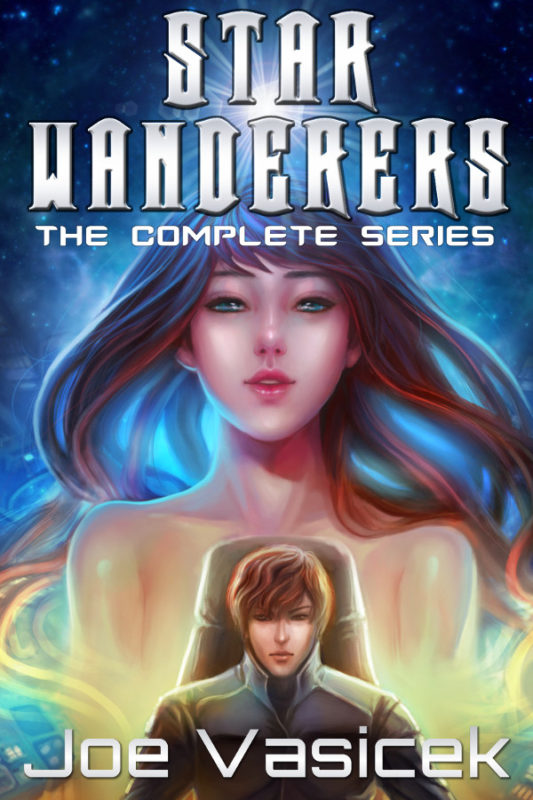
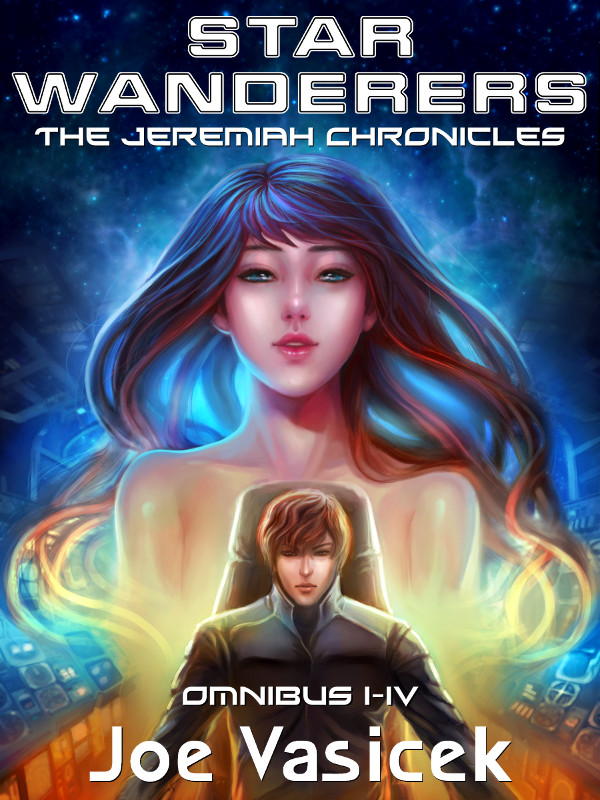
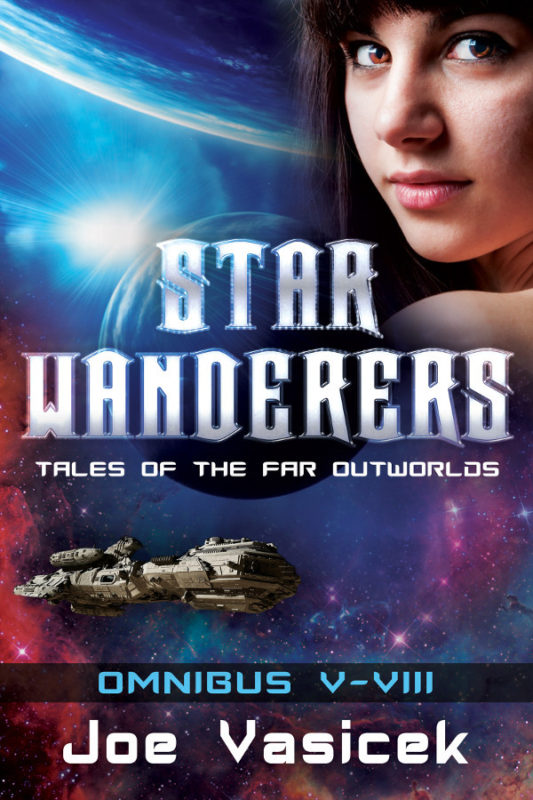
Just for fun, here are some of the old covers:
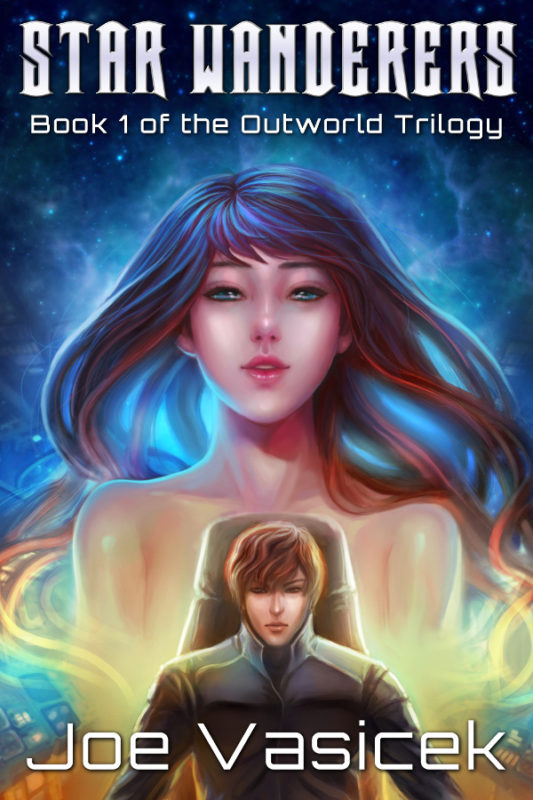
The original novel cover, which this latest one has replaced.
The second omnibus cover, from the novella series. The cover itself is by Libbie Grant, though the planet itself is a screenshot I took from Celestia.
The art from the complete series omnibus, which replaced the first two omnibuses and was the immediate precursor to the novelization itself.
The original cover for the first omnibus. The art is by Ina Wong, who also did the current cover art for The Sword Keeper.
This is the original art for the second omnibus, by Derek Murphy.
This is my personal favorite from the art by Libbie Grant. She did all eight novellas and both ominbus editions in this style.
This is the second cover for the original novelette. Derek saw my crappy self-made cover and offered to make me this one for free, so that he could showcase both of them in a before-and-after post on his blog. It worked out really well!
And this is the original ebook cover art for the first novelette that started it all. I had just launched Desert Stars, after draining my bank account to publish it since the kickstarter had failed (This was back in 2011, and I had no idea how to run a kickstarter—or how to profitably publish a book, for that matter). Since I didn’t want to spend another $900 to publish a full-length novel to the sound of crickets, I decided to turn my current WIP into a novella series, put them all out on a shoestring budget, and reinvest whatever money they earned into better editing and cover art.
The image is taken from NASA and is totally in the public domain, and I think the font is too, or at least it’s freeware of some kind. I put it together over the summer, when I was home from teaching English overseas in the Republic of Georgia. For this one, I think I used my desktop, but most of the other ones in this style were done on my tiny ASUS netbook with a screen the size of a postcard, in an old farmhouse in a tiny Georgian village at the foot of the Caucasus Mountains, which had no heating aside from the woodburning stove downstairs. The power would also frequently go out for hours at a time.
I wrote a bunch of the original novellas out there, in that tiny little Georgian village. And now, they’re all combined into one novel, which I’m turning into a trilogy right now! Just need to finish revising the second book, hopefully before that new baby comes. I should probably stop procrastinating.
Note: this post originally appeared in my newsletter, but I was so excited about it that I decided to post it here too. Enjoy!
So my wife is getting a PhD in computer science, which means that she’s on the cutting edge of research into things like language learning and topic models and other techy stuff that I don’t totally understand.
A couple of weeks ago, she downloaded Stable Diffusion, an open source text-to-image program that creates AI art, kind of like Dall-E and Midjourney. Besides playing with it herself, she thought it might be useful for me to create my own cover art. So for the last two or three days, I’ve been playing around with it, and the results are absolutely amazing!
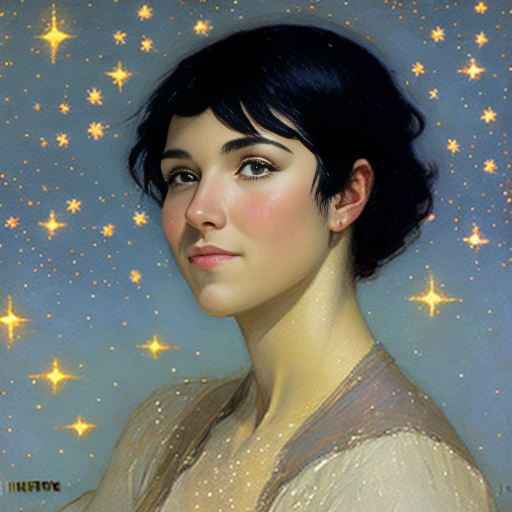
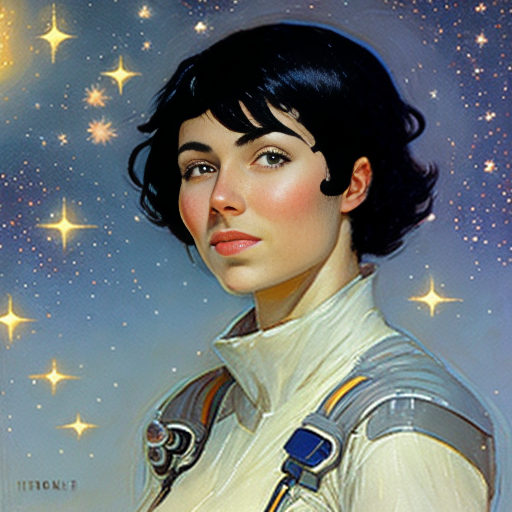
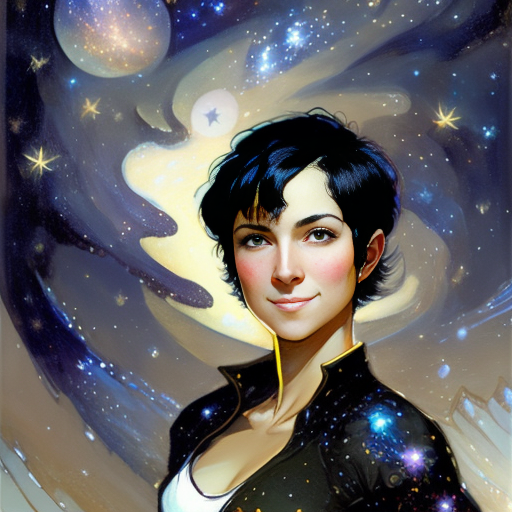
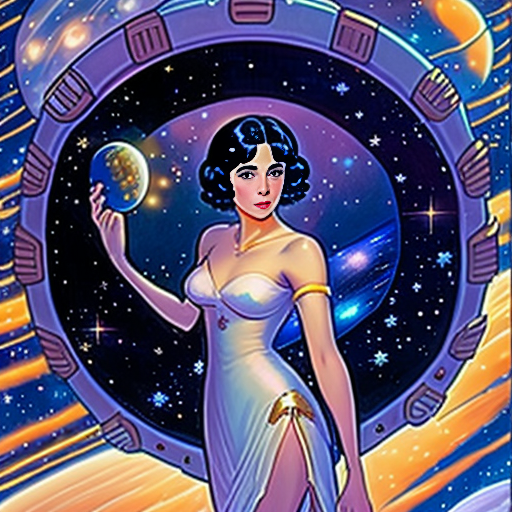
These were some of my first attempts. I’ve forgotten what the prompt was: I think it was something like “a spunky young woman with short black hair, surrounded by stars, in the style of Frank Frazetta and Minerva Teichert.” The difference between the first one and the second one was adding “in space.”
I also tried inputting a couple of paragraphs straight from my novel, including a lengthy description of this character, but the results were… uncanny. These AI art programs tend to do better if you give them short descriptions with only a handful of details.
The next day, I played around with it some more, and came up with this one:
The secret sauce for this one was adding “Minerva Teichert” and “Baen Books.” Who is Minerva Teichert? She’s a famous Latter-day Saint painter from the early 20th century who paid for her son’s tuition to Brigham Young University in original paintings, many of which are still on display in the BYU Museum of Art and the Joseph Smith Memorial building.
As you can see, there are still some weird artifacts to this piece, such as the stars on the character’s jacket. That’s the tricky part with AI art: if you look at it closely, you’ll find something weirdly uncanny, like a hand with seven fingers, or a person with three arms. The steepest part of the learning curve has to do with removing these uncanny bits, either by giving better starting prompts, or by tweaking it in subsequent iterations.
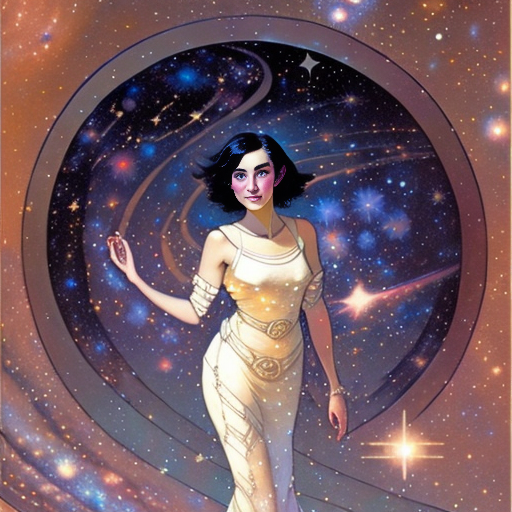
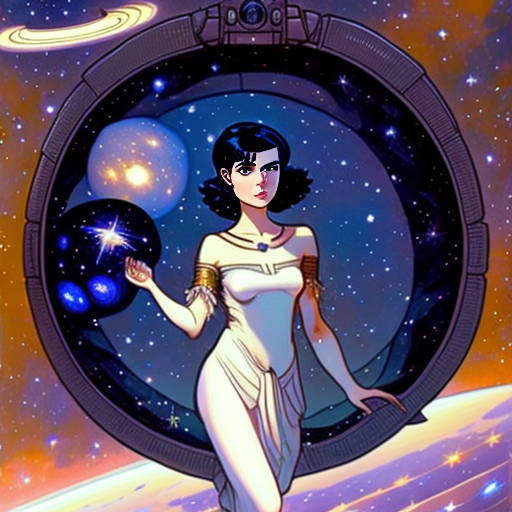
I believe the prompt for this one was “a dreamy young woman with short black hair, bare shoulders, in space surrounded by stars and galaxies. Minerva Teichert and Baen Books.” The original image was a woman in a space suit, but I used something called “image to image” to create new images based on the previous one, in batches of four. I would pick what I thought was the best one for that generation, and run the program again. That’s how I eventually got to this one:
and this one:
Still need to work on the hands. Also, there’s this weird artifact, almost like poor JPEG compression, that happens if you don’t give the program enough creative leeway with each successive generation. Another method I’ve heard of is to create a really large batch based on a given image, and then use GIMP to cut and paste all the pieces that you like from each one, before running it through one final image to image pass to seamlessly combine them.
A lot of people are either really angry or really scared about AI art and what it means for the future. It’s the same with other forms of automation, I guess. Will it replace artists entirely? Will all our art be 100% AI-generated in the future? Personally, I don’t think so. These programs are just another set of tools, and require quite a bit of practice to master.
Same thing with stuff like ChatGPT and other language learning models that can be used to write poems and stories. It takes a lot of work to come up with an AI-generated story that isn’t totally boring, or has a terrible ending. It can be done, but it does require quite a bit of human input.
So I don’t see these tools replacing artists or writers, at least in the forseeable future. Rather, I think that the successful artists and writers will be the ones who incorporate these tools into their workflow, using them as force-multipliers to make some really amazing stuff. Personally, I would absolutel love it if I could use something like ChatGPT to put out a new novel every month, or even every week.
The other thing with things like novels is that most people only read them once, because they already know what’s going to happen. So if you use an AI to write a novel, but you have to feed it all the twists and plot points… what’s the point? You’ve basically already read it. This is a problem that a lot of amateur writers have with outlining: since they already know how the story is going to end, they find it difficult to sit down and write.
Now, what I could see is a prompt like “rewrite Lord of the Rings so that Sauron wins,” or “rewrite such-and-such romance novel so that this other guy ends up with the girl.” Or “make Lord of the Rings a gritty cyberpunk novel,” or… you get the picture. And honestly, I’m fine with that. If someone who enjoyed the “alpha” version wants to create a “beta” or a “gamma” version for fun, that’s cool. It might be kind of fun to see how an AI tweaks my books.
What isn’t cool is if someone takes that beta or gamma version of my novel and tries to sell it under their own name. And that’s where most of the legal stuff needs to be hammered out, over issues like copyright. I’m not going to use Stable Diffusion to remove watermarks, or to take someone else’s copyrighted art so that I can enjoy a derivative product without having to pay the artist. And when it comes to using prompts, I’m going to err on the side of using artists like Minerva Teichert who have already passed away, or large publishing houses like Baen whose style doesn’t belong to a single artist.
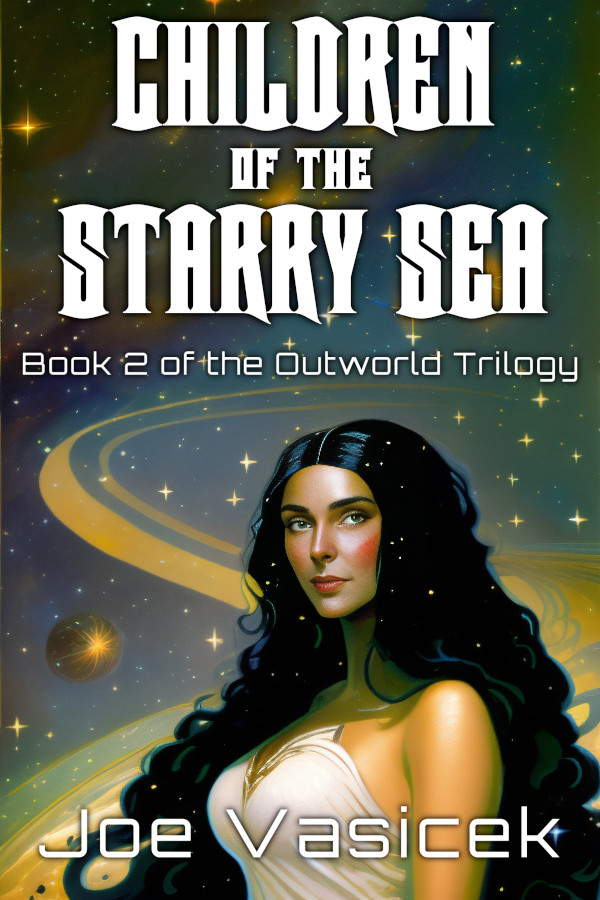
So after playing around with it some more, I finally came up with some concept art for my current novel WIP and used it to throw a cover together! What do you think? This isn’t going to be the final version—in fact, I will probably produce quite a few other test covers before I settle on the one I like. But for my current skill level (still beginner), I’m quite pleased with how it turned out!
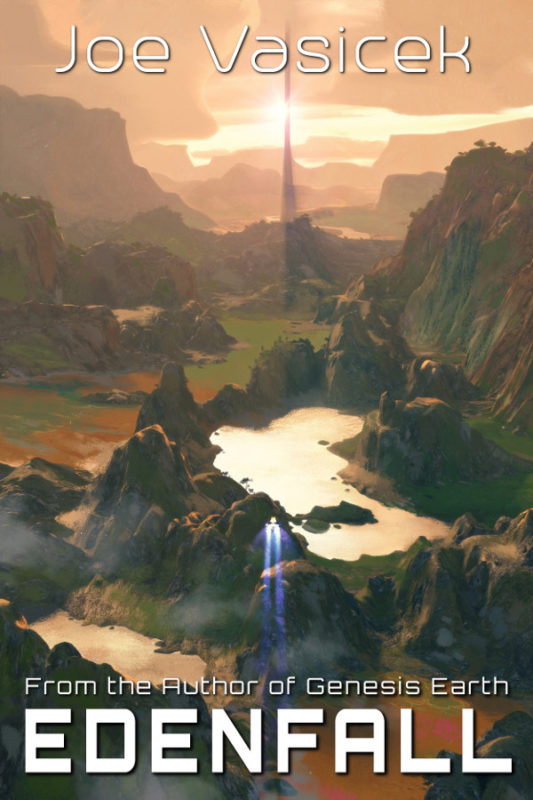
Last week in my author newsletter, I revealed the cover art for my next big novel release, Edenfall. This is the sequel to Genesis Earth and the second book in that trilogy.
Without any further ado, here is the cover!
The art is by Lorenz Ruwwe, aka Hideyoshi. I’m really happy with how it turned out. He did the art for Genesis Earth, so I’m really glad I was able to get him for this one too.
Edenfall will be up for preorder soon. To keep up with all of my new releases, as well as writing updates, special offers, book recommendations, and other cool stuff, be sure to sign up for my author newsletter! I’ve scaled back my blogging, so that’s the best way to keep up with me now.