The Nominees
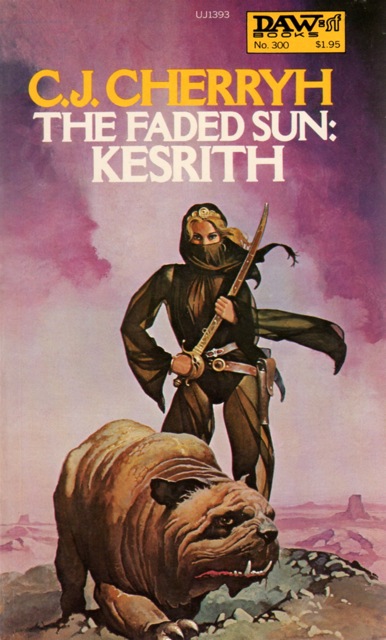
The Faded Sun: Kesrith by C.J. Cherryh
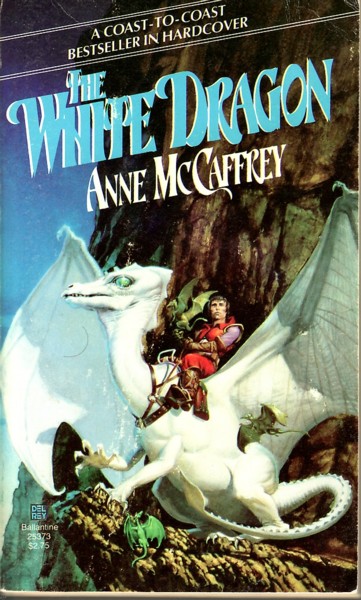
The White Dragon by Anne McCaffrey
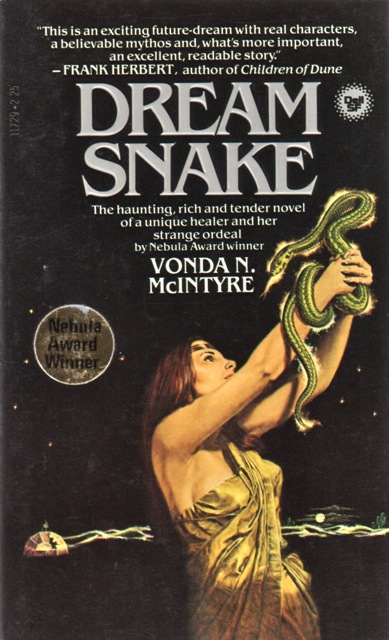
Dreamsnake by Vonda N. McIntyre
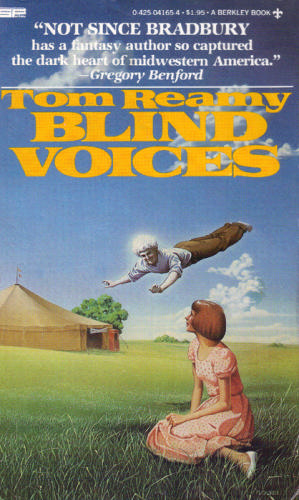
Blind Voices by Tom Reamy
The Actual Results
- Dreamsnake by Vonda N. McIntyre
- The White Dragon by Anne McCaffrey
- The Faded Sun: Kesrith by C.J. Cherryh
- Blind Voices by Tom Reamy
How I Would Have Voted
- No Award
- The Faded Sun: Kesrith by C.J. Cherryh
- The White Dragon by Anne McCaffrey
Explanation
Science fiction is so woke, it was woke before “woke” was a thing. It started in the 60s, with the organization of SFWA (which was an ideologically captured institution from its very founding—seriously, go read about the Futurians and their communist sympathies) and it reached a peak in the 70s. Then the Reagan-Thatcher era and the fall of the Soviet Union pushed the genre to moderate for a couple of decades, but after it went dark & gritty with cyberpunk and grimdark, the wokeness rose up and took over all the institutions of the genre. Which is why, today, most of the award winning science fiction is pink haired butch lesbian cat ladies going where no gender identity has gone before, with a few token minorities thrown in for good measure.
The late 70s was when the pre-woke era really hit its peak, which is probably why 1979 was the year when we got the worst book to ever win a Hugo: Dreamsnake by Vonda N. McIntyre. Seriously, it is terrible—not for being woke (it isn’t especially political), but just for being BAD. It’s based on a short story McIntyre wrote that won the Hugo the previous year, and the novel seriously reads like bad fanfic… of her own story… so because it assumes that you already know and love the story, the book never actually tells the story in a meaningful way. And of course, the writing is absolutely terrible—almost as terrible as the original first edition cover art:
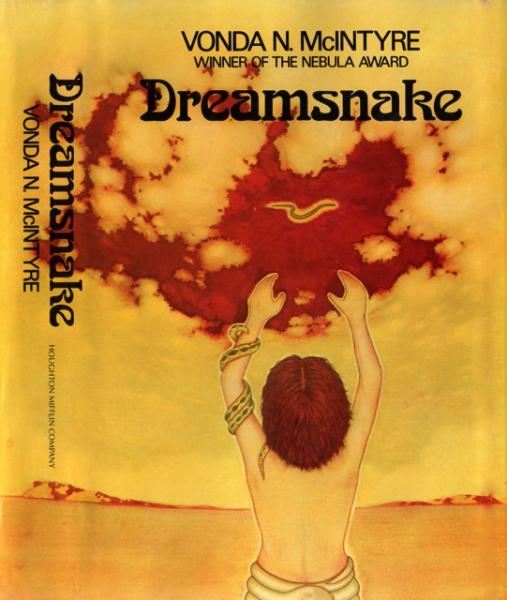
McIntyre went on to write some writing books, with terrible advice like “never say ‘he screwed up his eyes in thought!’ Who even does that?” Later, she even founded the writing workshop Clarion West, which seriously makes me wonder about the quality of instruction. But from what I can tell, the whole Clarion / Clarion West / Odyssey workshop network is less about teaching good writing and more about serving as a feeder system for traditional publishing, making sure that the new authors are sufficiently diverse and woke.
I used ChatGPT to screen Blind Voices by Tom Reamy, and based on what it told me, I decided not to read it. Apparently, the book is about a bunch of naive, innocent midwestern girls who get corrupted (and one of them gets raped) by a supernatural traveling circus. Lots of nihilism and weird sexual content, so I’m gonna pass.
I wanted to like Kesrith, and actually got several chapters into it, but the book ultimately bored me too much to finish it—which I’ve found is true of most of C.J. Cherryh’s books. Maybe I’ve just become too impatient as a reader, since I did enjoy Merchanter’s Luck and Voyager in Night back when I read them in college, but I don’t have much tolerance for boredom anymore.
As for McCaffrey’s Dragonriders of Pern series, I DNFed the series after the second book. I know it’s super well beloved by the older generation of readers, but the dragons are just so OP that I couldn’t really get into it. Seriously… if your characters can magically teleport through time AND space, is there anything they can’t do? So where is the conflict? Apparently in lots of interpersonal relationship drama, which is why I checked out.