Fantasy, for all its dragons and destiny, is often a very serious genre. Life and death, good and evil, wars and rumors of wars—these are just a few of the more serious subjects we often find in fantasy. But a good story needs to strike a variety of notes beside the somber ones. The darker the tale, the more important the laughter becomes.
Soldiers have known this for ages. Marines are famous for their gallows humor—twisted, irreverent, often completely inappropriate jokes that somehow manage to be hilarious precisely because of how bleak the surrounding circumstances are. In war, laughter can be a survival mechanism, a pressure valve, and a glue that bonds brothers together. If you can laugh with someone in the trenches, you’re probably going to trust them when the bullets start flying.
Fantasy, like war, often deals with high stakes and harsh realities. Armies march. Cities burn. Heroes fall. The world trembles on the edge of the abyss. But if the characters never laugh—if they can’t crack a smile even once—then something essential has been lost. Without humor, darkness becomes unbearable. With it, we can find the strength to endure.
Terry Pratchett understood this. His Discworld novels are farcical, yes, but they are also deeply wise. He made fun of everything—kings, wizards, police, journalists, Death himself—but always with a nod to the things that make us human. As a result, his stories are full of heart, even when they deal with some surprisingly dark and existential subjects—such as Death himself.
In fantasy, humor can take many forms. Sometimes it’s wordplay or irony. Sometimes it’s a running gag or a sarcastic sidekick. Sometimes, it’s directed primarily at the reader, such as William Goldman’s masterful narration of The Princess Bride. Other times, it flows from the characters in their interactions with each other. With Terry Pratchett, it often was both.
It can be done poorly, of course. In fact, humor is often one of the hardest things to pull off well. Few people take their craft more seriously than comedians (which itself is kind of hilarious, if you stop to think about it). To further complicate matters, the humorous elements in a good fantasy novel are often subtle and invisible, burning off just enough tension to let the story breathe. Anything more than that is liable to pull the reader out of the story, by drawing too much attention to the joke.
It can be a difficult thing to balance. But when it’s done well, it can make for a very entertaining tale. And when balanced with all the other elements of a good story, humor can make the emotional highs higher and the emotional lows lower. Which makes it a very powerful thing.
I don’t know how good I am at writing humor, but I try to sprinkle in enough of it to make my stories entertaining. My humor is often situational: for example, in The Call of the Tide, Samuel is a mage who can only exercise magic by never cutting his hair. That led to some mildly hilarious situations, such as birds trying to nest on his head at the most awkward of times. I also try to let it flow from the characters themselves. In Bloodfire Legacy, Corin often speaks with a sarcastic edge that flows from his experience growing up on the streets. This makes him a good foil for the somber ghost of Lord Arion, who was murdered in the first chapter of the book and now haunts him.
There’s a time to take things seriously, but there’s also a time to laugh and lighten up. And ultimately, if a story doesn’t entertain you, it’s not going to do much else. The best fantasy books have an element of humor, even if it’s subtle. After all, laughter is one of the most essential things that makes us human.


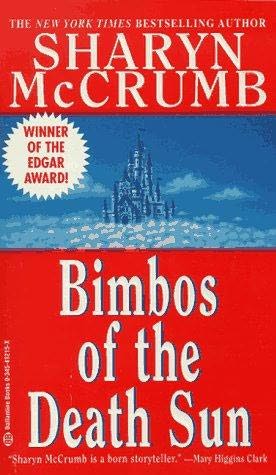 It’s that time of year! Elves, Klingons, slave women, gamers, computer geeks, aspiring writers, and superfans are converging on Rubicon, the annual science fiction convention. Mild mannered citizens beware!
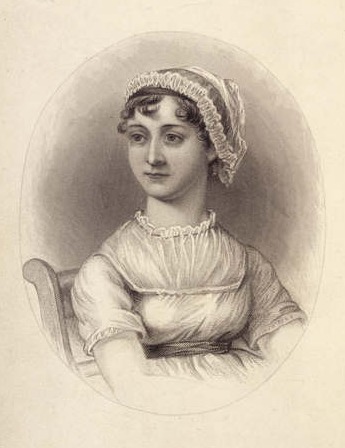 Okay, okay, don’t worry, I know the answer to this question. But in five hundred or a thousand years, will people be so certain?
  Today was my last writing meeting as Quark writing vp. :'(