What heals a person when the universe won’t stop moving—when home is gone, language is чужой, and every port feels temporary? Star Wanderers is a character-driven science fiction novel built around a simple, stubborn hope: that the healing power of love isn’t just something you feel, but something you build—and that it can stitch a fractured life back together into belonging.
Where the Idea Came From
The seed of this theme came from two places. First, I wanted to take the love-story core of an old western (Jeremiah Johnson) and translate it into frontier science fiction—into a world where survival is hard, communities are fragile, and intimacy carries real risk.
Second, the story grew alongside my own life. I began writing the original novellas as a single young man during the Great Recession, pouring real loneliness into Jeremiah’s wandering. Years later, I finished the novel married and on the verge of fatherhood. That personal journey reshaped the book’s central idea: that love has the power to heal isolation—not by removing hardship, but by giving hardship meaning.
How the Healing Power of Love Shapes the Story
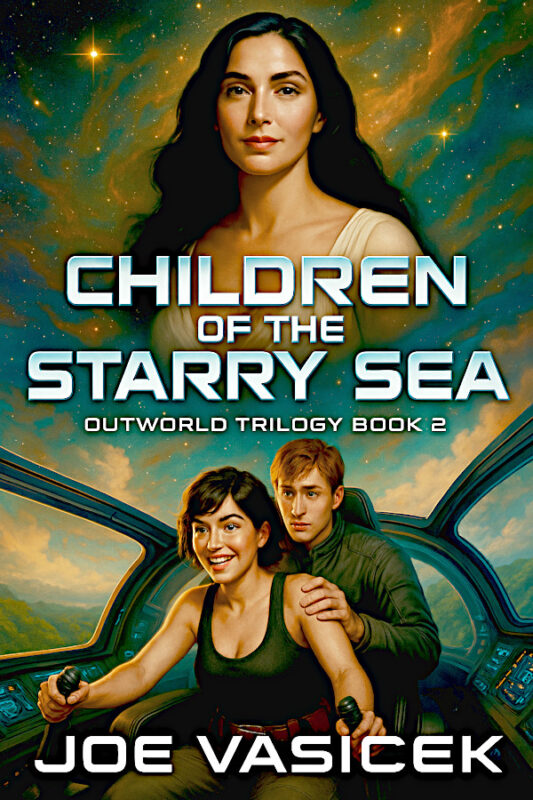
In Star Wanderers, the central conflict isn’t just pirates, frontier scarcity, or outworld politics—it’s the ache beneath all of that: the fear that drifting will hollow you out. Jeremiah begins the story as a lone starship pilot shaped by motion and isolation, surviving by staying unattached. But when Noemi enters his life, love becomes the force that redefines what “survival” even means. Commitment pulls him out of mere wandering and into responsibility: protecting someone else, learning someone else’s world, and choosing a future that requires roots instead of constant escape.
That healing love ripples outward through the story. Other characters see the difference it makes—because love creates an anchor in chaos. It becomes the standard by which temptation, loyalty, and trust are measured. Again and again, the story asks: what happens when you risk the one thing that’s keeping you whole? That’s why moments of fear, sacrifice, and moral choice matter so much here—not as plot mechanics, but as stress tests that reveal whether love is strong enough to carry a life.
What the Healing Power of Love Says About Us
This theme is hopeful, but it’s not naïve. It suggests that loneliness isn’t only a circumstance—it’s a wound—and that healing usually comes through commitment rather than convenience. Real love costs something: pride, independence, comfort, the illusion that you can keep yourself safe by staying separate. But it also gives back something many of us are quietly starving for: a place to belong, even when the world remains uncertain and unfinished.
Why This Theme Matters to Me
I keep returning to this theme because I’ve seen how easy it is to drift—emotionally, spiritually, socially—especially when life feels hostile or unstable. Star Wanderers is the most personal thing I’ve written in that sense: it begins in loneliness and ends in family. I wanted to capture that truth as honestly as I could—that love doesn’t magically remove hardship, but it can transform hardship into a life worth living, and an adventure you’re grateful to stay for.
Where to Get the Book