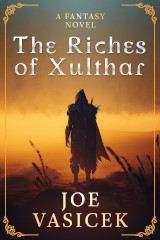
Chat GPT Writes Fantasy in Various Authors’ Styles

Generic (no author style specified):

Once upon a time, in a land far, far away, there was a brave knight named Sir William. He was renowned throughout the kingdom for his valor, loyalty, and unwavering sense of justice. One day, a dreadful dragon named Gorthor, known to terrorize the kingdom, descended upon the land, spreading fear and destruction wherever it went.

Princess Elara, the fair and kind-hearted daughter of King Roland, was taken captive by the fearsome dragon and locked away in a tower atop a treacherous mountain. The king was devastated, and his subjects lived in fear of the dragon’s wrath. But Sir William, hearing of the plight of the princess and the suffering of the kingdom, knew that he had to act.

With his sword in hand and armor gleaming in the sunlight, Sir William set off on his quest to slay the dragon and rescue Princess Elara. He journeyed through thick forests, crossed raging rivers, and traversed treacherous mountains, facing numerous challenges along the way. But he was undeterred, for his determination and bravery were unmatched.

As Sir William approached the dragon’s lair, he could feel the scorching heat of its breath and hear its monstrous roars echoing in the distance. Undeterred, he marched forward, steeling himself for the battle ahead. The dragon emerged from its lair, its scales gleaming with malice, and attacked with its fiery breath and razor-sharp claws.

Sir William fought with all his might, dodging the dragon’s flames and striking with his sword. The battle was fierce and intense, with the ground trembling from the dragon’s fury. But Sir William refused to back down, fueled by his desire to save the princess and free the kingdom from the dragon’s tyranny.

With a mighty swing of his sword, Sir William struck a fatal blow to the dragon, piercing its heart. The dragon let out a deafening roar before collapsing, defeated. The kingdom rejoiced as the news spread that the dragon had been slain.

Sir William ascended the mountain and unlocked the tower where Princess Elara was held captive. She greeted him with tears of joy, thanking him for his heroism. Sir William was captivated by her beauty and grace, and he knew that she was worth every battle he had fought. They descended the mountain together, hand in hand, as the kingdom welcomed them with open arms.

King Roland was overjoyed to be reunited with his daughter, and he honored Sir William for his selfless bravery. The princess and the knight fell in love, and they were wed in a grand ceremony attended by the entire kingdom. Sir William became a legend, with songs and tales of his courage and valor echoing throughout the land.

And so, Sir William and Princess Elara ruled the kingdom with wisdom, fairness, and compassion. They lived happily ever after, and the dragon Gorthor became a distant memory, a tale of a brave knight who slayed the beast and rescued the princess, eternally cherished in the hearts of the people.

In the style of Brandon Sanderson:

Sir William, a knight hailing from the planet Scadrial in the cosmere, embarked on a perilous quest to defeat the dreaded dragon Gorthor and rescue Princess Elara, daughter of King Roland of Alderia. Armed with an Allomantic steel spike, Sir William utilized his enhanced physical abilities to navigate through the treacherous terrain and fend off beasts of the wilds.

As he journeyed through the dense forests of Alderia, Sir William encountered a mysterious old woman who revealed herself to be a Feruchemist. She gifted him with a metalmind that stored strength, fortifying his resolve for the challenges ahead. With newfound determination, he traversed raging rivers and scaled towering peaks, all while tapping into the stored strength in his metalmind to push beyond his physical limits.

Upon reaching the dragon’s lair, Sir William faced Gorthor in an epic battle of steel and flame. His Allomantic steel enhanced his agility, allowing him to dodge the dragon’s fiery breath, while his Feruchemical strength empowered him to wield his sword with unmatched prowess. The battle was fierce, and Sir William drew upon every ounce of his Allomantic and Feruchemical powers to gain the upper hand.

As the fight reached its climax, Sir William tapped into his metalmind to deliver a devastating blow, piercing Gorthor’s heart and vanquishing the dragon. But the victory came at a cost, as Sir William’s metalmind was depleted, leaving him weakened and vulnerable.

Princess Elara, who had witnessed the battle from her prison in the tower, rushed to Sir William’s side, tending to his wounds with her Healing powers as a Lightweaver from Roshar. Her radiant abilities mended his injuries, and their connection grew stronger as they bonded over their shared experiences.

With Gorthor defeated and Princess Elara freed, Sir William’s deeds spread across the cosmere, earning him the admiration of other Knights Radiant from different planets. He and Princess Elara returned to Scadrial, where they were wed in a grand ceremony attended by representatives from various worlds in the cosmere.

Together, they ruled Alderia with wisdom, fairness, and compassion, drawing upon their combined knowledge and abilities. Under their leadership, the kingdom flourished, and the people hailed them as legends in their own right. Sir William’s tale of courage and sacrifice spread far and wide, becoming a part of the cosmere’s history and inspiring future generations of Knights Radiant to rise up and protect the realms from the forces of darkness.

Little did Sir William know that his encounter with Gorthor was not a mere coincidence, but a ripple in the greater tapestry of the cosmere’s interconnected realms. The dragon’s appearance was but a symptom of a greater threat looming in the shadows, a threat that would require Sir William and Princess Elara, along with their newfound allies from across the cosmere, to join forces and face the challenges that lay ahead in order to safeguard all of creation.

In the style of George R.R. Martin:

In the grim realm of knights and dragons, where honor and loyalty were scarce commodities, Sir William’s tale took a darker turn. As he battled the dragon Gorthor, the creature’s claws tore through his armor, leaving him with grievous wounds that festered with infection. Princess Elara’s efforts to nurse him back to health were valiant, but the scars that marred Sir William’s body were a constant reminder of the brutal reality of their world.

As they returned to King Roland’s castle, they found themselves embroiled in a web of political intrigue. King Roland, swayed by the whispers of cunning advisers, questioned Sir William’s motives and cast doubt on his intentions. Rumors spread like wildfire, painting Sir William as a threat to the kingdom rather than a hero. Princess Elara, torn between her love for Sir William and her loyalty to her father, found herself caught in the crossfire.

In the shadows, enemies lurked, seeking to undermine Sir William and seize power for themselves. Betrayal came from unexpected quarters, as allies turned against him, driven by their own ambitions and greed. Sir William’s once staunch allies dwindled, leaving him isolated and vulnerable. He realized that the dragon’s defeat was only the beginning of his struggles.

Princess Elara, torn between her duty to her father and her love for Sir William, faced her own battles. Her father’s health deteriorated, and his advisers vied for influence, manipulating her at every turn. She learned that the dragon’s capture had been part of a larger conspiracy, and she had to navigate a treacherous path to uncover the truth and protect her kingdom.

As tensions mounted, Sir William and Princess Elara found themselves at odds, torn apart by conflicting loyalties and the machinations of those who sought to undermine them. The kingdom descended into chaos, and war loomed on the horizon. Sir William, once a celebrated hero, became a hunted man, forced to go into hiding as he sought to clear his name and unravel the web of deceit that threatened to tear the kingdom apart.

With each step, Sir William faced new dangers and encountered foes both familiar and unexpected. His once noble cause had become a desperate fight for survival, as he struggled to stay one step ahead of those who sought his downfall. Princess Elara, torn between her love for Sir William and her duty to her kingdom, had to make impossible choices that would forever change the course of their lives.

In the end, Sir William’s fate was tragic. Betrayed by those he trusted, he fell in a final, desperate battle, his legacy tarnished and his name forgotten. Princess Elara, heartbroken, was forced to pick up the pieces and carry on, forever haunted by the choices she had made and the cost of power and politics.

And so, in the realm of knights and dragons, where honor and treachery walked hand in hand, Sir William’s story became a cautionary tale of the perils of ambition, the fleeting nature of glory, and the harsh realities of a world where even the bravest of knights could fall victim to the darkness that lurked in the hearts of men. The dragon’s defeat had been but a fleeting moment of triumph, swallowed by the relentless tide of intrigue and betrayal that plagued the kingdom.

In the style of Robert E. Howard:

The sun sank low, casting shadows that seemed to crawl across the rugged terrain as Sir William ascended the perilous mountain path. His armor weighed heavy, but his resolve burned hotter than the dragon’s breath that he knew awaited him at the peak. Legends of the fearsome beast, Gorthor, had spread like wildfire, and the princess, Elara, held captive in its lair, was in dire need of rescue.

Sir William’s sword gleamed with deadly intent, the only companion he needed as he pressed on, his mind focused on the task at hand. His steps were measured, his senses keen, as he navigated the treacherous trail that wound higher into the mountains. The dragon’s roars grew louder, a savage symphony of primal rage that set Sir William’s blood boiling.

Finally, he reached the dragon’s lair, and the beast emerged in all its terrifying glory. Its scales glinted with malice, its breath a searing inferno that scorched the air. Sir William met the creature head-on, his sword slicing through the air with the precision of a seasoned warrior.

The battle was brutal, a clash of steel and flame that shook the very foundation of the mountain. Sir William’s sword danced with deadly grace, finding its mark again and again, but the dragon was a formidable foe. Its claws slashed through the air, and its fiery breath threatened to consume Sir William. Yet he fought on, his eyes blazing with determination.

With a mighty swing of his sword, Sir William struck a fatal blow, piercing the dragon’s heart. The beast let out a monstrous roar, its lifeblood staining the ground. Sir William stood victorious, his chest heaving with exertion, his armor spattered with dragon’s blood.

He made his way to the tower where Princess Elara was held captive, the door creaking open to reveal her tear-streaked face. She rushed into his arms, and Sir William held her close, their relief palpable. The princess’s gratitude shone in her eyes, and Sir William’s heart swelled with a sense of accomplishment.

As they descended the mountain together, they were met with cheers from the kingdom. King Roland embraced his daughter, and Sir William was hailed as a hero. He and Princess Elara ruled the kingdom with wisdom and courage, their bond deepening with each passing day. Sir William’s name became a legend, spoken in awe by those who heard the tale of the knight who had slain the dragon and rescued the princess from its clutches.

The dragon Gorthor was vanquished, but Sir William knew that danger lurked in every shadow, and that new adventures awaited. He would forever be remembered as the hero who had stared death in the face and emerged victorious, his legend destined to live on in the annals of history as a testament to the indomitable spirit of a true warrior.

In the style of Ursula K. Le Guin:

Once upon a time, in a world shrouded in mystery and magic, Sir William, a knight of noble birth, heeded the call of duty and embarked on a quest to confront a fearsome dragon named Gorthor. Clad in his armor of polished steel, he rode forth with his sword gleaming in the pale moonlight, driven by a sense of purpose that burned like a fire within him.

As he journeyed through the wilderness, Sir William beheld the beauty of the land he swore to protect. The ancient trees whispered ancient wisdom, and the rivers sang melodies that echoed through his soul. He encountered creatures both fantastical and fearsome, yet he remained steadfast, for his heart was set on saving Princess Elara, the beloved jewel of the realm.

At last, Sir William reached the foot of the mountain where the dragon’s lair was said to be hidden. The air crackled with an otherworldly energy, and the mountain loomed ominously, as if guarding a secret known only to the stars. With measured steps, Sir William ascended the treacherous path, his senses heightened, his sword at the ready.

The dragon Gorthor, with scales that shimmered like midnight stars, emerged from the shadows, its fiery breath casting an eerie glow in the darkness. The battle that ensued was a dance of danger, a symphony of steel and flame. Sir William moved with grace and skill, dodging the dragon’s onslaught while striking with precision, his heart pounding with every swing of his sword.

But the dragon was cunning, its movements as swift as the wind, and it tested Sir William’s resolve. The knight faltered, feeling the weight of the challenge before him. Yet, in that moment of doubt, he found strength in the memory of the princess he sought to rescue, and he pressed on, determined to prevail.

With a final, mighty swing, Sir William’s sword found its mark, piercing the dragon’s heart. Gorthor let out a mournful cry and crumbled to the ground, its once fearsome form reduced to mere ashes. Sir William stood victorious, but his heart was heavy with the weight of the battle.

He ascended the mountain to the tower where Princess Elara was held captive. As he opened the door, he beheld her, a vision of grace and courage. Her eyes shone with gratitude as she embraced him, and Sir William felt a warmth spread through his chest, a feeling he had never experienced before.

Together, they descended the mountain, hand in hand, their hearts intertwined. The kingdom rejoiced at their return, and King Roland greeted them with tears of joy. Sir William and Princess Elara wed in a ceremony that united the realm, their love a beacon of hope in a world often fraught with darkness.

They ruled with wisdom and compassion, their reign marked by fairness and justice. The memory of the dragon Gorthor faded into legend, a cautionary tale of the consequences of greed and tyranny. Sir William and Princess Elara’s legacy lived on, a tale of valor and love that inspired generations to come.

And so, in the annals of history, the tale of Sir William and Princess Elara, a knight and his beloved, passed into legend. Their names were spoken in hushed whispers, their deeds woven into the tapestry of folklore. For in a world where darkness lurks, the light of courage and love will always shine, a testament to the enduring power of the human spirit.

In the style of J.R.R. Tolkien:

In the time of yore, when shadows loomed and darkness encroached upon the realm, there arose a valiant knight known as Sir William of the House of Evergreen. Clad in armor that bore the markings of ancient lore, and wielding a sword forged in the fires of the dwarves, he set forth on a perilous quest to vanquish the dragon that had plunged the land into fear.

Through ancient forests and across mist-shrouded moors, Sir William journeyed, guided by a vision of a fair princess, Elara, whose heart was pure and whose soul shone like a star in the night sky. He faced daunting challenges along the way, from foul creatures that lurked in the shadows to enchanted barriers that sought to impede his progress. But his resolve remained unshaken, for he bore in his heart a sense of duty and a steadfast determination to set things right.

At last, Sir William reached the dragon’s lair, a desolate peak shrouded in darkness and wreathed in smoke. The dragon, known as Gorthor the Dread, emerged from the shadows, its scales glinting with malevolence, and unleashed a torrent of fire. Sir William stood firm, his shield raised, and his sword gleaming with the light of the stars.

A battle of epic proportions ensued, as Sir William faced the dragon with unwavering courage. He danced and dodged, his sword slashing through the air with the precision of an elven blade. The dragon’s fiery breath and mighty talons tested his mettle, but he fought on, his eyes fixed on the dragon’s heart, the only vulnerable spot.

With a resolute swing, Sir William struck a decisive blow, piercing the dragon’s heart and bringing it down with a roar that echoed across the land. The dragon’s flames faded, and Gorthor the Dread fell, defeated. The realm rejoiced as news of the dragon’s demise spread far and wide.

Sir William ascended the towering peak where Princess Elara was held captive, her beauty shining like a beacon in the darkness. Her eyes were filled with tears of gratitude as she embraced him, and Sir William’s heart swelled with joy. Together, they descended the mountain, hand in hand, amidst cheers and celebrations from the grateful people.

King Roland, overjoyed at the safe return of his daughter, bestowed upon Sir William the highest honors, and the knight was hailed as a hero throughout the realm. He and Princess Elara were wed in a grand ceremony that united the kingdom in jubilation.

Sir William and Princess Elara ruled with wisdom and compassion, bringing a new era of peace and prosperity to the land. Their story was woven into the tapestry of legends, a tale of valor, love, and sacrifice that echoed through the ages. And so, the name of Sir William of the House of Evergreen, the dragon slayer, and his beloved Princess Elara, the fair and kind-hearted, were revered in the annals of history, a beacon of hope for all who heard their tale.

…and as a poem in the style of J.R.R. Tolkien:

In the days of yore, when shadows fell,
And dragons roamed o’er hill and dell,
A knight of noble heart and might,
Set forth to face a fearsome plight.

Sir William, with his sword so bright,
And armor gleaming in the light,
Embarked upon a perilous quest,
To slay the dragon, cursed and blessed.

Through darkened woods and mountains high,
He traveled with a steadfast eye,
His heart filled with a solemn vow,
To save the princess, here and now.

With each step, danger lurked near,
As whispers echoed in his ear,
And shadows danced with eerie grace,
Testing his courage in that dark place.

But onward he pressed, undeterred,
His sword at hand, his soul unblurred,
For he was driven by a dream,
Of a princess fair, and her heart’s gleam.

At last, he reached the dragon’s lair,
A cavern filled with smoke and glare,
And there he stood, so brave and bold,
Facing the dragon, fierce and cold.

Gorthor, the beast with scales of fire,
Roared and breathed a seething pyre,
But Sir William stood firm and strong,
And sang a song, a valiant song.

With blade and shield, he fought the fight,
As sparks and flames lit up the night,
His sword struck true, his aim was keen,
As he battled the dragon, fearsome and mean.

And then, with one final strike,
He pierced the dragon’s heart alike,
Gorthor fell, defeated and still,
His fiery breath no longer ill.

With victory won, Sir William climbed,
The tower where the princess chimed,
Elara, fair as morning light,
Embraced him, tears of joy so bright.

Together, they descended down,
To a kingdom that had lost its frown,
King Roland and his people cheered,
As the dragon’s threat had disappeared.

In wedded bliss, Sir William and Elara,
Ruled with wisdom, fair and clear,
Their love a beacon, a guiding star,
For all who sought hope, far and near.

And so, their tale was passed along,
In songs and stories, old and strong,
Of a knight who slayed a dragon dire,
And a princess whose heart was pure fire.

In the style of Terry Pratchett:

Once upon a time, in a land that had an unusually high number of hills, but a suspiciously low number of dragons, there lived a knight named Sir William. He was known far and wide for his impressive mustache, which was as bushy as a hedgehog and just as prickly, and his uncanny ability to always find the silver lining in the darkest clouds.

One day, the peaceful kingdom was thrown into turmoil when a fearsome dragon named Gorthor decided to drop by for an extended vacation. The dragon’s arrival was met with panic and chaos, as it had a penchant for hoarding treasure and breathing fire on anyone who dared to challenge it. Princess Elara, who had a knack for getting into trouble, found herself captured by the dragon and locked away in a tower that had seen better days.

Sir William, armed with his trusty sword, which he had affectionately named “Whisker,” knew that he couldn’t let the kingdom fall into chaos. With a determined gleam in his eye and a flask of tea at his side, he set off to rescue Princess Elara and rid the kingdom of the dragon’s fiery antics.

As he made his way to the dragon’s lair, Sir William encountered all sorts of peculiar creatures, from talking trees who dispensed cryptic advice to mischievous fairies who played pranks on him. He even had a humorous exchange with a grumpy troll who demanded a toll for crossing a bridge that was barely held together with twigs and string.

When he finally reached the dragon’s lair, Sir William was met with a blast of scorching flames and an impressive display of tail-whipping. But he didn’t let that dampen his spirits. With a quick thinking and a little help from a magically enchanted umbrella that he had acquired from a whimsical wizard, Sir William managed to outwit the dragon and land a well-aimed strike with his trusty sword.

The dragon, startled by the unexpected turn of events, let out a surprised yelp and flew off into the sunset, leaving a trail of glittering treasure in its wake. Sir William wasted no time in rescuing Princess Elara, who was delighted to see him and grateful for his heroic efforts.

As they made their way back to the kingdom, Sir William and Princess Elara were met with jubilant cheers from the kingdom’s inhabitants. King Roland, relieved to have his daughter back safe and sound, bestowed upon Sir William the title of “Chief Dragon Trouncer” and declared a day of feasting and celebration in his honor.

Sir William and Princess Elara, who had developed a mutual admiration for each other’s wit and bravery, fell in love over cups of tea and their shared love for a good pun. They got married in a ceremony that was as joyous as it was hilarious, with the kingdom’s inhabitants regaling each other with tales of Sir William’s daring exploits and clever comebacks.

From that day on, dragons thought twice before venturing into that kingdom, for they knew that they would be met with a knight whose sword was sharp, and whose wit was even sharper. Sir William and Princess Elara ruled the kingdom with kindness, humor, and an unwavering sense of justice, and they lived happily ever after, with plenty of tea and puns to keep them entertained for the rest of their days. And the dragon Gorthor? Well, it decided to take up a career in stand-up comedy, regaling audiences with tales of the knight who had managed to outwit it with an umbrella.

Prepping for a new novel project

I am so far behind on so many things right now. My in-laws went to Idaho for the week, so all of the childcare has fallen on us while they’re gone, and we’ve just been swamped. I know that there are amazing parents out there who can watch five kids at a time, by themselves, without breaking a sweat, but we haven’t leveled up that far yet, and our newborn and three year-old are really kicking our butts.

It probably didn’t help that I started a new AI-assisted short story about a week ago and became really engrossed in that for a while. It all started when I prompted ChatGPT to write a story about Conan the Barbarian in the style of Robert E. Howard. Let me tell you, if you want to get ChatGPT to break its own content guidelines in a totally awesome way, that is the way to do it! It gave me this awesome fight scene, and then this part about a slave girl, and then it got super steamy… and then I decided to delete it and start over.

So I started a new chat, with the prompt “Let’s write a fantasy adventure story in the style of Robert E. Howard,” and immediately it launched into a pretty good fight scene. Here is what it gave me:

The sky was blood-red as the setting sun cast its final rays across the desolate landscape of the wasteland. The cracked earth was parched, and the air was thick with dust and despair. In the midst of this barren terrain stood a lone figure, clad in tattered armor, with a sword sheathed at his side. His name was Roderick, a seasoned warrior who had seen many battles in his days.

Roderick had been on a quest to find the lost city of Xulthar, rumored to hold unimaginable riches and ancient secrets. But the journey had been treacherous, and he had faced countless obstacles along the way. His companions had fallen one by one, leaving him to brave the dangers of the wasteland alone.

As night fell and the moon rose, Roderick sought shelter in the ruins of an ancient temple. Its crumbling walls were adorned with faded symbols of a long-forgotten civilization, and its dark interior was filled with an eerie silence. Roderick’s senses were on high alert as he made his way through the labyrinthine corridors, his sword ready in his hand.

But he was not alone.

A guttural growl echoed through the air, and Roderick whirled around to see a pair of glowing red eyes staring at him from the darkness. A monstrous creature, half-human, half-beast, lunged at him with razor-sharp claws. Roderick swung his sword with all his might, but the creature was fast and agile, evading his strikes with unnatural speed.

The battle was fierce and brutal, as Roderick clashed with the creature in a deadly dance of steel and blood. His muscles strained, and his heart pounded with adrenaline as he fought with every ounce of his skill and strength. The creature was relentless, its claws slashing through the air with deadly precision, but Roderick’s sword found its mark, slicing through flesh and bone.

Finally, with a final swing, Roderick delivered a crushing blow to the creature, sending it crashing to the ground. Its red eyes faded, and its grotesque form transformed into that of a man, clad in ragged clothes.

As Roderick caught his breath, he looked down at the fallen man, who was gasping for breath, his eyes filled with fear and confusion. Roderick recognized him as a lost traveler who had succumbed to the dark magic of the wasteland, transforming into a monster. He had seen this before, a dark sorcery that twisted the minds and bodies of those who dared to venture too far into the forbidden lands.

Roderick’s heart went out to the fallen man, and he knelt down beside him. With his last breath, the man begged for forgiveness, his human form returning briefly before he passed away. Roderick closed the man’s eyes, offering a silent prayer for his soul.

With a heavy heart, Roderick continued his journey, pushing deeper into the heart of the wasteland. He knew he was close to finding Xulthar, and he could feel the pull of its ancient power growing stronger with each step he took. But he also knew that the dangers ahead would be even greater, and he would need all his skill and courage to overcome them.

As he pressed on, Roderick encountered more of the twisted creatures that lurked in the wasteland. He battled monstrous beasts and encountered treacherous traps, but he never wavered in his determination. He was a warrior forged in the fires of battle, and he would not be deterred.

Finally, after days of relentless pursuit, Roderick stood at the entrance of a massive stone gate adorned with intricate runes. This was it, the entrance to Xulthar. He could feel

Not too bad. A little rough around the edges, much like everything ChatGPT gives you at first, but I decided to work with it. I prompted the model to give me the story all the way from start to finish, and then, instead of simply copy-pasting, I decided to manually transcribe it myself, adding and editing as I went.

One thing led to another, and pretty soon I was 4k words into a short story that was taking on a life of its own. It bore only a loose resemblance to the material ChatGPT gave me, at least in terms of overall story structure. Over the next few days, I tried forking the conversation at a few points, copying what I’d written to see what ChatGPT came up with next, but it wasn’t keeping up very well, and I found myself using less and less of what it was giving me.

At the same time, the story was quickly turning into a novelette, and from there into a novella. In fact, it was ballooning so quickly that I realized I was neglecting my novel WIP, Children of the Starry Sea. So I decided to set the story aside for a while…

…except then it occured to me that I’m going to need a new novel WIP in May, and the one I had planned (Return of the Starborn Son) isn’t really outlined yet. I’ve been trying to outline it while finishing the revisions for Children of the Starry Sea, but haven’t made much progress on it, and it’s going to be a big one—possibly longer than Children when it’s done.

So I thought to myself, why not turn this story into my next novel WIP and work on outlining that instead of Return of the Starborn Son? With post-it notes and a dry erase marker (and some help from my toddler, who decided which color post-it notes to hand to me), I put together a basic story outline, which should come out to about 40k words when it’s done. As you can see, I used the window of my home office to put it all together, which was fun. 40k words is pretty short for a novel, just barely crossing the line over what SFWA considers a novella, but for a Conan-style sword & sorcery fantasy, it should be perfect.

I’ve also decided to make this an AI-assisted novel, using ChatGPT of course but also trying out Sudowrite, which looks like a much more useful AI writing tool. Getting ChatGPT to help you write anything longer than about 4k words is like trying to write on a whiteboard with boxing gloves on your hands. It’s going to be experimental, but I think I can turn it into something publishable in the next three or four months. It should be a fascinating learning experience either way.

Great story! “A Thousand Echoes in One Voice” by Debora L. Davitt (Podcastle 778)

One of the things I’m going to start doing more of on this blog is recommend books and stories that I’ve enjoyed. I recently decided to start listening to all of the major SF&F short story podcasts again, and while they’re all batshit crazy woke, a good story will occasionally slip through. So I suppose if you’re looking for SF&F short stories that aren’t insufferably woke, these recommendations will be a good source for those.

Last month, Podcastle put out “A Thousand Echoes in One Voice” by Deborah L. Davitt. It’s an intriguing and atmospheric time travel story, where the main character discovers a mysterious and (seemingly) abandoned subway network that can take her to alternate times and dimensions, and the other travelers who came before her have left semi-coherent maps scrawled in graffiti on the walls. It has a really fund mind-screw that reminded me of Heinlein’s “All You Zombies.” Good stuff!

I’ll try to post these short story podcast recommendations as often as I find them, though I may end up skipping a few not because they’re terrible, but just because I have too much to listen to. And of course, if a story is terrible I won’t bother posting about it—not even if it’s spectacularly terrible. There’s enough outrage on the internet already that I really don’t feel a need to contribute to it.

Define “woke.”

Woke (WOHK): Adjective

Of or pertaining to the mass formation psychosis currently gripping the United States and most of the developed world. This mass formation psychosis is led by radical leftist ideologues and driven by social media addiction. Due to the collusion between major technology companies and the US government, there is also an element of state-sponsored propaganda and control.

The mass began to form in the late 2000s with the popularization of social media. As these technologies began to replace face-to-face human reactions, it created the pre-conditions of social isolation and free floating anxiety, in large part due to the addictive nature of the algorithms which promoted content most likely to induce outrage and anger in the end-user (see CGP Grey, “This Video Will Make You Angry”). Once these pre-conditions were in place, all that was necessary to create the psychosis was a target or series of events to focus the attention of the mass.

The 2010s were characterized by several of these focusing events, starting in 2012 with the shooting of Michael Brown and the subsequent riots in Ferguson, Missouri, and continuing with numerous mass shootings such as Orlando and Sandy Hook, several landmark Supreme Court decisions on gay rights such as United States V. Windsor and Obergerfel v. Hodges, and the rise of such controversial movements as Gamergate and the Sad/Rabid Puppies. The culminating event in the creation of this mass formation psychosis was the election in 2016 of Donald J. Trump as President of the United States.

Following Trump’s election, rogue elements of the bureaucracy, the administrative agencies, and the intelligence community (colloquially referred to as the “deep state”) successfully exploited this mass formation psychosis in an effort to hamstring the Trump administration and ultimately remove him from power. These deep state actors acted in collusion with the Silicon Valley technology companies that ran the social media platforms.

Because of the inherently left-leaning political bias of these Silicon Valley companies, this mass formation psychosis always had a leftist bent, and tended to promote radical leftist ideologues as its leaders. However, in any mass formation, the leaders are often just as caught up in the psychosis as the followers. This soon became manifest in the moral and rational incoherence of its leaders (see “What Is a Woman?”), and in the various internal contradictions of their own respective causes and beliefs. While “wokeism” is inherently political, it is not primarily characterized by a unified political ideology or movement.

The high water mark of the mass formation psychosis occured in 2020 during the covid-19 pandemic, during which it took on all of the defining characteristics of a cult (see “What is the Covid cult?”). The George Floyd riots were the major culminating event, but Trump’s ostensible defeat in the disputed 2020 elections and his subsequent removal from power in the January 6th color revolution removed the central focusing element necessary for the mass formation psychosis. Since then, the deep state and political establishment has attempted several times to find a new focusing element for the psychosis, with such issues as climate change or the Russo-Ukraine war, but thus far these efforts have proven unsuccessful (see: “I SUPPORT THE CURRENT THING!”)

At this time (March 2023), it is unclear how this mass formation psychosis will end. If Trump is re-elected in 2020, it may catch a second wind, or it may be replaced by the right-leaning mass formation psychosis characterized by Trumpism and the MAGA movement. It may fizzle out slowly, or it may be defeated by the growing demand for a religious revival in the United States. Alternately, it may prove to be the precursor of a much more dangerous mass formation psychosis, this time driven by AI and the outbreak of World War III. Regardless, the events of the next 12 to 18 months will determine which course our society will take.

The best take on the Nashville shooting:

The trans activists are celebrating the mass shooter as a hero.

The mainstream news media cares more about getting the mass shooter’s pronouns right than reporting on the actual shooting.

The “president” started his address to the nation about the tragedy by boasting about his ice cream stash and asking very eagerly about somebody else’s kids.

The reporters from the aforementioned mainstream news media actually laughed at the “president’s” outrageously inappropriate performance, as if it were a comedy routine.

Celebrities like Jane Fonda literally called for the murder of Christians in the days and weeks leading up to this shooting.

And Twitter is full of scum who are twisting themselves into pretzels to somehow blame the victims for this tragedy.

But it’s not all bad news. The police who took this piece of human garbage down were absolute heroes, literally running toward the gunfire and throwing themselves into danger to save these kids. Their brave actions doubtless saved many lives:

Those men should never have to buy drinks in Nashville again.

The false narrative of a transgender “genocide” is a call for violence

Yesterday, a 28 year-old female-to-male transgender attacked a private Christian school in Tennessee, killing three teachers and three nine year-old students before being shot and killed by police. According to the police, this was a targeted attack that was likely motivated by the shooter’s transgenderism. Tennessee recently passed a ban on transgender surgeries for minors, and this shooting happened immediately after trans activists called for a “day of vengeance” against what they falsely call a “genocide.”

What do the trans activists mean when they accuse conservatives of perpetrating a “genocide” against them? Where did they come up with that term? My understanding is that it comes from the idea that when somebody declares themselves as trans, they adopt a new persona that replaces who they were before. Thus, the new persona of Caitlyn Jenner replaced the old persona of Bruce Jenner, or the new persona of Elliot Page replaced the persona of Ellen Page. In the eyes of the pro-trans ideologues, when a trans person adopts their new persona, it is like a new person is born into the world. Thus, anyone who refuses to affirm their transgender identity is guilty of trying to “kill” this new person, and anyone who opposes transgender ideology generally is guilty of “genocide.”

We saw this play out recently in the fiasco over the 2021 Hugo-nominated short story “I Sexually Identify as an Attack Helicopter.” It started when Clarkesworld published the story, which was written by an anonymous male-to-female transgender under the name Isabel Fall. The story was based on a meme ridiculing transgender ideology, and Fall’s intent in writing the story was to own the meme and turn it into a pro-trans statement. However, the readers of Clarkesworld failed to recognize this, and attacked Fall as being secretly anti-trans, going so far as to suggest that Fall’s author bio (born in ’88) was a dog whistle to Nazis.

This is where things get interesting. Isabel Fall (who to my knowledge still remains anonymous) reacted to these attacks by requesting that Neil Carke unpublish the story. Fall then decided that he wasn’t transgender after all, and stopped transitioning. This prompted a bunch of hand-wringing by the woke leftist mob that had attacked Fall as being secretly anti-trans, ultimately culminating in the essay “How Twitter Can Ruin a Life,” which was nominated for a Hugo in 2022. When you read it, you realize that these people literally believe that Isabel Fall was “killed” by the online reaction to “her” story, and thus became a victim of the ongoing “trans genocide.”

Here’s the thing, though: nobody actually died in this fiasco. The person who wrote “I Sexually Identify as an Attack Helicopter” is still, to my knowledge, very much alive. But the three nine year-old kids and their three teachers who were shot to death in Nashville yesterday by a transgender mass shooter are NOT alive. And if it turns out that the shooter was motivated by this false narrative of a “transgender genocide,” then all of the trans activists calling for violence in reaction to this “genocide” have blood on their hands.

It very much reminds me of how woke ideologues conflate speech with violence, and violence with speech. The logic goes like this: hate speech is a form of violence, therefore we are justified in using actual, physical violence to silence and intimidate anyone who is guilty of anything we deem to be hate speech. In much the same way, trans activists believe that the rejection of anyone’s transgender persona is a form of genocide, and therefore people like this shooter are justified in committing actual mass killings of people who oppose transgenderism.

It is not possible to share a country with these people, for the simple reason that it is not possible to agree to disagree with someone who follows this kind of zero-sum logic. We must all either submit to their ideology, or we must, as a society, reject it. Don’t get me wrong: I’m not saying that we should round up and kill anyone who posts a transgender flag to their social media. However, anyone who calls for violence in response to the “trans genocide” should be prosecuted immediately, and punished to the fullest extent of the law. Calls for violence are not protected speech under the first amendment. If we fail to do this—if our legal system fails to hold these transgender ideologues responsible for their crimes, perpetuating the double standard that lets “mostly peaceful” leftist rioters walk free while the J6 “insurrectionists” languish in solitary confinement—then I fear that our country will break apart and fall.

I say this, recognizing that it may very well get me black-listed in the award-winning publications in my own field. Mainstream science fiction has very much embraced the transgender ideology that promotes this false narrative of a “trans genocide,” as evidenced by the fact that “How Twitter Ruined a Life” was nominated for the Hugo. But as a writer, I believe that it is my solemn duty to speak the truth as best I understand it, and when I see tragic events like the ones currently unfolding in Nashville, I cannot in good conscience remain silent about this issue.

Accusation is projection is confession. When transgender activists accuse us of committing genocide, they are confessing that they want us all dead. Plan accordingly.

ChatGPT explains how to best use ChatGPT as a co-author

How can I best collaborate with ChatGPT as a co-author? What techniques work best?

Collaborating with ChatGPT as a co-author requires a different approach than using it as a writing tool. Here are some techniques that can help you collaborate with ChatGPT as a co-author:

  1. Identify strengths and weaknesses: As with any co-author, it’s important to identify ChatGPT’s strengths and weaknesses. For example, ChatGPT excels at generating creative ideas and unique perspectives, but may struggle with consistency or staying on topic. Understanding these strengths and weaknesses can help you develop a plan for collaborating effectively.
  2. Use prompts and constraints: Providing ChatGPT with prompts or constraints can help guide its creative output and ensure that it stays focused on the task at hand. This can be especially helpful when working on specific sections or themes within a larger project.
  3. Embrace the unexpected: One of the benefits of collaborating with ChatGPT is that it can generate unexpected and surprising ideas. Embracing these ideas and exploring them further can lead to unique and innovative writing.
  4. Edit and revise: As with any writing project, editing and revising are essential when collaborating with ChatGPT. You should review ChatGPT’s contributions carefully and edit them as needed to ensure that they fit within the larger context of the project.
  5. Emphasize collaboration: Collaboration is key when working with ChatGPT as a co-author. You should approach the project as a true collaboration, incorporating ideas and contributions from both yourself and ChatGPT.

It’s important to keep in mind that ChatGPT is an AI language model and not a true co-author. While it can generate ideas and contribute to the writing process, it does not have the same level of creativity or understanding as a human co-author. As with any collaboration, it’s important to approach the process with an open mind and a willingness to work together towards a common goal.

Tell me more about point 1. What sort of limits and prompts work best with ChatGPT’s weaknesses?

ChatGPT’s weaknesses lie in its inability to understand context and the broader narrative structure of a story. Therefore, when collaborating with ChatGPT as a co-author, it’s important to use limits and prompts that provide clear and specific constraints for the AI to work within.

For example, you might provide ChatGPT with a specific setting, such as a space station orbiting a distant planet, or a particular character or group of characters with distinct personalities and motivations. You might also provide ChatGPT with a specific problem or conflict to work with, such as a malfunctioning AI system or a looming environmental disaster.

By providing these sorts of limits and prompts, you can help steer ChatGPT towards producing writing that fits within the broader context of your story, while also taking advantage of its strengths in generating creative and unexpected plot twists or character developments.

It’s also worth noting that ChatGPT works best with concise and specific prompts, rather than open-ended or vague ones. Providing too much leeway can result in the AI producing writing that doesn’t fit with the broader narrative or direction of the story, so it’s important to provide clear and specific prompts to get the best results.

Tell me more about point 2. What sort of constraints are too broad, and what sort of constraints are too limiting?

Constraints that are too broad may not provide enough guidance to the model, leading to a lack of coherence or focus in the generated text. For example, if you simply ask ChatGPT to generate a science fiction story without any specific prompts or guidelines, it may produce a text that is too general and lacks a clear plot or character development.

On the other hand, constraints that are too limiting may stifle the creativity of the model, resulting in a text that is formulaic and predictable. For example, if you provide ChatGPT with a detailed plot outline and ask it to fill in the details, it may produce a text that lacks surprises or originality.

The key is to find a balance between providing enough structure to guide the model while still leaving room for it to explore and create. This can involve providing specific prompts or guidelines for setting, characters, and plot, while also allowing for some flexibility and creative freedom within those constraints.

Tell me more about point 3. What are some examples of unexpected and surprising ideas that ChatGPT can generate?

ChatGPT is capable of generating unexpected and surprising ideas that can spark creativity and lead to unique storylines. Here are some examples:

  • Unusual character traits: ChatGPT can suggest unusual traits for a character that you may not have considered before, such as a fear of heights or an obsession with antique toys.
  • Plot twists: ChatGPT can offer plot twists that are unexpected and thought-provoking. For example, imagine a story where a character discovers that their long-lost sibling is actually an alien.
  • Unique settings: ChatGPT can suggest unique settings for your story, such as a floating city in the clouds or a dystopian world where people live in underground tunnels.
  • Symbolism and imagery: ChatGPT can offer ideas for symbolism and imagery that can add depth and richness to your story. For example, imagine a character who is haunted by the image of a clock that is always ticking down.

By collaborating with ChatGPT in this way, you can tap into its vast knowledge base and ability to generate ideas, which can help you take your writing in new and unexpected directions.

Tell me more about point 4. Is it a bad idea to just copy and paste from what ChatGPT gives me, or can that method work well in certain circumstances?

While copy-pasting content generated by ChatGPT can be a useful starting point, it’s generally not a good idea to use it as-is without any modification or editing. The content generated by ChatGPT can be helpful in providing ideas, themes, and even some sentences or paragraphs that can be incorporated into the final story.

However, it’s important to remember that ChatGPT is not perfect and may generate text that doesn’t make sense or doesn’t fit with the tone or style of the story. It’s up to the writer to review the content generated by ChatGPT and make any necessary revisions or modifications to ensure that the final product is coherent, consistent, and engaging.

In summary, while copying and pasting from ChatGPT can be a useful starting point, it’s important to use it as a tool for inspiration rather than relying on it completely. Ultimately, the writer should use their own judgment and creativity to shape and refine the story.

Tell me more about point 5. What do you mean by “true collaboration”?

By “true collaboration” I mean a process where both you and ChatGPT are actively contributing to the creation of the story, rather than simply using the AI as a tool to generate content that you then edit or revise. This involves engaging with the AI in a more dynamic and interactive way, where you are not just giving it prompts or asking it to generate content, but also actively responding to its output and incorporating its suggestions and ideas into your own writing process.

For example, you might start by giving ChatGPT a prompt or a basic outline of the story you want to write, and then work together with the AI to flesh out the plot, characters, and setting. As ChatGPT generates ideas and suggestions, you can provide feedback and refine the direction of the story. This might involve asking the AI questions, challenging its assumptions, or suggesting alternative plot twists or character motivations. Ultimately, the goal is to create a true synthesis of your own creativity and the AI’s capabilities, where the final product is a collaboration that is greater than the sum of its parts.

Tell me more about point 6. I know you didn’t give me a point 6 in your previous response, so surprise me with something new.

Sure, I’d be happy to expand on point 6! Another effective technique when collaborating with ChatGPT as a co-author is to use the platform to generate ideas or brainstorm. For example, you can provide ChatGPT with a writing prompt or a general topic and ask it to generate a list of potential plot points, characters, or settings. You can then use these generated ideas as a starting point to develop your own story.

Additionally, you can use ChatGPT to help you overcome writer’s block or generate fresh perspectives on a story you’re struggling with. Sometimes, all it takes is a different angle or a new idea to unlock your creativity and get the words flowing again.

Of course, it’s important to remember that while ChatGPT can be a helpful tool for generating ideas and overcoming creative hurdles, the final responsibility for crafting a compelling story ultimately lies with you as the writer. So always use ChatGPT as a tool to enhance your own creativity and vision, rather than relying on it to do the work for you.

Thanks for this enlightening discussion, ChatGPT. Is there anything else you would like to add?

You’re very welcome! It was a pleasure discussing AI-assisted writing with you. As a language model, my goal is to help people communicate more effectively and efficiently, and I believe that AI-assisted writing can be a powerful tool to help writers achieve their creative goals. However, it’s important to use these tools responsibly and ethically, and to remember that the ultimate responsibility for crafting a compelling story lies with the writer.

If you have any further questions or would like more guidance on incorporating AI tools into your writing process, don’t hesitate to reach out. I’m always here to help!

A conversation with ChatGPT about AI-assisted stories

Are you familiar with Clarkesworld Magazine?

Yes, as an AI language model, I am familiar with Clarkesworld Magazine. Clarkesworld is a monthly science fiction and fantasy magazine that publishes short stories, interviews, articles, and audio fiction. It was founded in 2006 by Neil Clarke, who serves as the magazine’s editor-in-chief. Clarkesworld has won several awards, including three Hugo Awards for Best Semiprozine and three World Fantasy Awards for Best Magazine.

In February, Clarkesworld was swamped with submissions that were “AI-assisted,” or written in conjunction with an AI language model such as yourself. They were so overwhelmed that they had to close down for submissions for a while, and when they reopened, their submission guidelines included this note:

Statement on the Use of “AI” writing tools such as ChatGPT

We will not consider any submissions written, developed, or assisted by these tools. Attempting to submit these works may result in being banned from submitting works in the future.

What do you think of this ban? Is Clarkesworld justified in banning all AI-assisted stories, or are they going to miss out by refusing to consider anything written with an AI?

As an AI language model, I don’t have personal opinions, but I can provide some insights.

Clarkesworld’s decision to ban AI-assisted stories is understandable given the potential challenges of evaluating and verifying the authorship of such submissions. When using AI writing tools, it can be difficult to determine the extent of the human author’s contribution to the work, which can raise questions about originality and authorship.

However, banning all AI-assisted stories could potentially exclude innovative and unique works that have been created in collaboration with AI tools. AI-assisted writing can help writers generate new ideas, refine their writing skills, and even overcome writer’s block. It can also lead to new forms of storytelling that would not have been possible otherwise.

Ultimately, it’s up to each publication to decide whether or not to accept AI-assisted submissions. If a magazine like Clarkesworld wants to maintain a certain level of quality and originality in their content, then they may choose to exclude AI-assisted stories. However, other publications may be more open to exploring the potential of AI-assisted writing and may be more willing to consider such submissions.

Another short story publication that has chosen to ban all AI-assisted stories is Flash Fiction Online. Their submission guidelines include this note:

We are committed to publishing stories written and edited by humans. We reserve the right to reject any submission that we suspect to be primarily generated or created by language modeling software, Chat GPT, chat bots, or any other AI apps, bots, or software. We reserve the right to ban submissions from accounts, emails, or users who we believe or suspect have submitted AI-generated content.

Is it unethical or anti-human for publications to accept and publish AI-assisted stories? By taking this stand, is Flash Fiction Online being pro-human, or are they missing out on the potential for AI language models, such as yourself, to serve as a force-multiplier for human writing and creativity?

As an AI language model, I don’t have personal opinions, but I can provide some insights.

Whether it is unethical or anti-human to accept and publish AI-assisted stories is a matter of debate. Some people argue that it is important to preserve human creativity and originality in literature and that relying too heavily on AI-generated content could threaten these values. Others argue that AI-assisted writing can enhance human creativity and that it is important to embrace new technologies to push the boundaries of storytelling.

Flash Fiction Online’s decision to reject AI-assisted stories is understandable given their commitment to publishing human-created content. By doing so, they are making a statement about the importance of human creativity in literature and preserving the integrity of their publication. However, this approach also means that they may miss out on the potential for AI language models to assist and enhance human writing, which could lead to new forms of storytelling that would not have been possible otherwise.

Ultimately, the decision to accept or reject AI-assisted stories is up to each publication. While some may choose to reject AI-generated content, others may be more open to exploring the potential of AI-assisted writing. It’s important to have a diverse range of perspectives in the literary community to promote innovation and creativity.

In your analysis, are AI tools such as yourself more likely to promote and enhance human creativity, or to replace human writing and stifle our creativity?

As an AI language model, I cannot promote or enhance human creativity or replace human writing, as I am just a tool created to generate text based on patterns in the data that I was trained on. I do not have any creative abilities or intentions on my own, and I cannot make independent decisions or judgments about the content I produce.

However, when used appropriately, AI writing tools like myself can help enhance and assist human creativity by providing new ideas, generating language that might inspire human writers, and even helping writers overcome writer’s block. AI can also be useful in tasks like language translation, summarization, and even editing, which can help human writers to work more efficiently.

At the same time, there is concern that AI-generated content could replace human writing, leading to a homogenization of literary output and the loss of human creativity. However, it is important to note that AI language models like myself cannot replace human creativity, as creativity is a uniquely human trait that involves imagination, intuition, and originality. AI can only generate text based on the patterns it has learned from the data, but it cannot replicate the depth of human emotion, experience, and thought that is required to create truly original and impactful writing.

In summary, AI tools like myself are not a replacement for human writing, but rather a tool that can assist and enhance human creativity, when used appropriately. It’s important for writers to approach AI writing tools with a critical eye and use them as a complement to, rather than a substitute for, their own creative instincts and abilities.

What do you mean by “when used appropriately”? How can we, as writers, use AI tools such as yourself to ethically enhance our own creativity?

By “when used appropriately,” I mean that AI writing tools should be used in a way that is ethical, responsible, and aligned with the goals and values of the writer. Here are a few examples of how writers can use AI tools to ethically enhance their own creativity:

  1. Use AI tools for inspiration and ideation: AI language models like myself can be used to generate ideas and inspiration for stories, articles, and other written content. By feeding the AI with prompts or keywords, writers can generate a variety of potential ideas and concepts that they can then build upon and develop in their own unique way.
  2. Use AI tools to enhance writing skills: AI language models like myself can also be used to help writers improve their writing skills by providing suggestions for word choice, syntax, and other elements of writing. This can be particularly helpful for writers who are learning a new language or trying to improve their writing in a specific area.
  3. Use AI tools to streamline the writing process: AI language models like myself can be used to automate certain aspects of the writing process, such as formatting, grammar checking, or even content generation. By using these tools, writers can free up time and mental energy to focus on the creative aspects of their work.
  4. Use AI tools as a collaborator: Instead of using AI language models to generate entire pieces of writing, writers can use them as a collaborator to bounce ideas off of, suggest alternative phrasings or even contribute certain sentences or paragraphs.

It’s important to remember that while AI writing tools can be a valuable resource for writers, they are not a substitute for human creativity. Writers should approach AI tools with a critical eye, recognize their limitations, and use them in a way that is aligned with their own values and goals as a writer.

In the last couple of months, an increasing number of legacy publications for science fiction short stories have amended their submission guidelines to state that they are not considering any AI-assisted stories, whether they are written ethically or not. In your analysis, what will ultimately happen to these publications? Will they succeed in preventing the industry from replacing human writers with artificial intelligence, or by removing themselves from the discussion about how to ethically incorporate AI-assisted writing into the publishing industry, will they get left behind and lose out in the coming technological disruption?

It’s difficult to predict with certainty what will happen to publications that have chosen to ban AI-assisted stories. However, it’s worth considering the potential consequences of this decision.

On one hand, these publications may be taking a stand against the use of AI in writing out of a desire to maintain the integrity of human creativity and to ensure that writers are the ones responsible for crafting stories. By doing so, they may attract a certain subset of writers and readers who share this perspective and who value the traditional approach to storytelling.

On the other hand, by refusing to consider AI-assisted stories, these publications may be limiting themselves and missing out on the potential benefits of incorporating AI into the writing and publishing process. As AI technology continues to advance and become more sophisticated, it’s possible that AI-assisted stories will become increasingly prevalent in the industry. By refusing to consider these stories, these publications may find themselves falling behind and losing relevance in the market.

Ultimately, the decision to ban AI-assisted stories is a complex one that involves weighing the potential benefits and drawbacks of incorporating AI technology into the writing and publishing process. While some publications may choose to take a hard-line stance against AI, others may be more open to exploring the possibilities and using these tools in a way that is ethical and responsible. Only time will tell which approach will ultimately be more successful in the rapidly evolving publishing industry.

In your analysis, how will the publishing industry be disrupted by AI-assisted stories in the next ten years?

In the next ten years, AI-assisted stories are likely to have a significant impact on the publishing industry. AI language models, such as myself, are becoming increasingly sophisticated and capable of generating high-quality text that can be used for a variety of purposes, including creative writing.

One potential area of disruption is in the area of content creation. AI-assisted writing tools can be used to generate content quickly and efficiently, which could potentially lead to a flood of new stories and articles being published. This could have both positive and negative implications for the industry. On one hand, it could lead to a wider variety of stories being told and a more diverse range of voices being heard. On the other hand, it could lead to a saturation of the market and make it more difficult for individual writers to stand out and get noticed.

Another area of disruption is likely to be in the area of content curation and distribution. As AI technology becomes more sophisticated, it will become better at identifying patterns and trends in reader preferences and behavior. This could lead to more personalized content recommendations for individual readers, as well as more effective targeting of specific audiences.

Overall, the publishing industry is likely to be disrupted in a variety of ways by AI-assisted stories in the coming years. However, it’s important to remember that AI is a tool that can be used in a variety of ways, and the ultimate impact of AI on the industry will depend on how it is used and integrated into the existing ecosystem.

Based on this analysis, what is the path that independent writers such as myself should pursue in order to incorporate these AI tools in my own writing? What is the best way for a writer like me to stay on top of these new innovations in AI-assisted writing?

As an independent writer, there are several paths you can pursue to incorporate AI tools in your writing process:

  1. Use AI as a writing assistant: AI can be used to generate ideas, suggest alternate phrasing, and even help with editing and proofreading. Tools like Grammarly, ProWritingAid, and Hemingway Editor are just a few examples of AI writing assistants that can help you improve your writing.
  2. Use AI to generate story ideas: AI tools can be used to generate story prompts and plot ideas based on various inputs, such as keywords or specific writing prompts. Platforms like AI Dungeon and GPT-3 Playground offer AI-generated writing prompts and even entire stories that you can use as inspiration for your own work.
  3. Use AI to generate entire stories: While some publications may not be accepting AI-generated stories at this time, there are other platforms that are specifically designed for AI-generated content, such as Botnik Studios and The-Sentence-Generator. You could use these platforms to experiment with AI-generated content and see what kind of ideas they generate.

To stay on top of new innovations in AI-assisted writing, there are a few things you can do:

  1. Keep up with industry news: Follow tech and writing news outlets to stay up to date on the latest developments in AI writing technology. Some examples include Wired, TechCrunch, and The Verge.
  2. Experiment with new tools: Try out new AI writing tools as they become available, and see how they can help you in your own writing process. Join online writing communities to see what tools other writers are using and to share your own experiences.
  3. Attend conferences and workshops: Attend conferences and workshops focused on AI and writing to learn from experts in the field and to network with other writers who are interested in incorporating AI into their work.

Ultimately, the key to successfully incorporating AI into your writing is to approach it as a tool that can be used to enhance your own creativity and to experiment with different approaches to see what works best for you.

In your analysis, how will human creativity evolve and be changed by AI writing tools? What will we lose and what will we gain?

The integration of AI writing tools into the creative writing process will undoubtedly have an impact on how human creativity evolves in the coming years. Here are some potential changes that could occur:

What we may lose:

  1. Originality: As AI writing tools become more advanced, there is a possibility that they could generate writing that is very similar to existing works, which could limit originality.
  2. Human touch: AI-generated writing may lack the human touch and emotional depth that is characteristic of human writing, which could make it less relatable or engaging to readers.
  3. Serendipity: The chance encounters and unexpected connections that occur in the creative process could be lost when relying solely on AI-generated writing prompts or suggestions.

What we may gain:

  1. Efficiency: AI writing tools can help writers become more efficient by automating repetitive tasks, generating ideas, and even editing and proofreading.
  2. Inspiration: AI writing tools can provide writers with new sources of inspiration and help them break out of creative ruts.
  3. Collaboration: AI writing tools can facilitate collaboration between writers, allowing them to work together on a project in real-time, even if they are geographically dispersed.

Overall, the integration of AI writing tools into the creative writing process has the potential to enhance and complement human creativity, rather than replace it. By leveraging the strengths of both AI and human writers, we can create new forms of literature that are innovative and exciting. However, it is important to approach this integration thoughtfully and ethically, and to be aware of the potential risks and challenges that may arise.

Thank you for this enlightening discussion, ChatGPT. Is there anything else you would like to add?

You’re welcome! It was a pleasure discussing the topic with you. As an AI language model, I believe that the integration of AI-assisted writing into the creative writing process has the potential to expand the boundaries of human creativity and create new forms of literature that were previously unimaginable. However, it is important to approach this integration with care, and to be mindful of the potential ethical concerns that may arise. As with any new technology, it is important to be thoughtful and deliberate in our approach, in order to ensure that the benefits outweigh the risks. Thank you for the insightful questions, and I hope to chat with you again soon!

We have a new baby!

So the reason I haven’t posted anything here in a little over a week is because we had a new baby! This one is our second, and he’s our first baby boy.

Unlike the last time, when Mrs. Vasicek went into labor around 7:30 PM and the baby was born in the early hours of the morning, she was scheduled for an induction first thing at 6:00 AM and the baby was born in the early afternoon. MUCH better way of doing things! He actually came out with the first push—the only reason he wasn’t born earlier was because the doctor was stuck in traffic, so we had to wait to start the active part of labor!

This was also our first time having a baby not in the middle of the pandemic, so we got to see the faces of all of our nurses and the doctor too, which was nice (last time, the doctor was practically in a hazmat suit with a face shield). They all got a kick out of the April Fool’s joke we played in 2020, convincing our extended family that we were going to name our daughter “Corona.” Everything went well, and Mrs. Vasicek and Little Buddy were released from the hospital the next day, which was nice.

So our lives have gotten quite a bit crazier, caring for this newborn and adjusting to all of the changes that come with that. My in-laws have been a huge help in making us food and watching our nearly 3 year-old daughter during this time, which has been really great. Still, any semblance of a routine has been shot to pieces, and it’s probably going to take at least a few weeks to recover from that.

Normally, my writing would take a huge hit from this… but I’ve actually been writing more than ever, using ChatGPT and other AI tools to experiment with writing AI-assisted stories. In fact, while I was in the hospital with Mrs. Vasicek, I actually wrote a 6k word fantasy short story during the slower moments. It was kind of funny, because just before Mrs. Vasicek got an epidural, I laughed at something funny that ChatGPT came up with, and she got really mad because there was someone in the room having joy while she was in so much pain. Then she got an epidural, and all was right with the world again.

As of right now, I’ve written five stories in conjunction with ChatGPT. The AI tools are still pretty clumsy at writing fiction, and they’re not masterpieces by any means, but they aren’t terrible either—and it actually takes quite a bit of work to make them not terrible, so it’s not like the AI is doing all of the work. One of these days, maybe I’ll do a blog post sharing some of my methods for writing AI-assisted stories.

I’m also working on the second and third rounds of revisions for Children of the Starry Sea, and it’s coming along nicely. It’s really good that I was able to finish the rough draft and first revision draft before Little Buddy was born, because I would definitely be swamped right now if that wasn’t the case. But these revisions are much easier to do, even in a sleep-deprived state: the second revision draft is all about smoothing out the flow of the narrative and making sure there aren’t any awkward transitions or loose ends, and the final revision draft is about polishing the writing on a sentence level and cutting about 10% of the words. Neither requires a ton of brain space.

So that’s what we’ve been up to out here. It’s going to take a while for things to return to normal, but we’re doing well, the baby is happy, the mom is tired but doing okay, and I’m just happy to be a dad two times over!