Trope Tuesday: A Man is Not a Virgin

I’m back from vacation, but I’m going to take a break from the Hero’s Journey trope posts to talk about something that I really feel passionate about.  I hope you’ll forgive me if this turns into a rant, but I think this is an important issue that has some very dangerous implications that need to be explored.

In modern fiction, there’s a very prominent trope that a man is not a virgin.  The basic idea is this: if the protagonist is an adult male and he hasn’t yet had sex with a woman, there’s something fundamentally wrong with him.  Of course, because of his adventurous lifestyle, he can’t be tied down in a committed relationship–that would spoil the story.  But he can’t be holding himself back, either, lest his manhood come into question.  And most of the time, he doesn’t really want to, anyway.

This trope has a whole host of unfortunate implications, though, all of which serve to reinforce constrictive gender roles, disempower both men and women, drive a gulf of misunderstanding between the sexes, and emasculate true manhood and its role in our society.

To demonstrate this, let’s take this trope to the logical conclusions that our society seems to have come to.

If a man is not a virgin, then sex is a rite of passage, and it isn’t rape if it’s female on male.

In fiction, the sex as rite of passage trope is often seen in stories about angsty teenagers trying desperately to get laid. These are not typically stories about love–they are stories about peer pressure, objectification, and power.  By equating sex as a rite of passage in this way, it actually divorces sex from any concept of love or commitment, and turns any form of physical intimacy into a caricature of itself.

It doesn’t stop there, though.  If sex is a rite of passage, then it’s only reasonable that the young novice should have an older mentor to help him through the initiation process.  Thus we get the professional sex-ed trope, where the boy’s mentors or guardians help guide him through his first sexual encounter.  The implications for pedophilia and underage sex are more than a little disturbing.

We can see this trope in action in the way we treat female sex offenders.  If a 30-something male teacher has sex with one of his female students, he gets a lengthy prison sentence and spends the rest of his life stigmatized as a predator.  If a 30-something female teacher has sex with one of her male students, she gets a slap on the wrist and TV spot.  She’s not a sexual predator–she’s just having a personal crisis.

Needless to say, this double standard is extremely destructive for the victims of such abuse.

If a man is not a virginthen men cannot help themselves.  Therefore, all men are perverts.

If a true man is not a virgin, then a true man doesn’t say no to sex.  Even if he can say no, he won’t because that’s just not what men do.  Therefore, being a man is functionally synonymous with being a pervert.

The danger here is that it reduces men to their basic animal urges.  If being a man means finding a warm, inviting place for your penis each night, then you might as well go out to the pasture and eat grass.  Whatever happened to self control and delayed gratification?  Do you think anything meaningful would ever have come out of our civilization if we couldn’t keep our pants on?

And yet, both men and women seem perfectly willing to believe that it’s not only unmanly for a man to control his animal urges, it’s impossible.  On the Kindle Boards forum about a month ago, there was a thread on erotica and marriage and one of the members posted this:

I used to work as a forums admin on a large women’s forum (over 100,000 members) and the relationships forum had a lot of heated discussions on this topic. I won’t of course refer to any specific threads, but the discussions went a lot like this:

One woman concerned that her husband was spending too much time watching porn
A massive amount of women telling her that it’s ok, that ‘all men watch porn’
A small amount of women saying either they don’t agree with it or that their men don’t view it
A percentage of women saying their men are addicted to porn and would rather watch it than go to bed with a willing wife
A percentage of women saying it’s not the porn itself that concerns them, but the type of porn their husbands watch
Another group of women saying they either watch it themselves, or watch it with their husbands
Yet another small group of women who either were or are prostitutes/strippers/involved in amateur porn (who are either for or against based on their experiences)
A very vocal percentage of women saying that if your man says he doesn’t watch it, he’s a liar
A heated discussion ensuing….

How does it possibly empower men to tell them that they cannot control their own sexual impulses?  It’s a self-fulfilling prophecy, which harms not only men but women as well.  If all men are perverts, then women can’t afford to wait for a decent man and should settle instead for a deadbeat porn addict.

But that’s not even the worst of it:

…and if all men are perverts and all women are prudes, then men and women are two entirely different species that are completely incapable of understanding one another.

This one really gets to me.  I hear it everywhere, even from people who don’t consciously buy into the logic behind it.  I used to buy into it myself.  It’s the idea that women are so complicated that they are impossible to understand, whereas men are as simple as an on/off switch.

In my experience, men and woman are both human.  Both of them are equally complex and equally emotional.  Yes, they are different, but in such a way that it’s equally difficult (or equally easy) for the one to understand the other.  Generally, women tend to externalize their complexity, whereas men tend to internalize it.  At least,  that’s what I’ve found.

Our society takes this to the next level, however, and teaches men that they should just swallow their emotions.  If they don’t, they risk being seen as weak or effeminate (never mind that equating weakness with femininity is a whole other can of worms in itself).  And after a lifetime of living this way, it can be hard not to believe that that’s just the way men are.

But this is perhaps the most insidious danger of all.  It’s the falsehood that real men don’t cry, or show emotion, or have any capacity for compassion or tenderness.  It’s the fallacy of equating strength with violence.  It’s the destructive belief that men will never rise above the lowest common denominator of their hormones, and should never even try.  And because men are so obviously different from women in this regard, any attempt to understand them would be futile.

But how can you have a committed relationship with someone you can’t understand?  How can you possibly hope to make the necessary sacrifices for each other to make the thing work out?  And if you can’t reach the understanding necessary for a committed, loving relationship, how can you ever hope to raise a family together?
So yeah, sorry for the rant, but this trope REALLY gets under my skin.  It doesn’t help that one of my favorite authors, David Gemmell, is a big fan of it.  I tried to get into his Rigante series, but this trope was so strong that I couldn’t finish the first book.

I should also clarify that the thing that irks me isn’t just the trope, but how much our society has bought into it.  By themselves, tropes are neither good nor bad, but when something like this becomes so prevalent that it defines the entire operating system on which our society is based, that’s when someone needs to speak out.

And for the record, I am a 28 year old single male who is not ashamed to say that he is still saving himself for marriage.  Am I gay?  No.  Has it been difficult?  Yes.  Am I anything less than a man because of it?  Hell, no.  In fact, I would argue that the wait has made me more of a man than I otherwise would have been, and I’m sure that my future wife will agree.

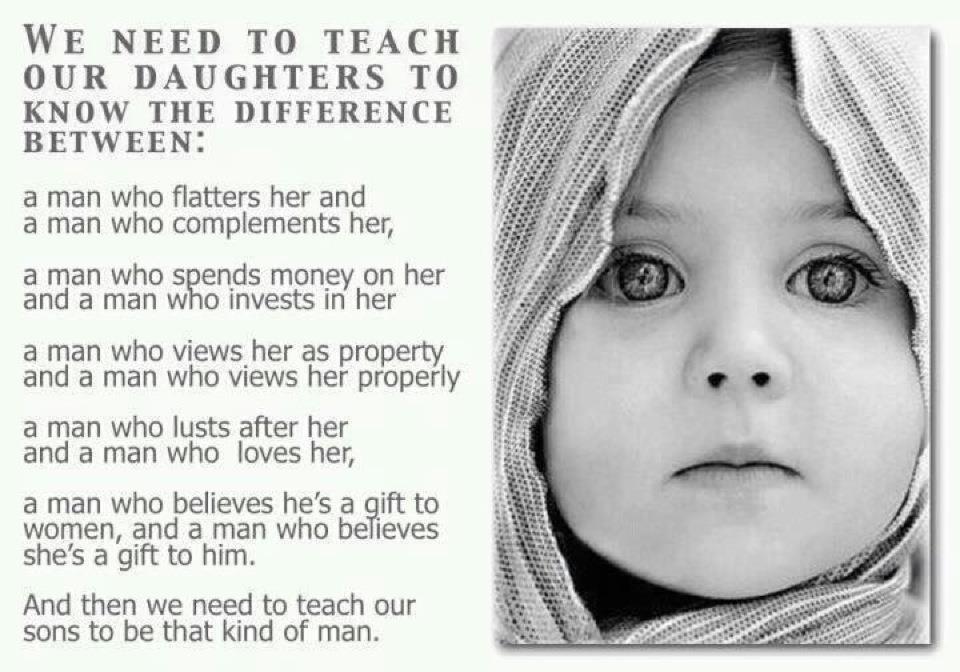
Real men aren’t defined by their hormones or their sexual history.  They’re defined by the way they treat the people around them, especially the ones who are most important in their lives.
Got a moment? Help me make my book free on Amazon.

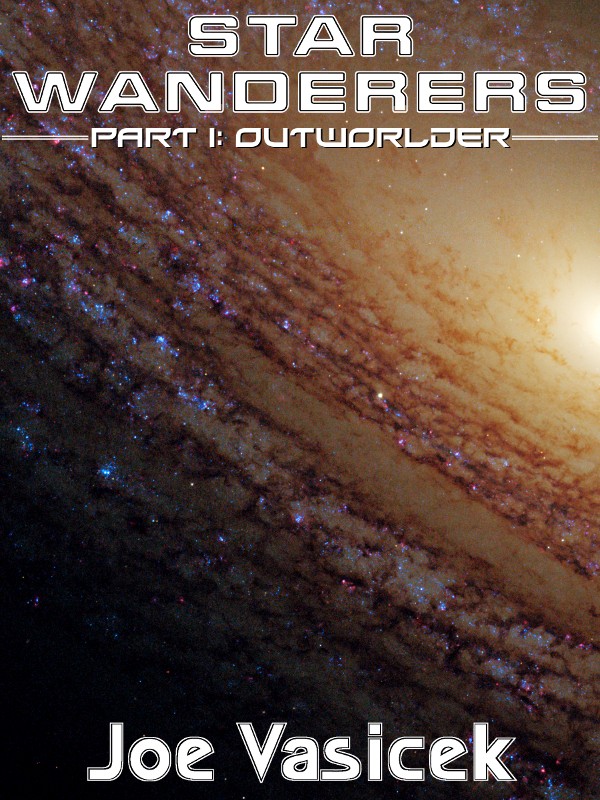
So Star Wanderers: Outworlder (Part I) is available for free now on Kobo and Smashwords (it’s also free on a couple of other sites, but hasn’t yet updated to the new version–see Monday’s post for the explanation).  I would like to make it free on Amazon, too, but I need your help!  Here’s what I need you to do:

Step 1: Copy this URL

http://www.kobobooks.com/ebook/Star-Wanderers-Outworlder-Part-I/book-OkUwT3TLcE2GfBP8sCDHHA/page1.html

It’s the page for the book on Kobo.  Amazon doesn’t usually price match to Smashwords, but if you want to be extra awesome you can do that too.

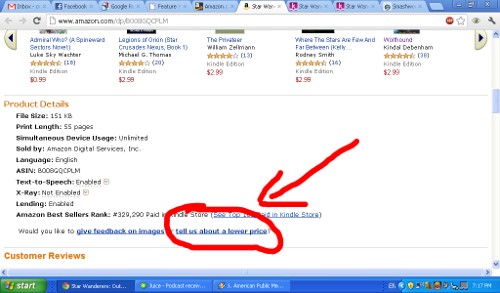
Step 2: Go to Amazon and click on “tell us about a lower price”

Open a tab in your browser and navigate to the Amazon page for Star Wanderers: Outworlder (Part I). Above the customer reviews section and below the “Customers Who Bought This Also Bought” is a section labeled  “Product details”:

Click on “tell us about a lower price,” and a small window should pop up.

Step 3: Fill out the details and click “submit feedback”

The window should be pretty self explanatory.  It basically asks you where the book is selling for less, and how much it is selling for.  Select the option for the online store, paste the Kobo URL into the appropriate field, and fill out the price/shipping details:

It shouldn’t take more than a couple of moments.  After that, you’re done!

If you could do that for me, I would really appreciate it.  Amazon’s bots are sporadic and unpredictable, but if a whole bunch of different people (from different ISPs using different Amazon accounts) tell them that a book is free, they’re more likely to price match.

If you’re an Amazon customer and use the UK, French, German, Spanish, or Italian stores, it would be even more awesome if you could help me out!  I’ve never been able to get any of my titles to price match on those stores, though I’ve certainly wanted to.  Here are the links for Star Wanderers: Outworlder (Part I):

So why would I want to give this book away for free?  Well, Star Wanderers: Fidelity (Part II) is already out, and the next two installments should be out in a few months as well.  Plus, I figure that people who read this and enjoy it will be interested in checking out my other titles as well.  I’ve already made Sholpan and “From the Ice Incarnate” permanently free, and it’s helped a lot to drive attention to my other works.

So thanks for your help!  I really appreciate it.  I don’t have anything to give you for taking the trouble, but if all works out, you might be able to download a free ebook soon. 😉 Enjoy!

Star Wanderers: four novelettes or a novel in four parts?

So my plans to publish Star Wanderers have run into a little snag…Part II was rejected for distribution to iTunes, Sony, and other retailers, with an order to unpublish both parts and republish them as one work.  The order probably came because of this clause in the Smashwords Terms of Service:

9d. You further warrant the book represents a complete work:
• this is not a work-in-progress;
• the uploaded file is not a partial sample or sample chapter, or is not a collection of sample chapters, or not simply a catalog advertising other books
• the uploaded book represents a complete story with a beginning, middle and end; not a short serial

Now, I do not believe that I have knowingly violated any part of the agreement.  Each installment of Star Wanderers is a complete 15,000 to 17,000 word novelette with its own arc, including a beginning, middle, and end.  I have finished all four installments and only need to revise them before publishing, hopefully in a couple of months.  None of them contain sample chapters from any other work.

However, up until now I have seen this story mainly as a novel published in four parts, kind of like how Tolkien originally intended Lord of the Rings to be one giant book, published in three parts.  In my mind, “a novel in four parts” and “a series of four novelettes” are not mutual exclusive.  Apparently, Smashwords doesn’t think so.

All this makes me wonder, though: should I just drop my plans to publish this as a whole novel and instead keep it as four separate novelettes?  I intend to write a parallel series of the same events from Noemi’s point of view, and may expand that to include other viewpoint characters.  Maybe I should wait to novelize this series until I can include other scenes and chapters, turning it into a substantially different work.

This kind of puts me in an awkward position, though.  I’d originally planned to drop the price of Part II to $.99 after Part III comes out, and Part III to $.99 after releasing Part IV.  The idea was to keep the total price of all four parts below $4.95, the price point I’ve chosen for all my other novels.  But if Star Wanderers in its current form remains a series of four novelettes, it doesn’t make a lot of sense to drop the price of any one of them below $2.99 (except for the first one, which I still intend to make permanently free).

If I have to make a choice between unpublishing parts I and II of Star Wanderers and publishing it as one novel, or simply repackaging the parts that are out as separate and distinct works, I’d much rather do that.  It seems a truer reflection of the overall story structure, and gives me a lot more flexibility to add more in the future.

This is a pretty big shift, though, and I worry it may offend readers who expected me to drop the price according to the previous plan.  I really don’t have any excuse for that: it’s entirely my fault for misreading the Smashwords TOS, and I apologize.

For newsletter subscribers, though, I still plan to make each subsequent release available for free for the first two weeks following publication.  That’s a promise I made to my readers, and I’m not going to go back on it, no matter what I end up doing.  And if I do repackage Star Wanderers as a series of novelettes instead of a novel in four parts, I’m not going to make any substantial changes to the actual story of Part I or Part II–just the titles, and possibly the author’s note at the end.

All of this is still in the air, though, so if you have any ideas or suggestions to offer, I would very much like to hear them.  I still have a lot to learn as a writer, and the publishing landscape is changing so quickly that I really have no idea what I’ll be doing even a year from now.

The only thing I know for sure is that I’ll still be writing.

Quick summer update

So I just finished a quick 2.0 draft of Star Wanderers, and there still seems to be something missing.  Not sure what it is, but I probably need to take a break from it for a while and focus on something else.

Working on it has really drained me, which is one of the reasons why I missed the Trope Tuesday post this week–sorry!  I’ll try to get something up this coming Tuesday, though I can’t make any promises since I’ll be at Cape Cod on vacation with the family.

I’m not sure whether to take a break for a while or to throw myself into another project, but I’m going to take it easy this next week and focus on  having a good time with my family.  That’s the main reason why I came back to the States, after all.  But one thing I do want to do is read more, so I’ll definitely be spending some time with my kindle while on the beach.  Expect to see a few reviews here shortly.

I can’t really say which project I’m going to pick up next, but I’m going to take a break from Star Wanderers for a while.  Don’t worry–Part III will be out no later than October, possibly sooner depending on any number of things.  Taking a break from this story will help me come back to it with a fresh perspective.  And who knows?  I might write something really awesome in the meantime.

That’s just about it for now.  If updates are sporadic for the next week, it’s because I’m on the beach somewhere, reading a good book. 🙂

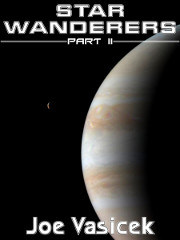
Star Wanderers: Part II is now published!

The next installment of Star Wanderers is now up on Amazon, Smashwords, and Xinxii!  In a couple of weeks, it should be up on Kobo, iTunes, and Barnes & Noble as well.

This continues the story of Jeremiah and Noemi, a boy and a girl from completely different worlds who end up married by accident after a deadly famine drives her away from her home.  Neither of them speak the same language, but they eventually come to an understanding of each other and figure out how to make things work.

In Part II, though, all that is put to the test.

It’s available right now for $2.99, but if you sign up for my email newsletter in the sidebar, I’ll send out a Smashwords coupon code at the end of the week that you can use to download it for free.  Part I is already free on Smashwords, and should be free soon on the other sites as well.

Part III needs a lot of work, but I should be sending the rough version out to my first readers pretty soon.  Once I’ve gotten their feedback, it shouldn’t take more than a few weeks to get it finalized and ready for publishing.  After that, it’s just a matter of finding proofreaders and formatting it, which doesn’t take long at all.

That’s about all for now.  I hope you enjoy it–and if you do, please share!

Alright, hit me up…

I’m just about ready to release Star Wanderers: Part II–the story’s been revised and proofread, the cover art is finished, the formatting is ready to go–all that’s left is figuring out the book blurb.  Which is where I could use your help!

Here’s what I’ve got so far.  What do you think?

IS FIDELITY WORTH THE PRICE OF FREEDOM? CAN LOVE TAKE ROOT BEYOND THE STARS?

Oriana Station: a bustling frontier settlement between the Outworlds and the Coreward Stars. A popular port-of-call for free traders and independent starfarers alike—and the latest target in the aggressively expansionist plans of the Gaian Empire.

Life was simple for Jeremiah and Noemi before they arrived. Though neither of them speak the same language, they’ve reached an understanding of each other that goes beyond words. But when the colonial authorities make them into second-class citizens of a fractured empire, even that might not be enough.

Their newfound friends in the immigrant community can only do so much. With Noemi and her people depending on him, Jeremiah must find a way back to the Outworlds—before they lose everything that they came for.

I’m going with the family on vacation at the end of the week, but if all goes well, I should have it released before then. Newsletter subscribers will be able to download it for free on Smashwords for the first two weeks, and I’ll make Part I available for free while pricing Part II at $2.99.  When Part III comes out, I’ll drop the price to $.99.

In other news, I typeset and formatted Bringing Stella Home for CreateSpace this morning, and ordered the proof just a few hours ago.  With luck, it should come in the mail by the end of the week.  This is the third book I’m releasing in print, and the last one for the rest of this year.  I’ll be sure to post pics and links for where to get it once it’s ready.

In still other news, the Mars landing was totally worth staying up for last night.  A truly awesome moment for the whole human race.  And yes, I’ve been using this excuse all day.

Hey, at least I got the blurb done! :p

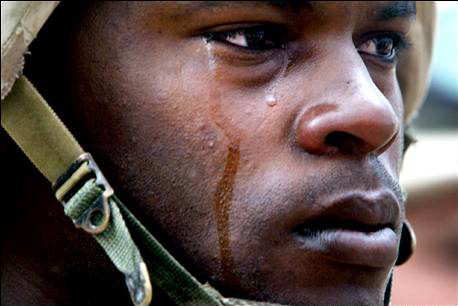
When men cry, or in defense of damaged characters

I recently read an amazing blog post by Shannon Hale titled “Why boys don’t read girls (sometimes).” In it, she makes a number of excellent points about how our society stigmatizes boys who read “girlie books,” and why that’s harmful.

Perhaps the most moving part of the post was at the end, where she described an experience at one of her book signings where she saw a boy hanging back and asked him if he would like her to sign one of his books.  The boy’s mother jumped in and said “yeah, Isaac, would you like her to put your name in a girl book?” The boy’s sisters all laughed at him, shaming him for reading anything that ran against their strictly defined gender roles.

In direct contrast to Shannon Hale, Dave Farland released a “daily kick” newsletter a couple of days ago where he advises writers to never let their characters cry.  In it,  he states:

Whatever problem [the character has]—whether terminal disease or sociopathic neighbor or anything else—the problem must be faced with courage. This means that your character can’t cry about it, no matter what the source of pain…Any time that a character breaks down, we as an audience may cast judgment upon that character.

Now, I have nothing but respect for Dave Farland.  I’ve been following his “daily kick” emails for years, attended dozens of his convention panels, and even interviewed him once for an online magazine.  He’s been a very influential writer to me personally, and his advice has had a huge impact on my writing.

But on this issue, I think he’s dead wrong.

Even if you don’t have any problem with the idea that men should never cry–a disturbing belief that harms men by forcing them to hide their true feelings, and harms women by teaching men that compassion and empathy are signs of weakness–even if you’re comfortable living in a culture that accepts this belief, there are still instances where having a man cry in your story can be both moving and poignant.

Cross his woman, and he’ll blow your brains out–quoting scripture while he does it.

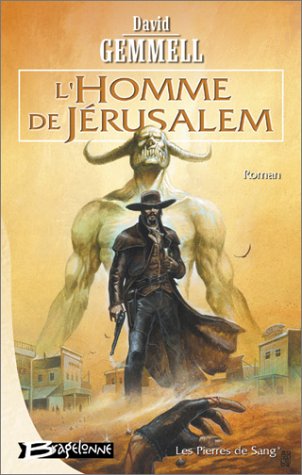
The best example of this that I can think of comes from David Gemmell’s The Jerusalem Man.  No one–and I mean no one–writes manlier heroes than David Gemmell.  And among his characters, Jon Shannow ranks as one of the manliest.

In The Jerusalem Man, Jon Shannow is a lone gunman roving the post-apocalyptic wastelands of Earth on a spiritual quest for the city of Jerusalem.  Near the beginning of the book, he comes across a frontier woman under attack from bandits.  He stops to defend her homestead, and she shows her gratitude by inviting him into her bed.

Jon Shannow is a middle aged man, but because of the post-apocalyptic setting, this is his first sexual experience, and it moves him to tears.  For me, that was one of the most poignant moments of the book.  It didn’t take away anything from his masculinity throughout the rest of the story–indeed, it added significantly to it when the woman got kidnapped and he determined to rescue her.

I’m sure there are other examples that you can think of.  Certainly in real life, this notion that men should never show their feelings is both harmful and outdated.  To say that in fiction, no characters should ever cry–female characters as well as male characters–that’s just so wrong it’s infuriating.  If crying is so taboo that it’s even forbidden in the pages of a book, then something is wrong with the culture, not the story.

In 2008, I attended a fascinating panel at LTUE in which Tracy Hickman and a number of romance and fantasy writers discussed how to write romance in science fiction and fantasy.  Tracy explained that in all the novels he writes with Margaret Weis, she does the fight scenes and he does the romantic ones.

He then went on to talk about how there’s a whole side of life that our culture has shut men off from–a feminine side which is present in all of us, men as well as women.  The way he explained it, romance is not just the “kissy bits,” but a vital and enriching way to see the world–a paradigm that infuses everything with feeling and passion.

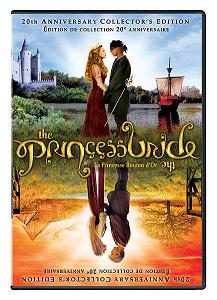
It makes me think of The Princess Bride, where even the action scenes with Inigo Montoya have a certain romantic flair to them.  In the old days, the term “romance” described not only love stories, but action & adventure stories as well.  In modern times, we seem to have forgotten all the old qualities like honor, love, sacrifice, loyalty, heroism, and compassion–even though they still make for the best stories.

Of course, our characters need to have courage.  But courage is not the absence of fear–it’s pressing on in spite of it.  And crying is not always a sign of weakness–it can actually be a sign of great emotional strength.  And if it’s true that the best literature helps us to see our world in a new light, giving us a greater understanding and appreciation for the human condition, how is it “courage” for anyone to hide their true feelings?

So do the characters in my stories cry?  Hell, yeah!  I don’t have them hide their feelings just because some readers might look askance.  Some of them cry more than others, and many of them don’t hardly cry at all, but those who do cry do so because the story demands it.

Even though I write science fiction, I do my best to infuse my stories with romance–not just the “kissy bits,” but that depth of feeling and passion for life that made me fall in love with books and reading in the first place.  Star Wanderers is a great example of that, and so is Desert Stars.

And yes, in case you’re wondering, I’ve read a lot of “girlie books.” They’re some of my all-time favorites.

New print proof and an update on Star Wanderers

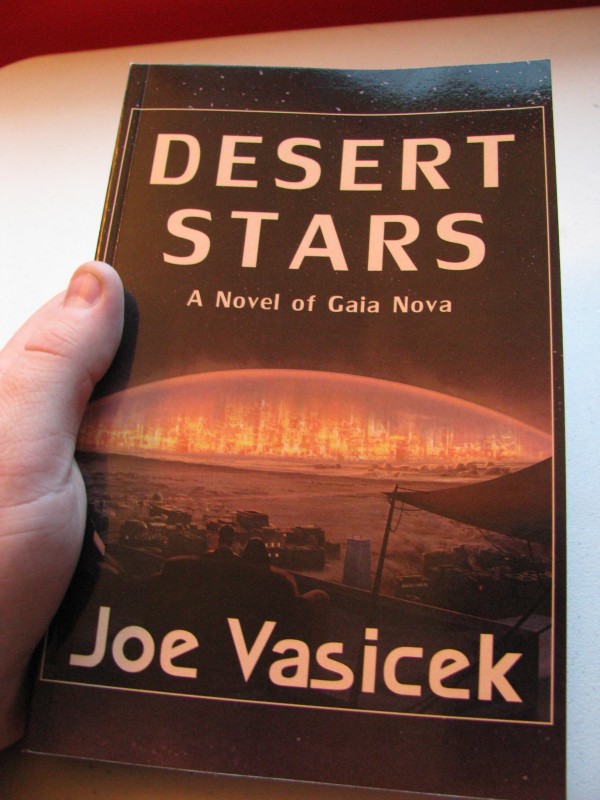
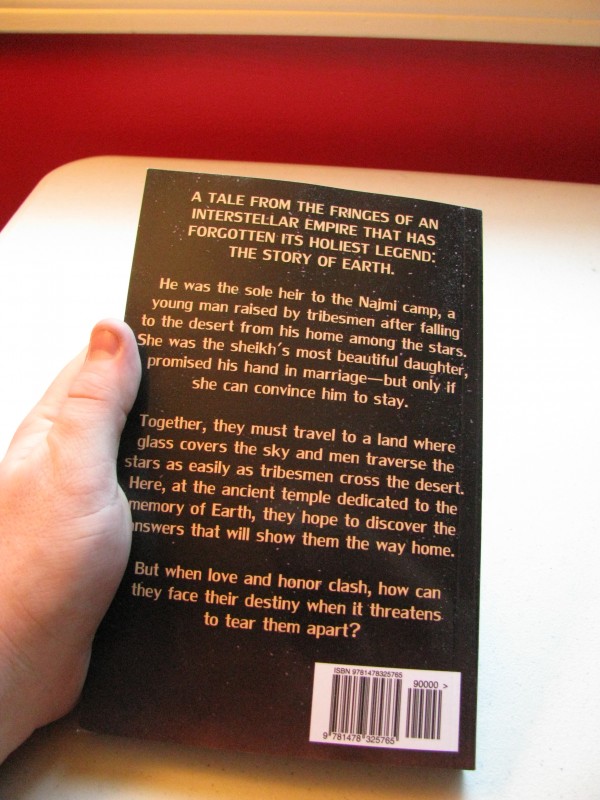
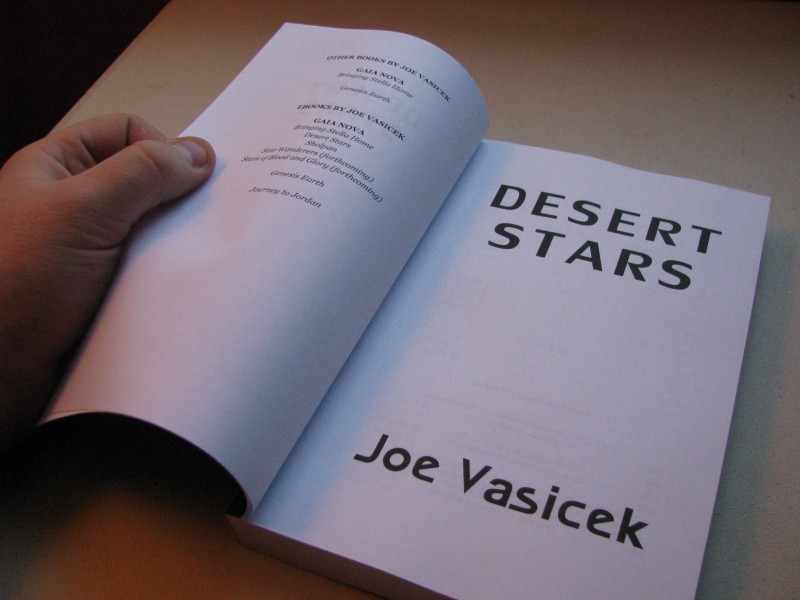
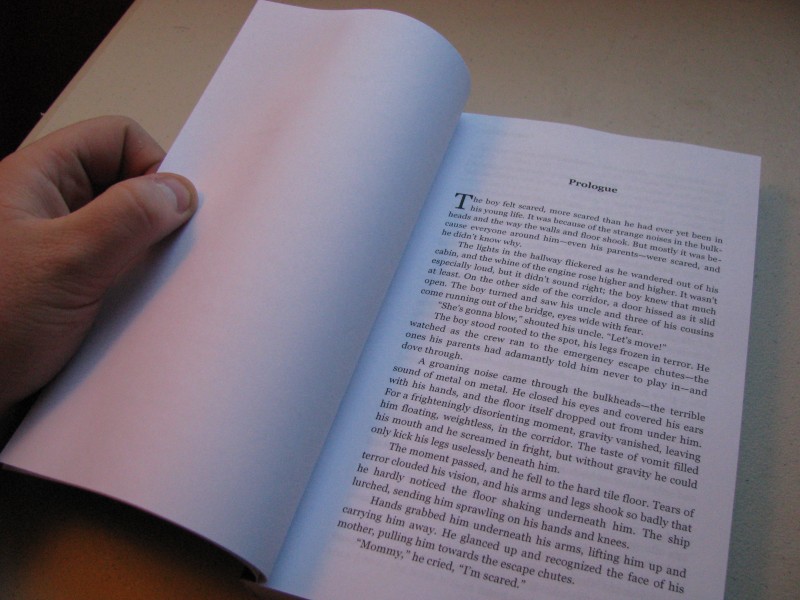
So the proof for Desert Stars came in the mail today, and it looks great!

The front cover.
The back cover.
Title page.
First page.
No matter how much I do this, it never gets old. 🙂

It’s available now from CreateSpace, if you want to pick up a copy.  If you’d rather buy it on Amazon, it should go live there in a few days.  And if you want to buy an autographed copy of this one or Genesis Earth, let me know ASAP: I can order author copies and ship them wherever you want me to, but I’m leaving again for Georgia at the end of August, so I can only do that for the next two or three weeks.

As for Star Wanderers: Part II, I finished the major revisions just yesterday, and plan to go through it again this next week before publishing, mostly to fix typos and get it ready for publication.  There weren’t too many story issues, but my first readers helped me to see a couple of areas where things were unclear (especially Laura–thanks for the awesome feedback!).

After going through this latest draft, I’ve got to say I am way excited to finish Part III and Part IV.  It’s going to take a little more work, and it’ll definitely need some feedback before publishing, but I think I can have the first round of revisions done before the end of August.  A couple of scenes are missing, and there are some key elments I need to change, but I definitely know where this story is going and I’m excited to tell it!

That’s about it for now.  I’ve gotten some initial feedback from my first readers on Stars of Blood and Glory, and so far it’s been surprisingly positive.  I may post the prologue here for you guys, or release it as an extra through the newsletter.  The unpublished prologue for Bringing Stella Home would also make good newsletter content too, come to think of it…

Electronic publishing is like playing a really awesome video game.  Once things get going and you really start getting into it, you just don’t want to stop!

Trope Tuesday: Belly of the Whale

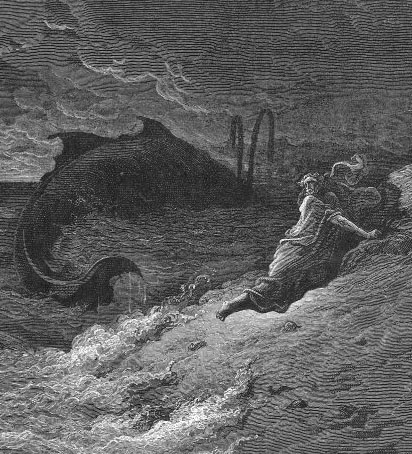
The last stage in the departure phase of the hero’s journey is called the Belly of the Whale, after the Biblical story of Jonah.  After receiving the call and passing the threshold to the land of adventure, the hero faces what may quite possibly be the darkest hour of his life and dies in some way to the home he has just left behind.

I know what you’re thinking: “Huh? Why does the hero die at the beginning of the story?  Isn’t that supposed to happen later?” Well…yes, it does, but the symbolic death at this point is important, too.  At its core, the hero’s journey is a story of transformation and growth.  When the hero comes back from the lands of adventure, he isn’t the same person he was when he first left–he’s been changed in some way.  And in order for that change to take place, the hero needs to let go of who he was and move forward.

Joseph Campbell describes it like this:

The idea that the passage of the magical threshold is a transit into a sphere of rebirth is symbolized in the worldwide womb image of the belly of the whale. The hero, instead of conquering or conciliating the power of the threshold, is swallowed into the unknown and would appear to have died. This popular motif gives emphasis to the lesson that the passage of the threshold is a form of self-annihilation. Instead of passing outward, beyond the confines of the visible world, the hero goes inward, to be born again.

Of course, the death and rebirth doesn’t have to be literal (though it can be, as it was with Dionysus).  The point is to show that the hero has fully crossed the threshold, cutting all his ties with home and burning his ships on the shores of the land of adventure.  Once the hero passes through the belly of the whale, there’s no going back–it’s all or nothing now.

So how common is this trope really?  Actually, it occurs more often than you might think.  In Harry Potter and the Sorcerer’s Stone, it happens when Harry boards the Hogwarts Express and realizes he’s leaving his old world completely behind.  It happens in The Lion, the Witch, and the Wardrobe when Peter and the others decide to go after Mr. Tumnas instead of returning to their own world through the wardrobe.  It happens in Star Wars IV when the Millennium Falcon gets sucked into the Death Star, and in Final Fantasy IV when Cecil washes up in Mysidia.

The main theme running through all these examples is that adventures are hard.  If they were easy, anyone could go on them–and no one would be changed by them.  They may be fun, and they’re definitely worth it, but to set out on one, you always have to give up something close to you–and that’s hard.

My mom gave my book three stars

Some people complain about how indie authors hit up their friends and family to give them five-star reviews…well, last week I gave the Createspace proof for Genesis Earth to my Mom, and today I noticed that she posted a three-star review for the book on Goodreads. 😛

It’s a cute one, though.  This is what she said:

Sci-fi is not my genre, but the author is my own son! I read it in 2 days (fast, for me); after page 100, I did not want to put the book down. Had to see what would develop–see the story. I’m hosting the author at home for a few weeks, so it has been fun to discuss his characters, etc. in person. I look forward to more discussion.

I posted this on the Kindle Boards just for laughs, and the guys over there agreed that it’s pretty hilarious.  A few of them suggested I rate her cooking!  But don’t worry, Mom, I’d give it at least a 3.5. 😉

In all seriousness, my Mom’s actually been really supportive of my writing, and I really appreciate that.  She is a tough (if loving) critic, though, so I’m sure she’ll keep me on my toes.

The most hilarious thing about this is that her catchphrase growing up was “suffer!”