Trope Tuesday: I Choose To Stay

The hero’s journey can be divided into three basic phases: departure, intiation, and return.  In the departure phase, the hero receives the call to adventure and eventually leaves the familiar world.  In the initiation phase, the hero passes through a series of tests and trials eventually leading up to the climax and final confrontation with the Big Bad (if there is one).  But after the hero wins and receives the ultimate boon (aka MacGuffin), there’s nothing left except to go back home and share that boon with the rest of mankind.

Except…after having such an awesome adventure, he just doesn’t wanna.

Joseph Campbell called this stage the Refusal of the Return.  It’s a lot like the Refusal of the Call in the departure phase, except in reverse: instead of being reluctant to cross the threshold of adventure into the unfamilar world, the hero doesn’t want to cross the threshold in the opposite direction going back home.  Campbell put it this way:

When the hero-quest has been accomplished…the adventurer still must return with his life-transmuting trophy. The full round, the norm of the monomyth, requires that the hero shall now begin the labor of bringing the runes of wisdom, the Golden Fleece, or his sleeping princess, back into the kingdom of humanity, where the boon may redound to the renewing of the community, the nation, the planet or the ten thousand worlds.

But the responsibility has been frequently refused. Even Gautama Buddha, after his triumph, doubted whether the message of realization could be communicated, and saints are reported to have died while in the supernal ecstasy. Numerous indeed are the heroes fabled to have taken up residence forever in the blessed isle of the unaging Goddess of Immortal Being.

Anyone who’s ever been two years old should know the feeling.  You’re at the playground, having fun, when out of the blue your mom says that it’s time to go.  So what do you do?  Throw a hissy fit, of course!  Grab onto the cold hard steel of the swingset, and don’t let go until she drags you kicking and screaming all the way to the car.

The hero may have fallen with the new world the moment he left his home behind, but he might also have hated it initially.  In stories where the hero actually does stay, this allows the author to give him a character arc: at first, he hated the new world, but gradually he warmed up to it, until by the end he was changed so much by the adventure that he decided to settle down there.

In milieu stories (see Orson Scott Card’s MICE quotient), this often manifests as Going Native, while in stories that are more plot or character driven, it’s more likely to manifest as Can’t Stay Normal.  When the hero eventually comes around and goes home anyway, it frequently morphs into Stranger in a Familiar Land.  The polar opposite is But Now I Must Go, though that trope tends to apply more to side characters than the main protagonist.

Ultimately, however, adventures are like stories: they all have a beginning, a middle, and an end.  The hero may want it to keep on going forever, but that is not this trope.  Even if the hero does stay in the lands of adventure, those lands eventually become his new home.  It just can’t be avoided.

For that reason, there’s an important element of bittersweetness to this stage of the hero’s journey–one which, if done well, can add a crowning moment of heartwarming or turn the story into a real tear jerker.  Or both, actually.  It all depends on how invested the reader is in the story by the end.  If the reader feels like she’s been right there with the hero all this time, then you can expect the tears to flow no matter which way he ultimately goes.

I pretty much played this trope straight in Genesis Earth.  Most of my other books feature a Refusal of the Return moment of one kind or another, but the hero usually ends up going home anyway.  If there even is a home to return to, of course.  I don’t know why, but a lot of my stories are about characters who are searching for home.  Maybe that’s because at heart, I’m still a wanderer.  It will be interesting to see how that changes over the coming years.

The song at the top, by the way, is from Disney’s Tarzan, a movie which plays this trope straighter than most.  In fact, this trope is practically Disney’s bread and butter.
Still here, wherever that may be

Wow, it’s been forever since I’ve been active on this blog.  I guess living in the developing world will do that to you.

It’s not that I don’t have good internet access, it’s that the places where I can get it are often noisy and crowded, with a fair amount of cigarette smoke.  By the time I’ve checked my email, caught up on all the blogs I follow (or at least the interesting ones), and generally finished screwing around done everything else I need to do on the internet, I’m pretty wiped out.

I’ll try to write my future posts offline, like I did in Jordan, so all I have to do is copy and paste.  I can’t really do that with Trope Tuesday posts, but for everything else, it shouldn’t be a problem.

In any case, I’m still here–wherever “here” is.  Currently, it’s Tbilisi.  I came out for the weekend to pick  up a package from the USA…I was hoping to get the new kindle paperwhite, but instead got the case and adapter.  Turns out the actual device is shipping out next week–I’d say it’s a disappointment, but I’m actually just relieved to know that it wasn’t lost in the mail.

Things are going well out here in Georgia.  The village kids are a lot of fun to teach–I basically feel like a rockstar whenever I’m at the school.  It certainly helps that I give out stickers left and right every time someone actually does their homework.  Whenever I pull them out, the kids say “smiley!” and go crazy.

But yeah, even though I enjoy being out here, I figure it’s time for a change.  Like I mentioned in the last post, I’ve accomplished just about all my goals for coming out to Georgia, which mostly had to do with trying out a TEFL career and seeing if it’s a good fit.  I think it is, so I plan to go out again after a few months, but I want to come back to Utah for a while to see some old friends, spend time with family, and recharge before the next big excursion.  That’s the plan, anyway.

As far as the writing goes, things are going, but slower than I’d like.  I’m only in chapter two of The Sword Keeper, which is kind of frustrating, but I think I’ve overcome most of the hurdles and now it’s just a matter of buckling down and doing it.  I definitely think I can have this novel finished before the end of November, which would make it my second novel for the year (third, if you count Star Wanderers I-IV).

In terms of publishing, though, things are looking great.  I found someone to proofread Star Wanderers: Sacrifice, and she should be getting back in the next few days.  If all goes well, it’ll be up on Amazon and Smashwords by Monday the 29th.  Star Wanderers: Homeworld is also getting close–I just need to get the feedback from my first readers and figure out where to go from there.  If there aren’t any major issues, it should be up by the end of November.

I’m debating whether to splurge on the cover art for the omnibus, and if so, who to ask to do it.  This series have a very different feel from my Gaia Nova series, even though they both take place in the same universe.  Not sure what to do for the illustration, or who to ask to do it, but that’s still a few months down the road.

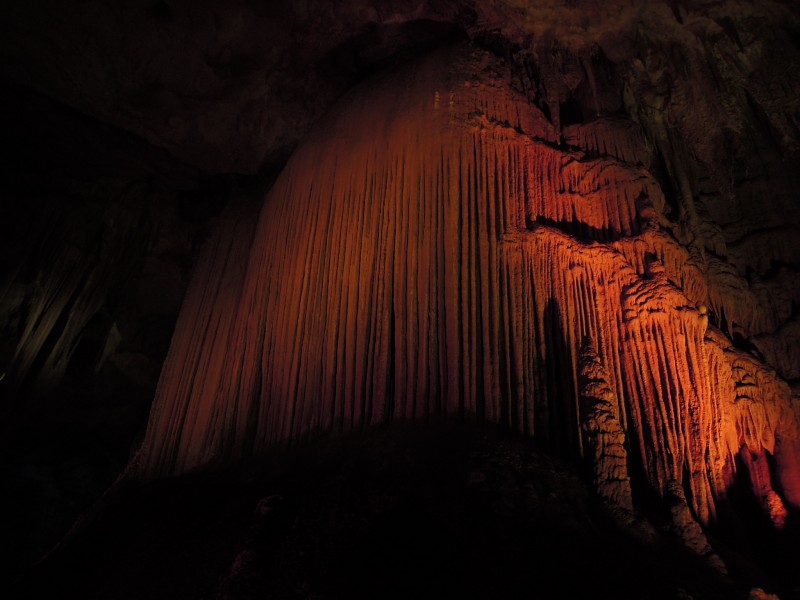
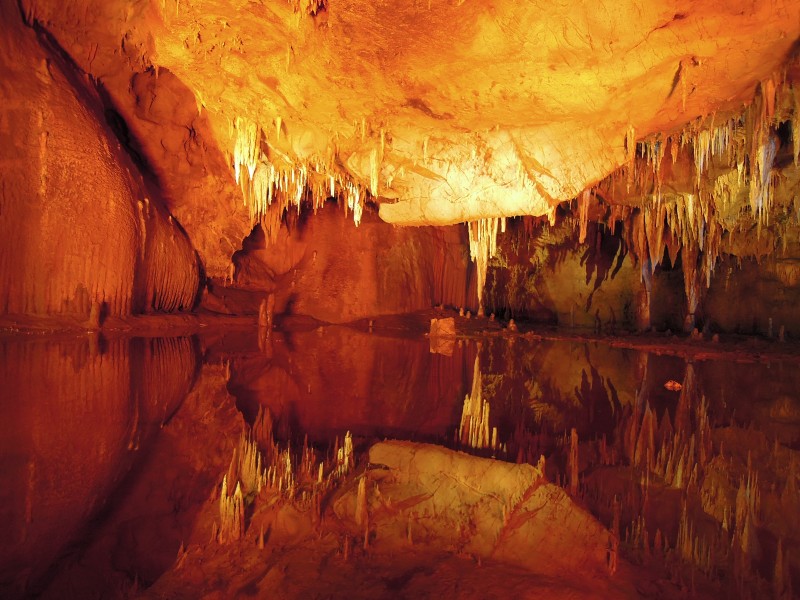
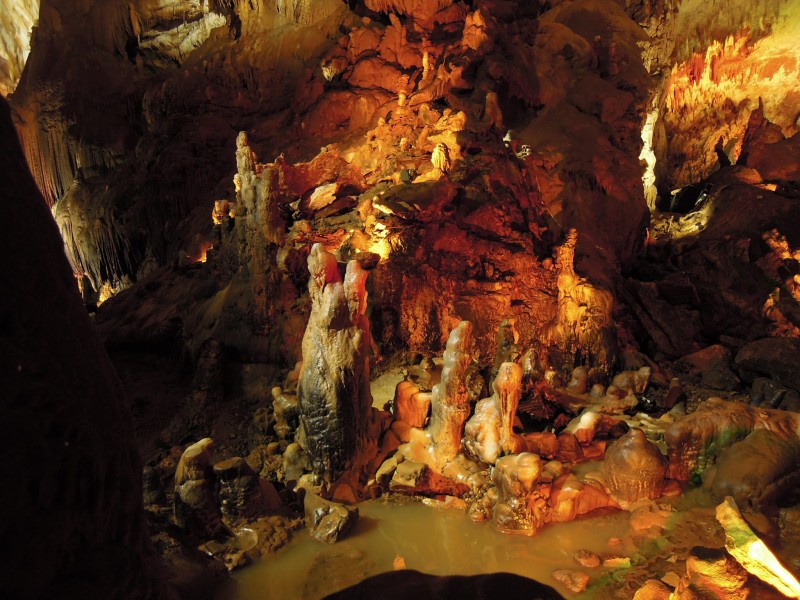
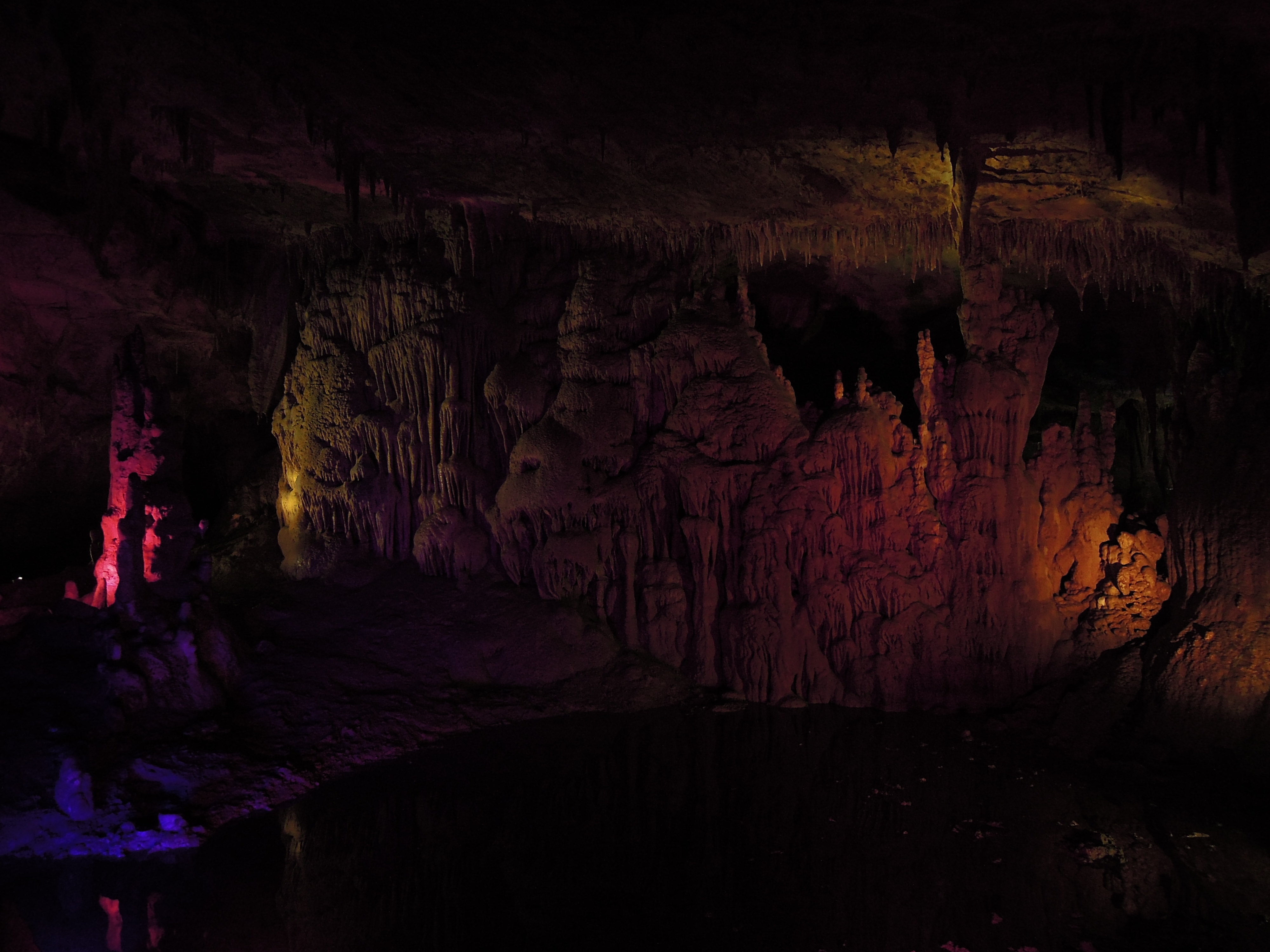
That’s about it for now.  I’ll end with a few shots that my friend took in Prometheus Cave, one of the coolest sites out here in Imereti province.  Imagine about a mile of caverns, brimming from floor to ceiling with formations like these:

Later!

Sairme to Abastumani

So last week was the first week of school here in Georgia, but before I blog about that, I thought I’d do a post on the short backpacking trip I did with a friend of mine the week before.  It was a lot of fun, even if our plans did change about a dozen times along the way.  That tends to happen a lot to plans here in Georgia, but if you’re flexible and can roll with it, you can have a lot of fun anyway.

So our original plan was to go from Baghdati to Sairme, a small resort town in the Lesser Caucasus range just south of Kutaisi, and from there catch a bus over the mountain and hike a few trails out in the western side of Borjomi National Park.

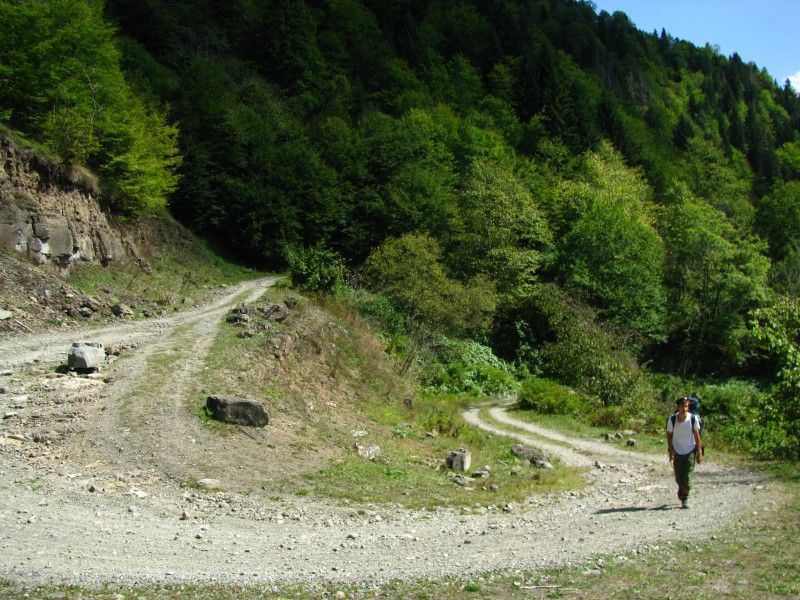
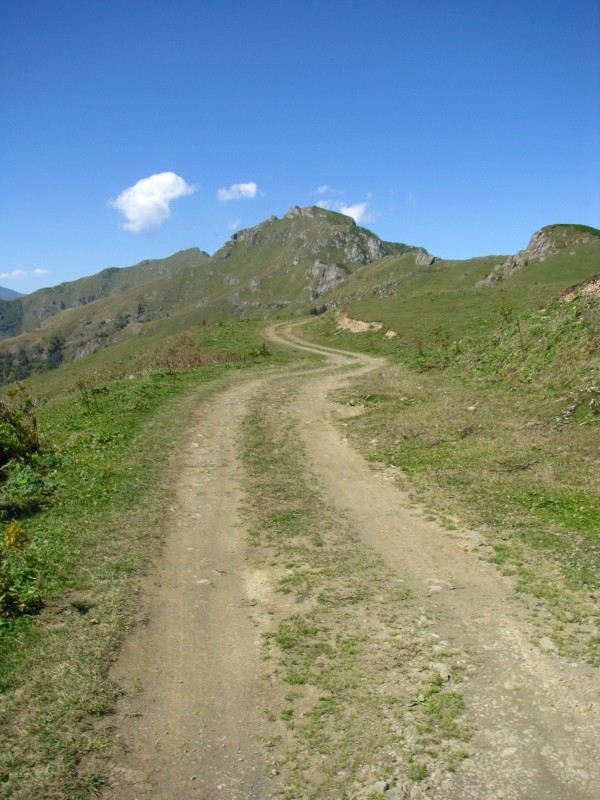
Well, when we got to Sairme, we found that there isn’t a bus that goes over that road, and for good reason.  It isn’t exactly a “road”–more like an unusually wide dirt path.  Farmers sometimes use it, but only because they’re local and it doesn’t make sense to go 80+ kilometers out of the way on the main route from Zestaponi to Surami.

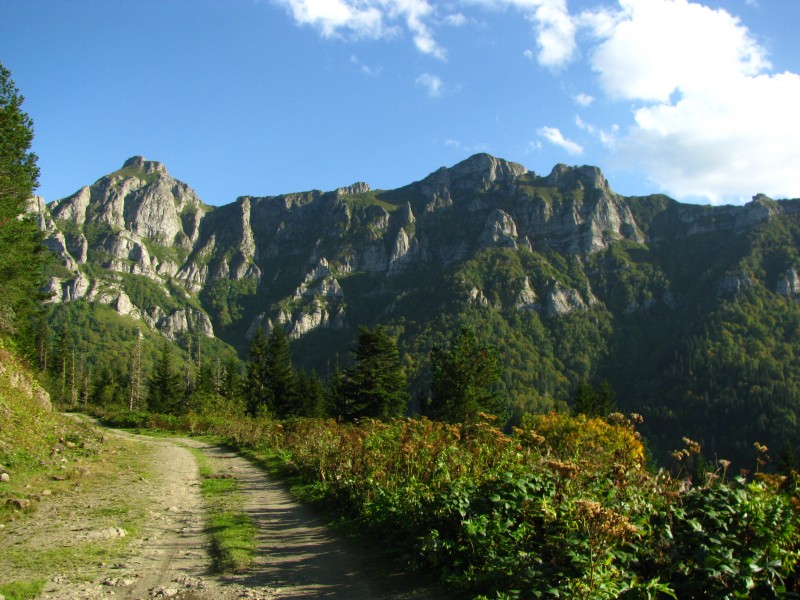
The mountains around Sairme.
The “road” from Sairme to Abastumani.

The locals told us it was about 35 km to walk to Abastumani, so we figured “hey, we have food, sleeping bags, and a tent–why not hike it?”  According to the map, if we left at 1pm and averaged 3 km/hr, we estimated we should reach the pass just around sunset.

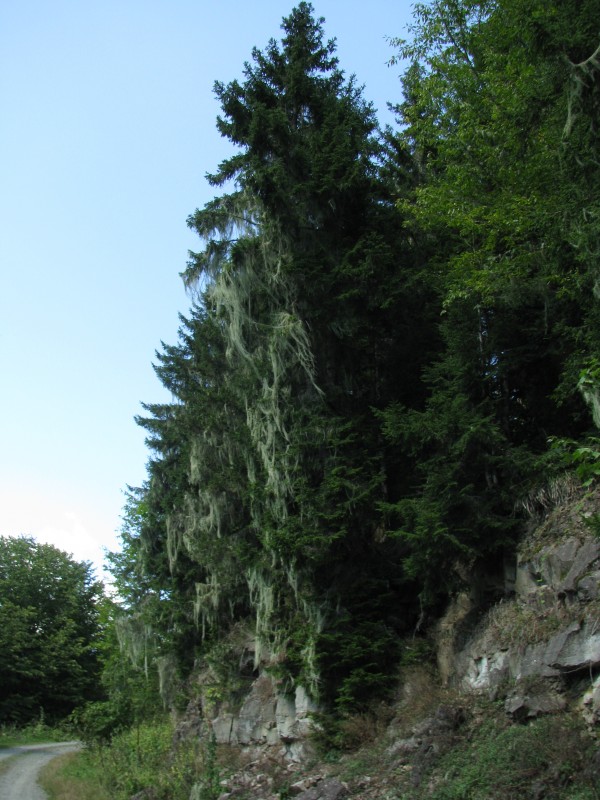
Some interesting moss around the 2,000 meter elevation mark.
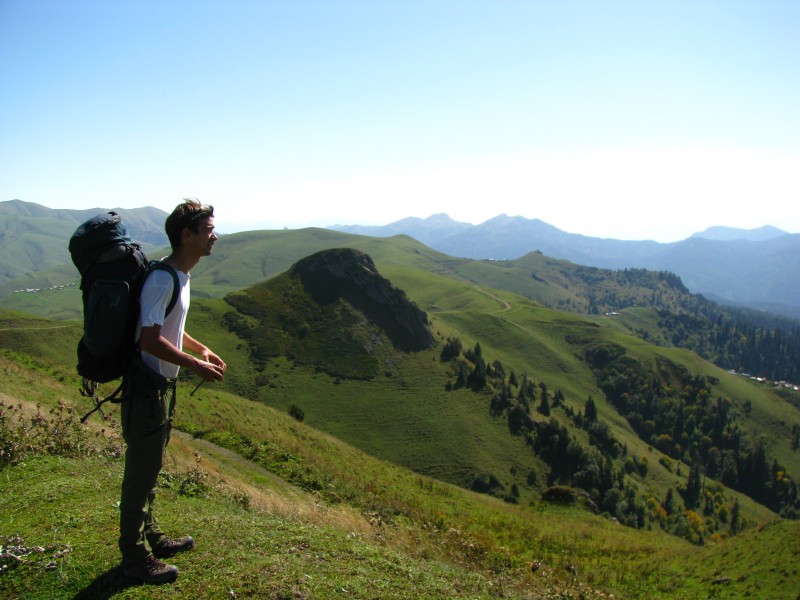
Mount Didmaghali, just above the treeline. We camped about two kilometers from here.

The calculations were fairly accurate; we hiked for about 6 hours, making about 18 kilometers on  the first day and climbing around 1300 meters.  In all that time, we only passed three vehicles, and they were all heading back to  Sairme.  One of them was carrying a bunch of guys who were so surprised to see us, they gave us a giant wheel of cheese.  We gave half of it to a local farmer who looked like he needed it more than us, and ate most of the rest over the course of the next few days.

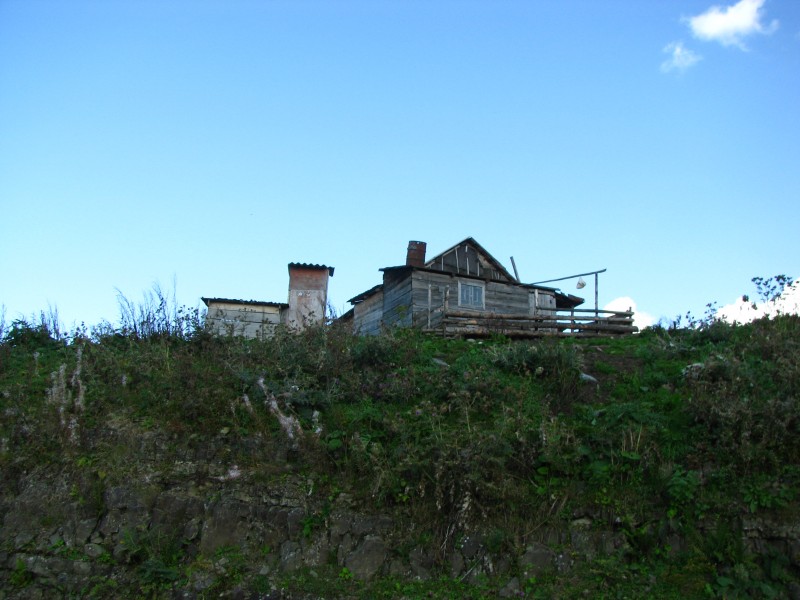
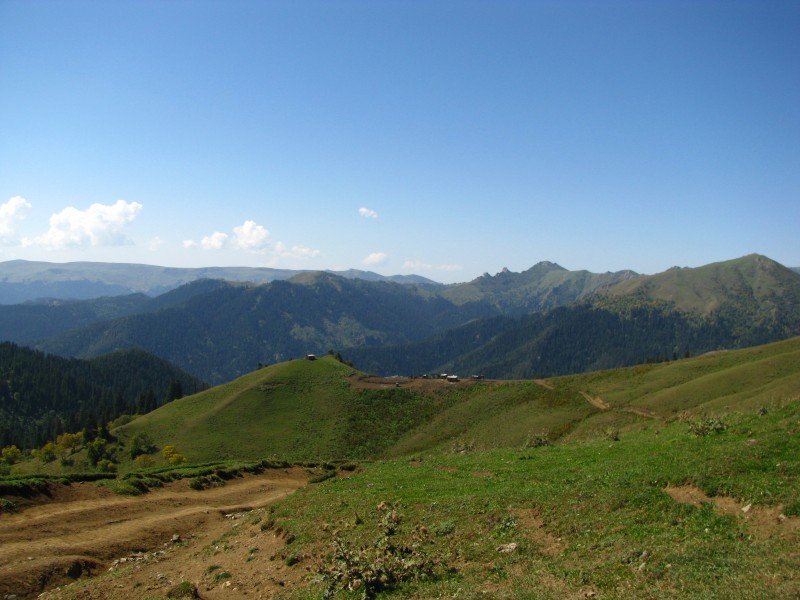
One of the farmers’ huts up above the treeline. The guys who farm here are generally seasonal workers, who live in the valley during the winter.
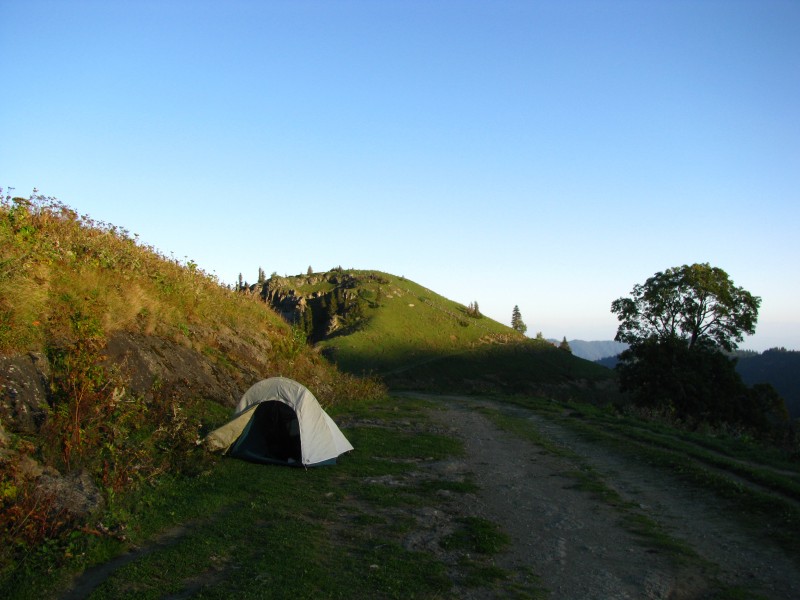
Our campsite, by the side of the road near Mount Didmaghali. It got a little windy at night, but was actually quite comfortable.
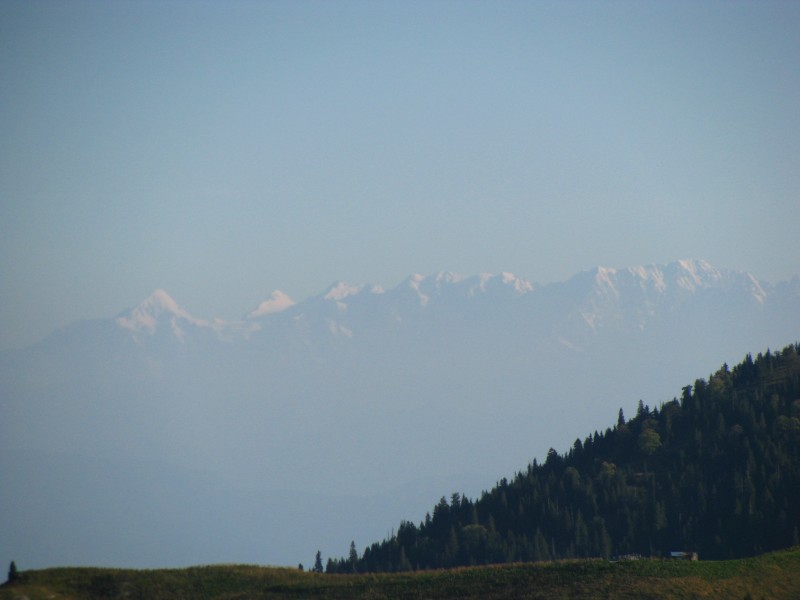
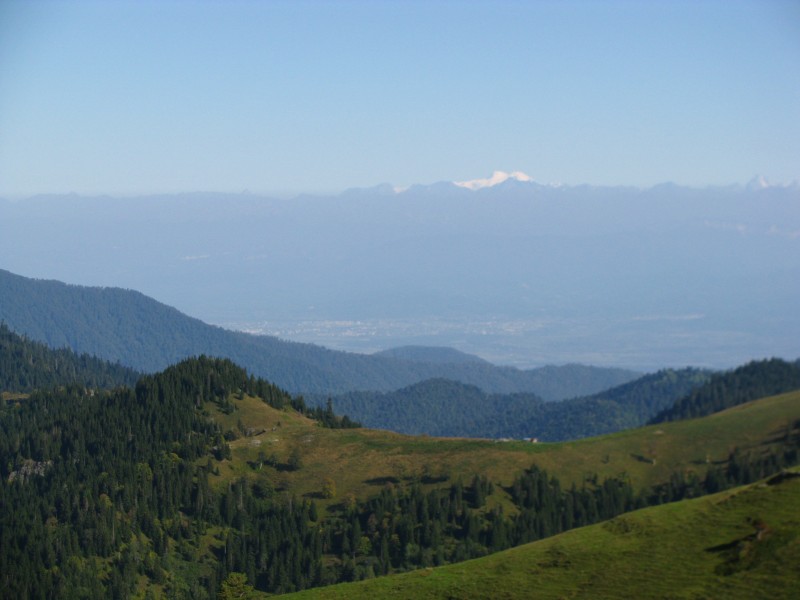
That moment when you realize “OMG, those aren’t clouds–those are MOUNTAINS!”

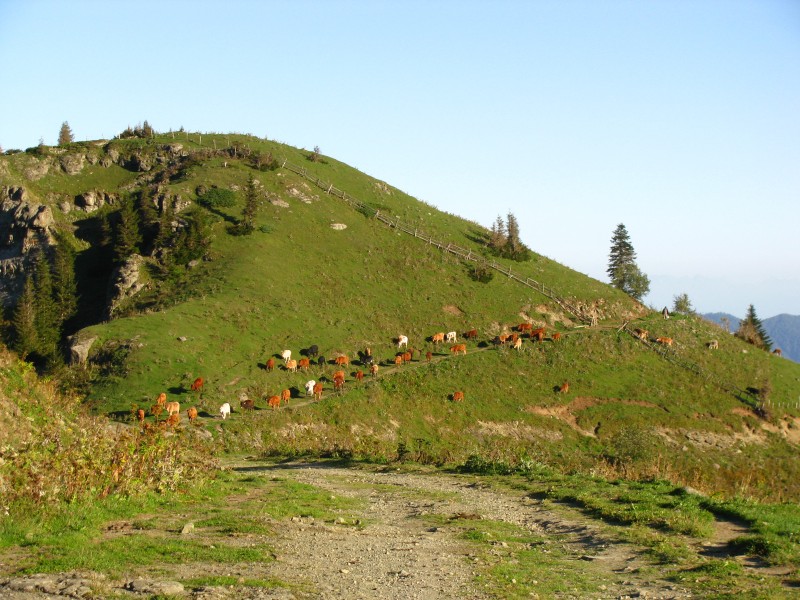
We camped out just above the treeline, next to a hill where a bunch of cows were grazing.  The local ranchers brought the herd back in while we cooked dinner, which was kind of cool.  Imagine a couple hundred cows walking past your tent.  The good thing about being so close to the farmers, of course, was that we didn’t have to worry as much about bears and wolves.

At one moment while we were looking out acros the way we came, the clouds on the horizon began to part somewhat, and I had one of those stomach-dropping moments as I realized that most of those white shapes weren’t clouds, but mountains.  We were looking at the Greater Caucasus range, with Mount Elrus standing above the mountains of Svanetti and a whole bunch of other snow-capped peaks further off to the east.

As the sun sent, the temperature dropped fairly quickly, and the wind picked up a lot.  I wasn’t able to sleep for a few hours, it was so strong.  But the stars were beautiful–at one point, I saw a satellite that was so bright it had to be the ISS.  Cool stuff!

The farmers bringing out the herd in the morning. One of the cows ate some of our bread, which was kind of annoying, but I guess I shouldn’t have left it out. Cows will eat (or try to eat) just about anything!
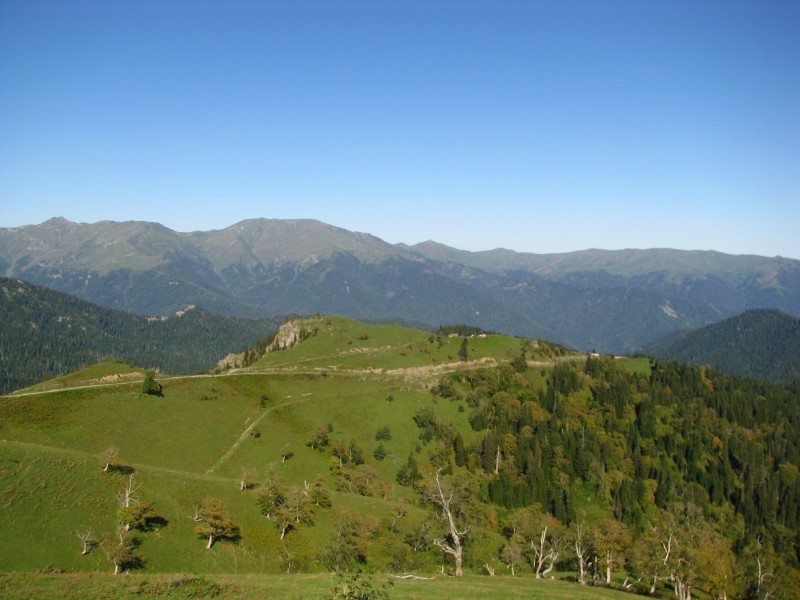
The view from the top of the first pass, just east of Mount Didmaghali. The little hill on the left is where we spent the night.
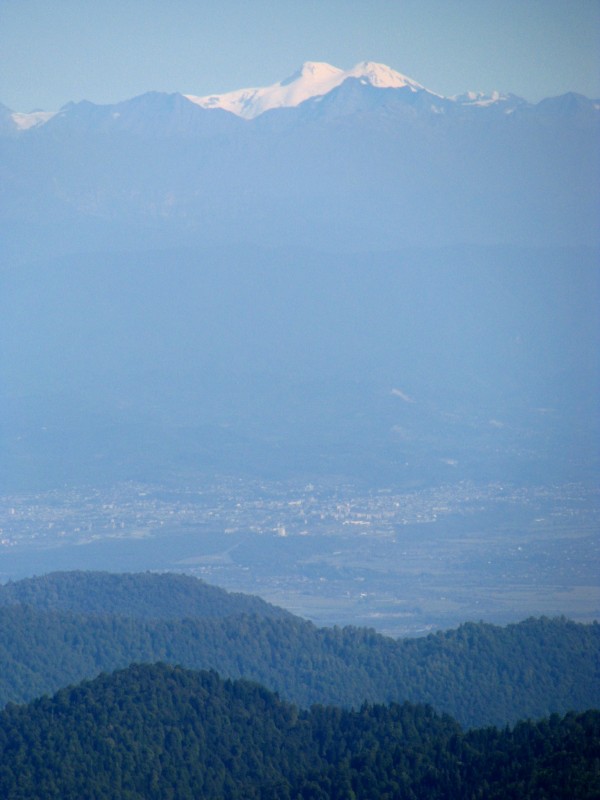
Mount Elrus, with several other major Caucasus peaks below it. You can also see Kutaisi and some other settlements in the valley.
The view from Zedeki pass.

The next day, we had a beautiful hike up to the first pass and over the mountains into Samtskhe-Javakheti.  The weather could not have been more perfect–it warmed up as soon as the sun came up, and was pleasant for the rest of the day.  We had some amazing views, too, especially from the top of the pass.

The road on the other side of the pass.
The view on the other side of the pass. Those are the mountains of Samtskhe-Javakheti, with Turkey and Armenia in the distance.

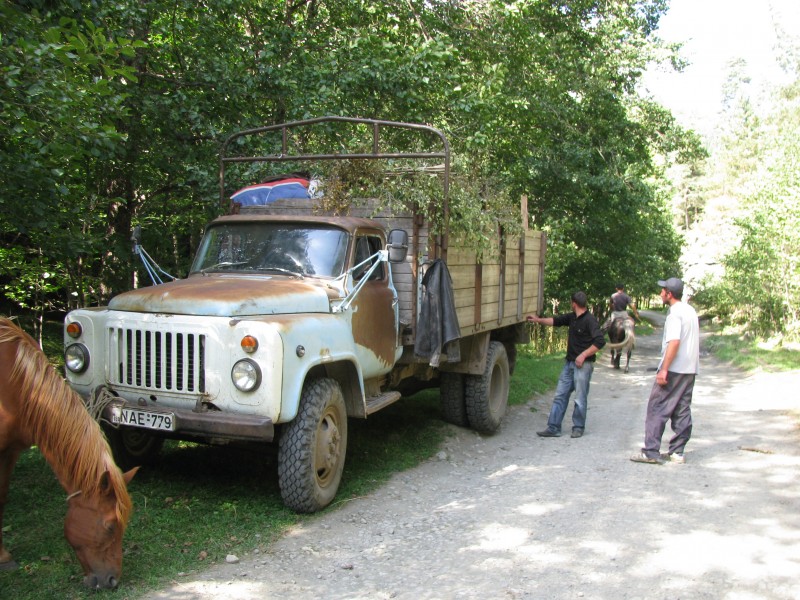
On the way back, we fell behind a bit, so we decided to hitch a ride with a passing farmer’s truck.  The guys were hauling some empty barrels, a bunch of brush, and some calfs, and they put us in the back with the animals.

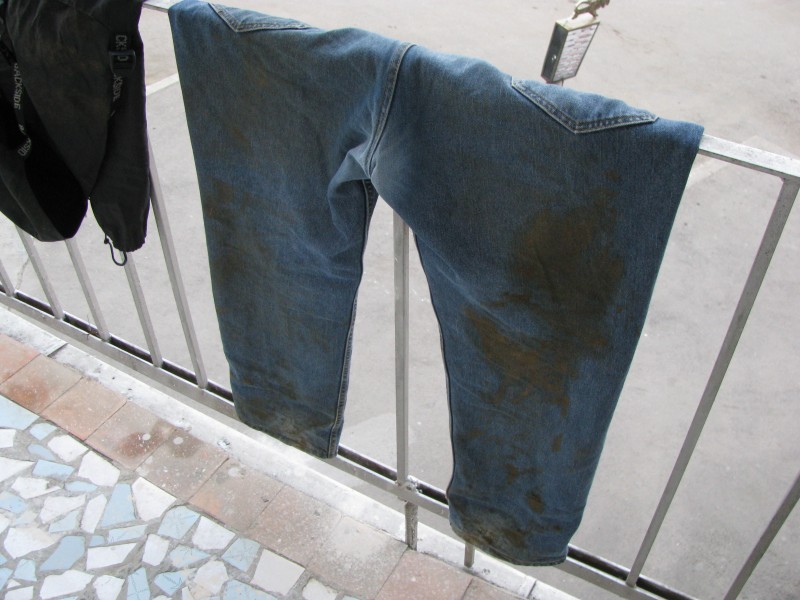
Wow, was it crazy!  The road was so bumpy, literally every other bounce almost threw us off of the truck.  The cage would pull back branches and snap them back so hard, some of them could have knocked us off as well, and the cows crapped all over the place, including the back of my pants.  For most of the way, we had a sheer cliff on one side, and even though there were lots of trees, it was pretty scary, especially at the switchbacks.

In other words, it was an adventure!

The truck that took us down most of the way. Bumpiest ride of my life!
My pants, after the cows got to them.

I wish I had some pictures from the ride, but it was all I could do to hang on for dear life.  After about 45 minutes, my hiking partner had had enough, and demanded that the guys stop and let us off.  My camera had fallen off in the truck bed, but I didn’t realize that until we were back down. Fortunately, we were only about 5 km from Abastumani, and found the guys just outside the settlement.  The camera was still in good shape, and in typical Georgian fashion, they invited us for bread, cheese, and cha-cha.

So it ended up being an awesome two days of hiking and backpacking.  The views from above the treeline were incredible, and the conditions were absolutely perfect–we could not have asked for better.  We spent the next couple of days exploring Akhaltsikhe, Borjomi, and Bakuriani, but I’ll save that for another post later–this one has gotten long enough.

So yeah, it was definitely worth the trouble bringing out all the backpacking gear from the States.  I hope to have plenty of opportunities to use it again before the end of the season!

Quick update and an awesome photo

I’m currently in Kutaisi, about to catch the night train to Tbilisi for church, but I thought I’d post a quick update just to let you know how I’m doing, and what I’ve been up to.

The last few days have been awesome. I went backpacking with a friend of mine from last semester, and we had a blast.  Hiked the pass near Mount Didmaghali between Sairme and Abastumani, up above the treeline.  I’ll do a big post on it sometime next week, with stories and everything (and boy, are there some stories), but before that, I wanted to share this:

That’s Mount Elbrus, the highest mountain in Europe, with the highlands of Svaneti just below it, and Kutaisi in the foreground down in the valley.  The elevation difference is over 5,500 meters (18,000 feet).  The picture is a bit fuzzy because of the haze, as well as the distance between points and the poor quality of my old camera, but it was an unbelievably beautiful day–as evidenced by the clear view of Elbrus’s summit.

Awesome, awesome stuff.  From Zedeki pass, we could see almost the entire Caucasus range, from Mount Elbrus in the west to Mount Kazbek in the east.  The conditions could not have been more perfect.  Covered between 35-40 km (20-25 m) in two days, in a beautiful, remote region between Imereti and Samtskhe-Javakheti where few people, let alone tourists, ever go.

I’ve got to go now, but expect to see a longer post on the trip soon.  School starts on Monday, so things might be a little crazy for a while, but I’m sure they’ll settle down soon into a comfortable and productive routine.  See you around!

Back in Georgia

Hey, just a quick post to let you guys know how I’m doing.

I made it out to the village yesterday, met my new host family and got more or less settled.  Due to some mixups, I ended up in Sairme (WAY up in the mountains) before making it down to Baghdati, but everything worked out well and I got to see some beautiful Georgian scenery at the same time.

My new host family is great!  It’s a 35 year old guy and his mom, living on a farm in a village with all their uncles and cousins and stuff pretty close by.  The guy, Dato, is way cool–he does IT at the school, farms his mom’s place, and otherwise just hangs out in the village.  We played nardi last night–I actually beat him on the first go, then he slaughtered me twice.  Then his aunt played him and things got really entertaining.

The house is WAY different from the apartment where I was living before.  Much more spacious.  It’s a couple hundred years old, though, so the wires are attached on the outsides of the walls and stuff.  We’ve also got chickens all over the place.  I’ll be sure to post some pictures, probably in a week or two.

I think I’ve hit it off pretty well with the family.  They’re impressed that I already know a bit of Kartuli, especially the aunt.  Things got a little tense when I turned down the wine and told them I can’t drink because my religion forbids it, but I don’t think it will be too much of a problem (though this being Georgia, you never know).

The mom is an awesome cook.  This morning, she made one of the best breakfasts I’ve ever had in my life.  The house is old but comfortable, I’ve got all the space and privacy I need, there’s a lot more nature out here in the village–I think I’m really going to like it here.  What’s more, Kutaisi is only a short half-hour marshrutka ride away.

After I’m through here, I’ll walk up to my old host family’s place and drop off some gifts: specifically, some RAM for their broken down computer.  Then I’ll head over to my old school, say hi to my old coteachers, run downtown to pick some stuff up, then head back out to the village.  Tomorrow, I’ll meet up with a friend of mine to get some stuff for camping, then head out the next day to go backpacking in Borjomi or Tusheti.  That’s the plan at least.

Oh, and about the trip to Ani: I tried to get down to Kars, but couldn’t find a bus.  I ended up in Akhaltsikhe, the Georgian border town, but the only way out was to catch a taxi to the crossing ($$$), catch a taxi on the other side to the Turkish town on the other side, and from there to catch a bus down to Kars (about 140 km).  I was traveling alone, didn’t know any Turkish, it was about mid-afternoon and I didn’t have a backup plan, so I ended up aborting and headed back to Tbilisi.

Oh well–it happens.  I’ll try again, though, probably in a few weeks.  This time, we’ll meet up in Georgia, where I actually know how to  get around.

In other news, I bought three author copies each of Genesis Earth, Bringing Stella Home, and Desert Stars before I left the US.  They’re signed and numbered, and if you want to buy one of them, just shoot me an email (joseph [dot] vasicek [at] gmail [dot] com).  The #1 copies are already sold, but the #2 and #3 copies of each book are still available.  You can buy them from me at the current Amazon paperback price, and I’ll have my parents ship them out to you.

That’s all for now.  Take care, and I’ll see you guys around!

I cannot tell you…

…how much I’m looking forward to being back in Georgia.

My flight leaves from JFK on Saturday and arrives in Istanbul at about 6 am on Sunday.  The flight to Tbilisi doesn’t leave for another seven hours, so I plan to take the tram downtown and see some of the sights.  I’ll arrive in Tbilisi late that afternoon, spend the night at a hostel…

…and then take off the next morning for Kars, Turkey.  I plan to meet up with a friend there and go tour the ruins of Ani, ancient capital of Armenia.  I have no idea yet how I’m going to get there, but there should be some buses in Tbilisi or Akhaltsikhe, and from Kars you can charter a taxi.

So after all that, I’ll head out to Baghdati to meet my new host family!  For the fall semester, I’ve been assigned to the school in the village of Rokhi:


View Larger Map

It’s about an hour south of Kutaisi, right up against the Lesser Caucasus mountains, and it looks like an awesome place!  A couple of other TLGers have been there before me, and they tell me it’s really great.  It’s definitely going to be a change of pace, going from city to village, but it’s one I’m looking forward to.  There are only 300 students in the school (grades 1-12), so maybe I’ll learn all my students’ names this time.

The family I’ve been assigned to sounds a bit older, with a thirty year old son who works at the school.  It sounds a bit rustic, with Turkish toilets and no internet at home, but I’m looking forward to that, especially the no internet part.  Don’t worry, I plan to get out and blog regularly–I’m sure there are local internet cafes, plus Kutaisi isn’t that far and I know where to get internet there.

Getting out to church is going to be a bit tricky: I’ll probably go into Kutaisi on Saturday, take the noon train into Tbilisi (5 GEL) and spend the night at a hostel (15 GEL), or take the sleeper train (10 GEL) and show up in the morning.  Getting back shouldn’t be too difficult: the Baghdati marshrutka leaves from Didube at 16:00 (or so I hear), and from there it’s only about 6 or 7 kilometers.

I have no idea how long I’ll be in Georgia this time: my contract runs until the end of December but I may extend again, depending on what other options open up.  I’ve really fallen in love with Georgia since coming there, and may just choose to stay on another year.  The Caucasus is a really amazing place, full of hidden treasures and remote places.

Which reminds me: I’m bringing a tent and sleeping bag this time, to do some backpacking in Borjomi and Tusheti.  Packing them was tough: the airline restriction is 20 kg total of weight (44.1 lbs), and after a whole lot of work, I finally got it down to 42.5 lbs.  The disassembled backpack frame is going to have to go as a separate piece of luggage, since it was too big to fit in any bag, but it shouldn’t be too hard to reassemble it out in Georgia.

That’s about it.  I’ll leave you with this awesome Georgian song I found on youtube.  The dance troop is Erisioni, and they put on an amazing show that’s kind of like Riverdance, except for Georgia.  Let me tell you: when it comes to dance (folk or ballroom), I don’t think anyone in the world is as amazing as the Georgians.

Magaria!

Trope Tuesday: Belly of the Whale

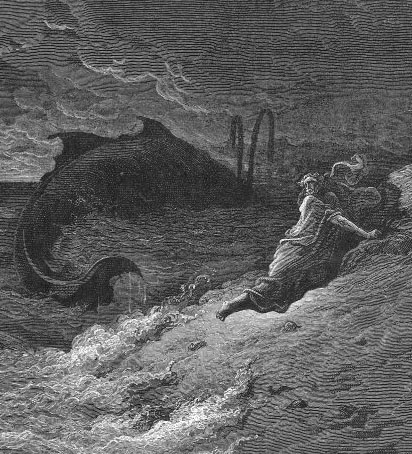
The last stage in the departure phase of the hero’s journey is called the Belly of the Whale, after the Biblical story of Jonah.  After receiving the call and passing the threshold to the land of adventure, the hero faces what may quite possibly be the darkest hour of his life and dies in some way to the home he has just left behind.

I know what you’re thinking: “Huh? Why does the hero die at the beginning of the story?  Isn’t that supposed to happen later?” Well…yes, it does, but the symbolic death at this point is important, too.  At its core, the hero’s journey is a story of transformation and growth.  When the hero comes back from the lands of adventure, he isn’t the same person he was when he first left–he’s been changed in some way.  And in order for that change to take place, the hero needs to let go of who he was and move forward.

Joseph Campbell describes it like this:

The idea that the passage of the magical threshold is a transit into a sphere of rebirth is symbolized in the worldwide womb image of the belly of the whale. The hero, instead of conquering or conciliating the power of the threshold, is swallowed into the unknown and would appear to have died. This popular motif gives emphasis to the lesson that the passage of the threshold is a form of self-annihilation. Instead of passing outward, beyond the confines of the visible world, the hero goes inward, to be born again.

Of course, the death and rebirth doesn’t have to be literal (though it can be, as it was with Dionysus).  The point is to show that the hero has fully crossed the threshold, cutting all his ties with home and burning his ships on the shores of the land of adventure.  Once the hero passes through the belly of the whale, there’s no going back–it’s all or nothing now.

So how common is this trope really?  Actually, it occurs more often than you might think.  In Harry Potter and the Sorcerer’s Stone, it happens when Harry boards the Hogwarts Express and realizes he’s leaving his old world completely behind.  It happens in The Lion, the Witch, and the Wardrobe when Peter and the others decide to go after Mr. Tumnas instead of returning to their own world through the wardrobe.  It happens in Star Wars IV when the Millennium Falcon gets sucked into the Death Star, and in Final Fantasy IV when Cecil washes up in Mysidia.

The main theme running through all these examples is that adventures are hard.  If they were easy, anyone could go on them–and no one would be changed by them.  They may be fun, and they’re definitely worth it, but to set out on one, you always have to give up something close to you–and that’s hard.

Trope Tuesday: Threshold Guardians

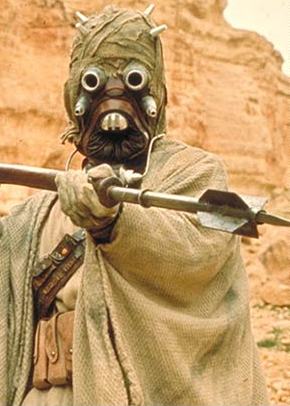
In an indirect way, this guy pretty much saved the galaxy.

So the hero gets the call, refuses it at first (or jumps at it, as the case may be), but one way or another he eventually sets out on the adventure.  As he soon discovers, though, one does not simply walk into Mordor.  Adventures are not the sort of thing that anyone can do, and in order to prove his mettle, he first has to pass a few tests and confront some sort of challenge.  Only then can the adventure really begin.

At the edge of the familiar world lies a threshold, the boundary separating the peaceful, boring land of the hero’s home from the dangerous and exciting lands of adventure.  The threshold might be literal, such as the wall in Stardust and Sabriel, or it might be more symbolic, such as the field in Lord of the Rings that marks the furthest that Samwise has ever gone.  Either way, the threshold is often the site of the hero’s first significant challenge–and the one who offers that challenge is the threshold guardian.

According to Joseph Campbell:

The ‘threshold guardian’…[stands] for the limits of the hero’s present sphere, or life horizon. Beyond them is darkness, the unknown and danger…The adventure is always and everywhere a passage beyond the veil of the known into the unknown; the powers that watch at the boundary are dangerous; to deal with them is risky; yet for anyone with competence and courage the danger fades.

In terms of story, the purpose of the threshold guardian is not to present some impossible test or to pose some sort of world-altering threat.  Rather, they exist to mark the boundary between the familiar world and the unfamiliar, and to show how the hero is different from all the other people who chose to stay at home instead.  In other words, their main purpose is to kick-start the adventure.

For example, in Star Wars Episode IV: A New Hope, the threshold guardians are the Tusken Raiders who roam the Jundland Wastes surrounding Luke Skywalker’s home.  Venturing out into the wastes is dangerous–yet Luke does it, to bring back R2D2 after the droid runs away.

When R2D2 warns Luke that the Tuskens are approaching, Luke doesn’t run away from them–he crawls to the top of the ridge to get a better look.  This leads to his first real encounter with danger, and almost gets him killed.  Fortunately, Obi Wan Kenobi rescues him and takes him home, telling him about the ways of the force and presenting him with his father’s lightsaber.  The adventure is off to a good start.

If Luke had never ventured out into the Jundland Wastes, or if he had run from the Tuskens at the first sign of danger, he never would have been rescued by Obi Wan, never would have learned about his father, never would have left his home and probably would have died when the Imperials attacked his uncle’s homestead.  If the Tuskens had never attacked him, he would have loaded R2D2 into the speeder and gone back home, never meeting Obi Wan as well.  Without the Tusken Raiders, the whole story never would have happened.

In Harry Potter and the Sorceror’s Stone, Draco Malfoy plays a similar role.  If Harry Potter had joined House Slytherin, Voldemort would probably have taken over before the end of the first book.  Instead, the early animosity between Draco and Harry’s newfound friends pushed him to take sides, setting the stage for everything else that was to come.

The threshold guardians don’t always have to take an adversarial role.  In a lot of stories, defeating the guardian means winning an ally, even sometimes a best friend.  That’s what happens when Robin Hood spars with Little John–in fact, the trope is subverted because Little John actually wins.  Or perhaps the whole thing was a secret test of character, because it’s Robin Hood’s good-natured reaction to losing that wins Little John over.

Not every instance of the hero’s journey has a threshold guardian, but many of them do.  It’s a clear and compelling way to mark the threshold between home and adventure, which is present in every hero’s journey, simply by definition.  When done well, it’s a great way to show what makes the hero different from all the other would-be adventurers who chose to stay home.

Trope Tuesday: The Call to Adventure

One of the first (and most important) stages of the hero’s journey is the call to adventure.  It happens when the hero first confronts something outside the experience of his ordinary world that beacons him to leave it.  It overlaps closely with the inciting incident, and marks the point at which the hero’s journey begins.

However, it is not typically where the story begins.  In order for the hero to leave the ordinary world, he must first start out there, so we know what’s at stake and what he’s leaving behind.  This is why Luke Skywalker starts out on his uncle’s homestead, and why Neo starts out as a bored and lonely employee of Metacortex.  Events outside the hero’s experience may have already put him on a trajectory to leave on the adventure, but he won’t know it until the call comes.

The hero may start out in a quiet, peaceful village, far removed from any sort of conflict–or he may start out in the middle of a crapsack world, as is the case with dystopian fiction.  The important thing is that it’s the world he’s always known–that he hasn’t ever really made an effort to leave or change it.

How he feels about his world largely determines how he chooses to respond to the call.  In older literature, the hero typically refuses it.  The advantage of this is that it gives the reader a sense of scope–that this adventure is not a small or a trivial thing.  It also sets up an immediate minor conflict that gives some motion to the opening chapters.

In modern stories, though, it’s more common for the hero (or his friends) to jump at the call.  There are also many advantages to this.  In Lord of the Rings, it gives Frodo an immediate band of sidekicks.  In Harry Potter, it plays up the sense of wonder at the magical world.  In the Chronicles of Prydain, it highlights the impulsiveness and naivete of Terran, as he realizes later on in the story just how stupid of him it was.

The call itself can take many forms.  It can come as a fateful visitation from a supernatural messenger, a mysterious request from a dying stranger, or a sacred trust from a dying friend.  It can also be more internal, such as an important moment of decision, or a desire to find some greater purpose in life.  Whatever the case, the one thing the hero cannot do is ignore it–at least, not forever.  One way or another, the hero sets out, and the adventure begins.

To Racha and back

So I just got back from Racha this afternoon.  It was a lot of fun!  Saw Ambrolauri, Oni, and Shovi, only 20 km from the Russian border near Ossetia.  Don’t worry, though, we were safe the whole time–though the home we stayed at had a wolf pelt hanging in the dining room!

This video should give you a pretty good idea what Racha is like.  It’s part of a new ad campaign, and it does a good job capturing the feel of rural life in the region, as well as the blend of modern and traditional that you find throughout Georgia.  The music is a combination of two famous Rachuli songs.

I went with a fellow TLG teacher from Slovakia named Tomas, and together we made a really good travel team.  We met last week on the TLG excursion to Kakheti and hit it off right away, probably because I’m a quarter Czech.  He speaks a bit of Russian, and I speak a bit of Georgian, so between the two of us we were able to manage quite well.

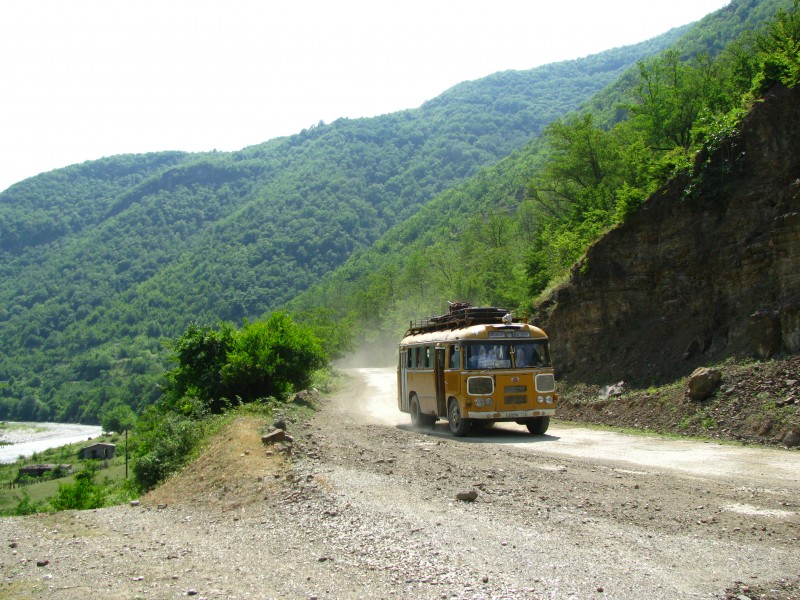
A rickety old bus crawling up the treacherous road from Kutaisi to Ambrolauri.
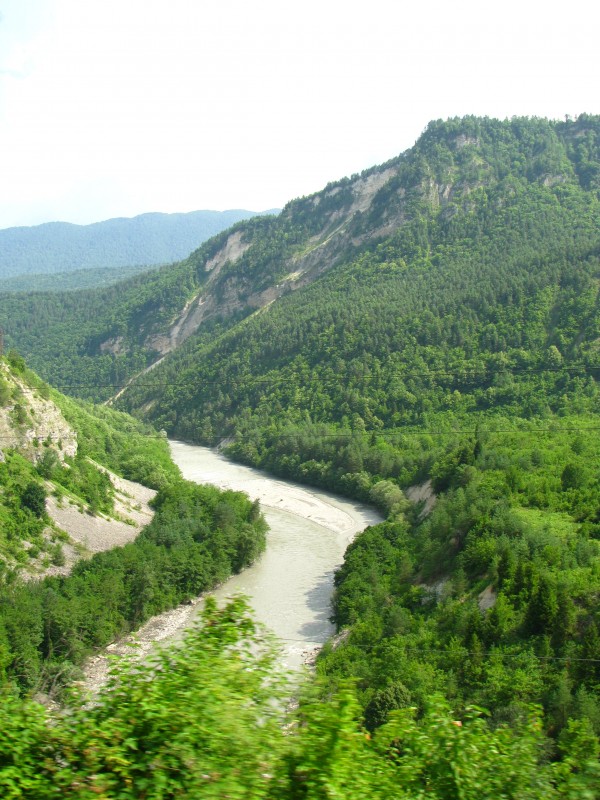
The Rioni river near the Racha-Imereti border.

We took the Kutaisi-Ambrolauri bus up along the Rioni river.  The road hasn’t been repaved since Soviet times, so it was quite treacherous, especially in places where the cliff had partially eroded. Spectacular views, though, especially once we crossed the border into Racha.

At Ambrolauri, we got out and hitched a ride to Oni.  The local police actually flagged down a passing tour bus full of Israelis and had them take us.  It was awkward at first, until we made friends with the guide–a veteran hitchhiker who has been everywhere from New Zealand to Mongolia to Turkey.  When traveling to a country with a foreign language, the five phrases she always tries to learn are:

  1. Please.
  2. Thank you.
  3. Hello.
  4. I want.
  5. I need.

Pretty sound advice.  The numbers should come pretty soon after that, along with “how much” and “what price.” “No” is definitely important too.

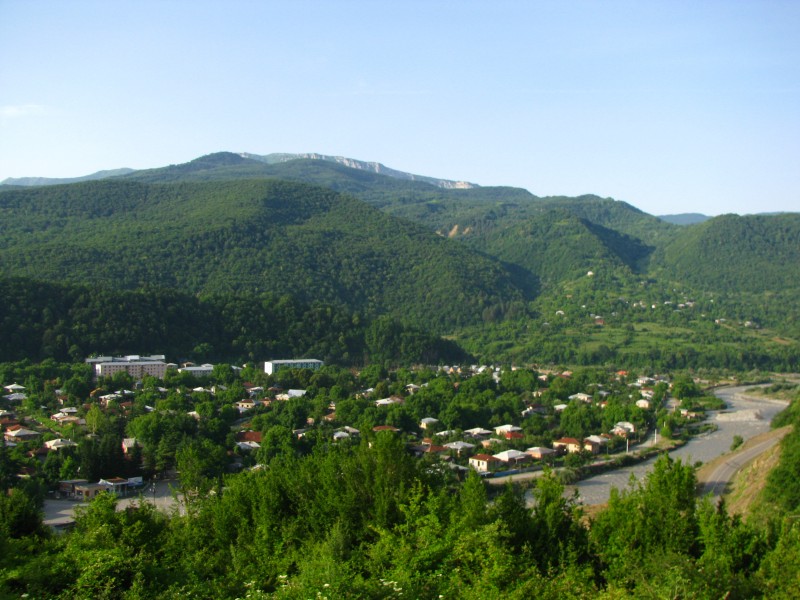
Oni, a beautiful Georgian town nestled inside the Caucasus Mountains.

At Oni, we spent a couple of hours shopping around the local homestays before settling on Family Hostel, a bed-and-breakfast type place with some really nice accommodations.  It was a little pricier than we were hoping, but was definitely worth it.  The food was great, and the dad showed us a bunch of interesting sites the next day.

The Rioni headwaters, up near Shovi. Russian North Ossetia lies on the other side of that mountain.
One of many mineral water springs in Racha.

We headed up to Shovi with another tourist from the hotel: an 80 year old Turkish man named Adnan.  He’s a big time hiker/trekker, and showed us a bunch of photos from his hike up Mount Ararat. He also made us Turkish coffee when we stopped for lunch up in the forest.

Shovi is an awesome rustic resort way up near the Russian border.  It’s on the other side of Mount Shota, which is about as high and as steep as Mount Timpanogos in Utah.  Maybe I’ll come back and hike it sometime.  Anyways, Shovi was pretty cool–definitely worth coming back for a camping trip, or perhaps for a couple of nights in the cabins.

The most interesting thing, though, was how many springs were in the region.  Seriously, we stopped almost half a dozen times at places just like the one pictured above, with so much water bubbling up that it almost seems like someone forgot to turn off the faucet.  It’s all natural, though, and comes out carbonated and infused with all sorts of minerals.  Tastes just like the sparkling mineral water from Borjomi or Nabeghlavi–the locals come up quite frequently to refill their jugs and bottles with the stuff.  You can drink it straight from the spring, without any need for purification.

Back at Oni, we had a fun time hanging out with the family and seeing the dad’s furniture-making shop.  They’re good people, and we were really fortunate to find them.  Showed them some photos of my family, and by the end, I think the mom had half a mind to set me up with a Georgian girl. To be honest, the longer I stay in this country, the more inclined I am to accept…

The next day, we took off with the 19 year-old son on the bus to Tbilisi.  He was heading out for his final exams–he’s hoping to study law and tourism, to come back and help the family business.  We came down past Shaori Lake through Tkbuli.  One of the back tires blew out near the Kutaisi-Tbilisi road, but we made it out in one piece. Tomas continued up toward Zestaponi, while I got out to catch a bus heading back to Kutaisi.

Four months ago, I would have felt totally lost, but I’ve been around Georgia so much by now that it was a piece of cake.  Went into town for some lunch, then came back for a much-needed shower.

So that was the trip!  It was amazing–I definitely recommend heading up that way for anyone who has a chance.  There’s a lot of beautiful country up this way, as well as some genuinely good people.  The best sights in Georgia can be a little hidden, and Racha is full of them.