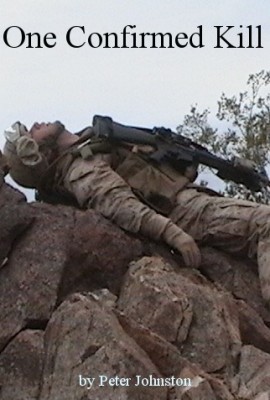
One Confirmed Kill by Peter Johnston

The best description of this book that I think I could give is the disclaimer at the front:
The following is not fiction. The characters and events described are closely based on real life, and any resemblance to real persons, organizations and events is purely intentional, and should be construed in the most negative light the text will support. Some names have been changed to protect the author from violent reprisals from the real people thus depicted, in the unlikely event that any of them have learned to read.

Thus begins a darkly cynical account of one soldier’s experience (or lack thereof) in Al-Anbar Province during the Iraq War.  At times hilarious, at times surprisingly moving, this book made me laugh out loud and kept me engrossed all the way to the end.

Full disclosure: the author is a friend of mine from the Leading Edge slushpile, and I was one of the beta readers for this book.  That said, I really enjoyed this novel, both the earlier draft that I read and the finished version that I bought as soon as it came out.  It’s a lot like Catch 22, except I actually liked this one (whereas I could hardly get through the first chapter of Catch 22).  The writing is witty and sarcastic, and the story, while far from honeycoated, ends on a note that makes the read worthwhile.

If you’re happily employed by the military, this book will probably make you livid with rage…or it’ll send you roaring on the floor laughing your ass off.  I can see my military friends taking it either way.  But one thing is for sure: you won’t find it boring.

One Confirmed Kill is an indie published ebook, and you can currently pick it up in all formats for $.99 on Smashwords.  Disclosure: as a Smashwords affiliate, I get about $.10 from the sale.  However, even if I didn’t get anything for it, I’d still recommend it, because it’s a great read.

Trope Tuesday: Abduction is Love

In real life, abduction is an awful, violent thing that we hope would never happen to us or anyone we know.  But in fiction, the Rule of Romantic can make abduction the basis of a wonderful, heartwarming love storyat least for some of us.

This is actually a more common trope than you might think.  It’s the underlying premise for Beauty and the Beast, though Disney rewrote that part out of it.  It’s a major plot element in Watership Down, as well as The Courtship of Princess Leia.  More recently, Twilight featured a few variations on this trope, though considering the source, that probably isn’t surprising.

In G and PG rated versions, this often leads to And Now You Must Marry Me.  In PG-13 and R rated versions, leads to Rape Is Love, with many unfortunate implications.  Due to the violent nature of the story, it often involves a lot of Slap-Slap-Kiss.  Stockholm Syndrome, the psychological phenomenon whereby victims of abduction develop an emotional connection with their captors, is the overarching theme, making any abduction love story a match made in Stockholm.

In the West, this trope tends to be a lot less prominent than it used to be.  However, if you look at the trappings of our marriage customs, you start to notice some disturbing trends that point to a time when abduction-as-romance was much more common.  For example, what was the original function of the best man at a wedding?  Quite possibly, it was to keep the bride from escaping (or being rescued).  And why does the groom whisk the bride away to a remote, isolated place to consummate the marriage?  To evade the bride’s angry family, of course.

Here in Georgia, this trope is alive and well, not just in fiction but in real life–seriously.  It’s called motatseba, and is often discussed with a wink and a nod.  In the family that’s hosting me, the mother married her husband after he abducted her, then bore him four children.  Now, they both seem to remember it rather fondly.

This is such a bizarre tradition that I’m going to dedicate an entire post to it…after I figure out just what the hell is going on.  Seriously, I can barely make sense of the practice–it’s like a twisted game of tag involving sex and arranged marriage.  How it can possibly lead to love…that’s what I’m trying to figure out.

However, I’m sure it involves some interesting variation of this trope.

Staying in Georgia

So I’ve decided to stay here in Georgia for another semester.  Things are working out really well, I enjoy teaching English, and for the full experience I think it will be better to stay for a full year.

I’m not sure if I’ll stay in Kutaisi yet, though.  It’s a convenient place to live, but I have upwards of 30 kids in my classes, which can be a real challenge.  I’d kind of like to spend the next semester in a village or small town, where I can know all the kids by name.  Then again, I really like it here in Kutaisi, and I’m doing so much where I am that I’d kind of like to stay, just to see how things turn out.

Currently, I’m teaching grades 1-6, 9-10, and 12.  It sounds like a lot, but I’ve got great co-teachers who help out a ton.  I teach 18 class periods per week, which is enough to keep me busy but not so much that I feel overwhelmed.  My favorite grade to teach is probably 4th or 5th, where the kids know enough to surprise you but don’t have all the issues that come with teenagers.  There are different things I enjoy about each grade, though, so it’s good to have a mix.

The second semester doesn’t start until September, so that’ll give me a few months off to do whatever I like.  My current plan is to come home and work on getting print editions of my books out.  TLG will pay for my flight out and back, and my parents will let me stay at their place over the summer, so I think things will work out quite well.

As for what to do in December once this tour is finished–that’s an entirely different question.  I could probably leverage my experience here in Georgia to get a much higher paying job in Asia or the Persian Gulf, but all I’m really looking for is a job situation to tide me over until my writing career takes off.  That, and an awesome cultural experience.

What I’d REALLY like to do is find some remote desert village in the Middle East, where the locals will pay for room and board, my book royalties will pay the rest, the cultural experience will give me a chance to practice my Arabic, and my teaching skills will make a real difference in the local community.

Towards that end, I found this site called Workaway.  A friend of mine used it to get a short-term job in a Bedouin camp in Wadi Rum, and there are TONS of other opportunities listed just like it.  I freaked out a little when I saw it, because it looks AWESOME.  When I was in Jordan, I used to fantasize about spending some time in the desert with the Bedouin, so getting the chance to actually do that would be amazing!

TLG will pay for my flight home at the end of the second semester, but I can opt to go anywhere else, so long as the ticket price isn’t any more than Tbilisi to JFK.  Since this is the year my sister’s get together with their in-laws for Christmas, it might be better to go straight from Georgia to my next job at the end of December.

I was thinking about it as I walked around my neighborhood earlier today, and it made me wonder: why did I wait so long?  There are so many awesome opportunities overseas–if you don’t have any debt or anyone you need to support, you could spend years hopping from one random adventure to the next.  I could spend years doing that.  And with epublishing, all I really need is my netbook and periodic internet access to put up new books as I write them–everything else more or less takes care of itself.  It’s fantastic.

In any case, that’s the plan for now.  I’m taking the night train to Tbilisi tonight, so I’d better go get ready for that.  See you around!

Winter in Kutaisi

From what I hear from my friends, it’s been a pretty mild winter back in the States.  Here in Georgia, though, it’s been a much different story.

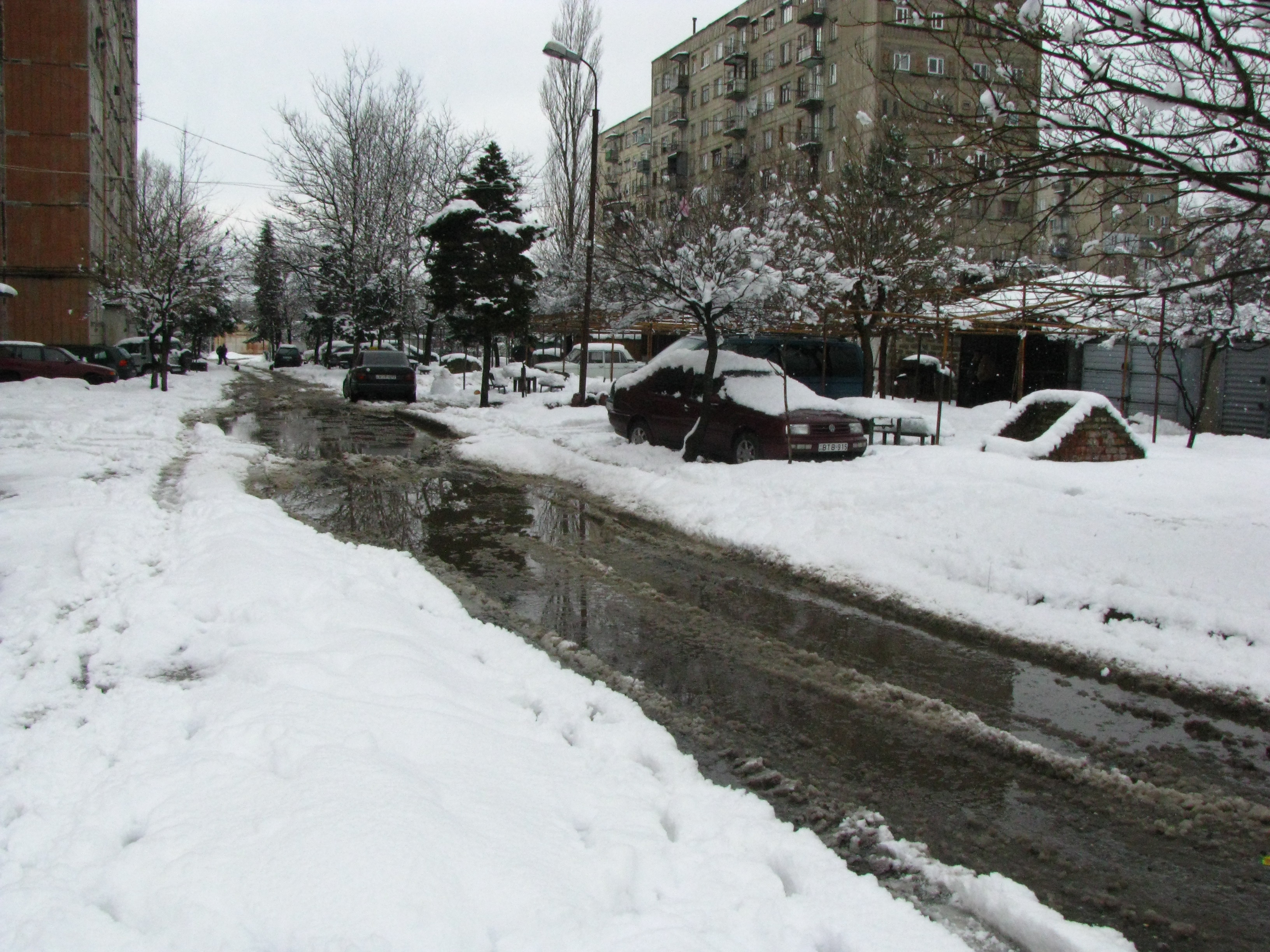
I think we’ve had only three sunny days since I arrived here in Kutaisi almost four weeks ago.  The natives tell me that this is highly unusual.  The temperature hovers right around 0 degrees Celsius, which means the snow is wet and melts extremely fast.  It’s pretty for a day or two, then it turns to rain again, and that means mud…lots and lots of mud.

During a break in the snow, I ventured outside to take a few pictures of my neighborhood.  In a couple of weeks, the weather will hopefully be warmer and things will look a lot different, but still, I thought it would be good to give you guys an idea of what this place looks like.

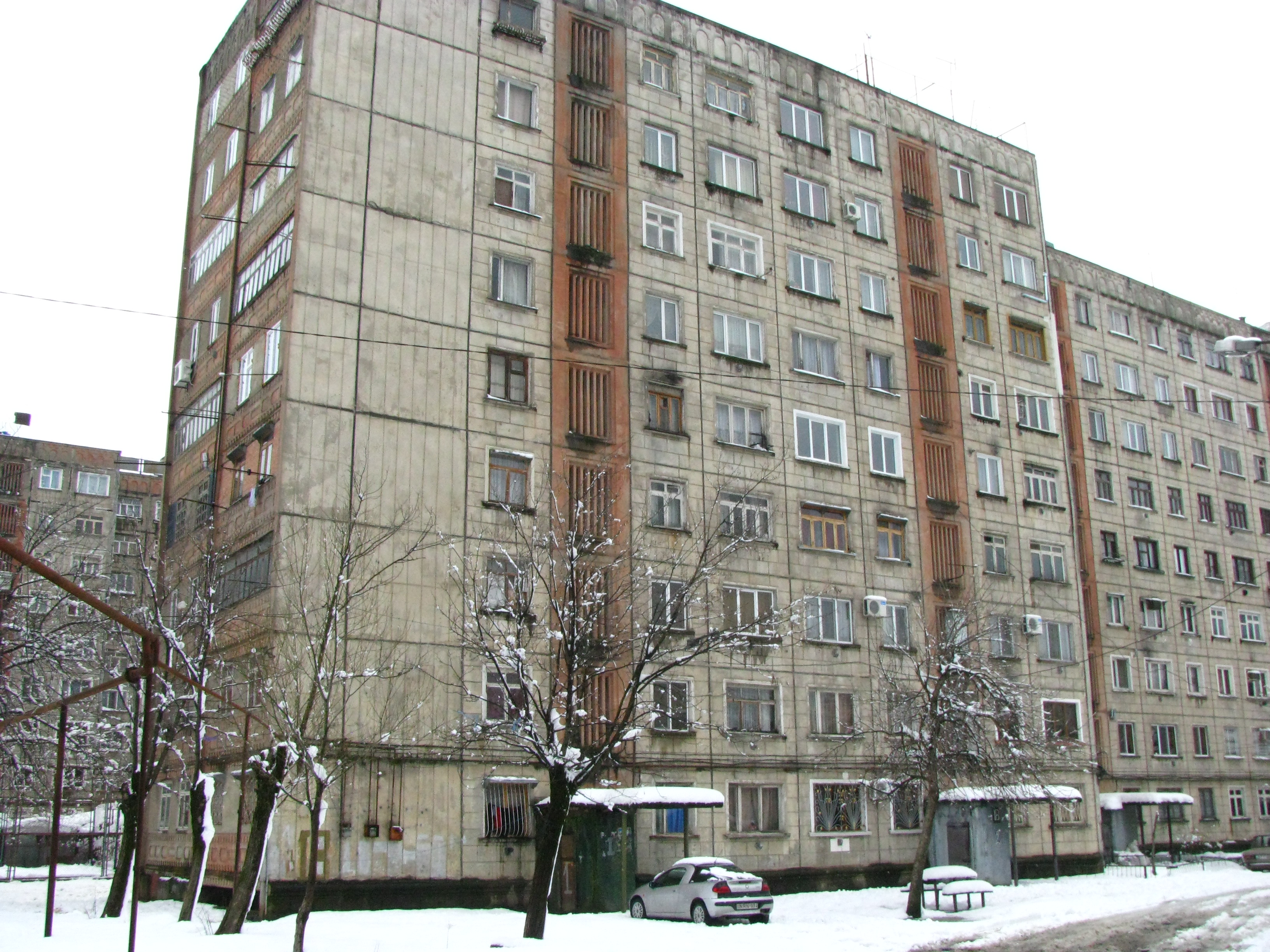
My host family's apartment. We live on the second floor, which is good since there isn't an elevator.

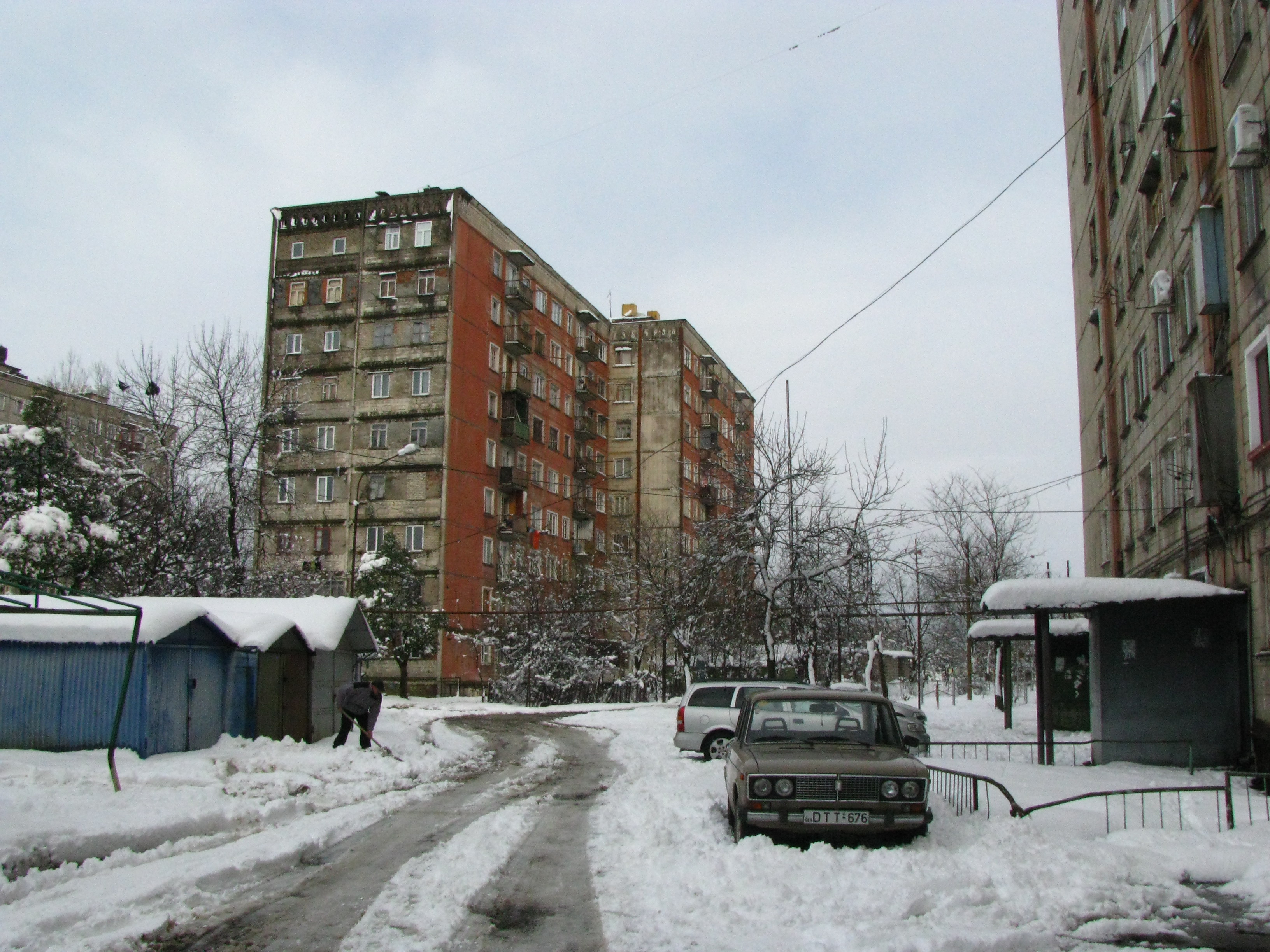
I live in the Avtokarkhana settlement, near the old Soviet auto factory.  The apartments are about 50 years old, and haven’t been renovated much since then.  It’s a poor neighborhood, but it’s comfortable enough, with all of the basic amenities like water and heating.

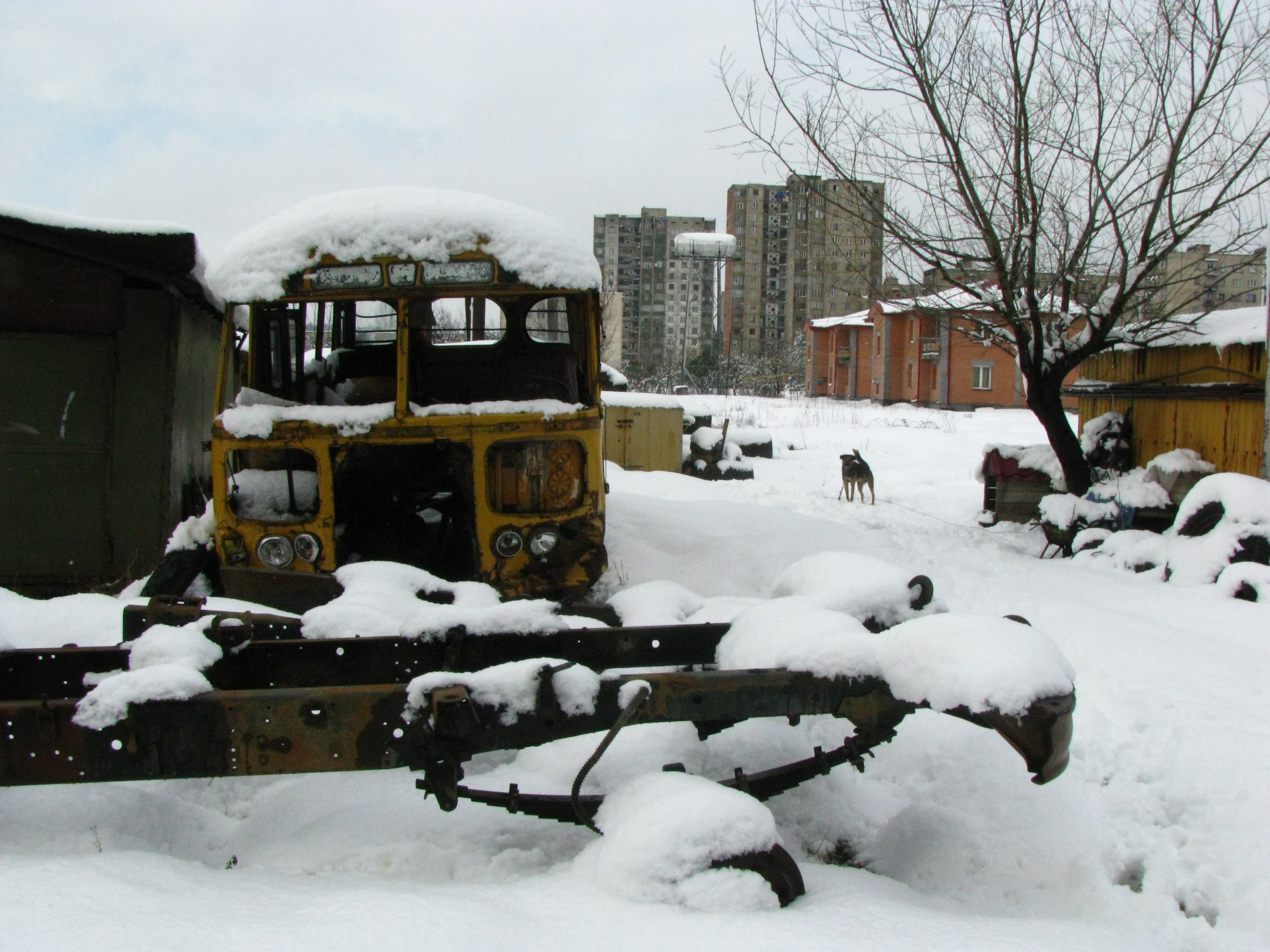
An abandoned bus along the road to my school. My host father has some choice words to describe his Russian-made vehicle.
In Soviet Russia, puddle splash YOU!

The roads are pretty nasty; they haven’t been repaved in decades, and the potholes are so deep you practically need a raft to get across the street.  Most of the locals wear rubber boots during the rainy season, but I recently treated my boots with beeswax and that seems to be doing fairly well.  Besides, after a while, you figure out where the stepping stones are, and then it’s not so bad.

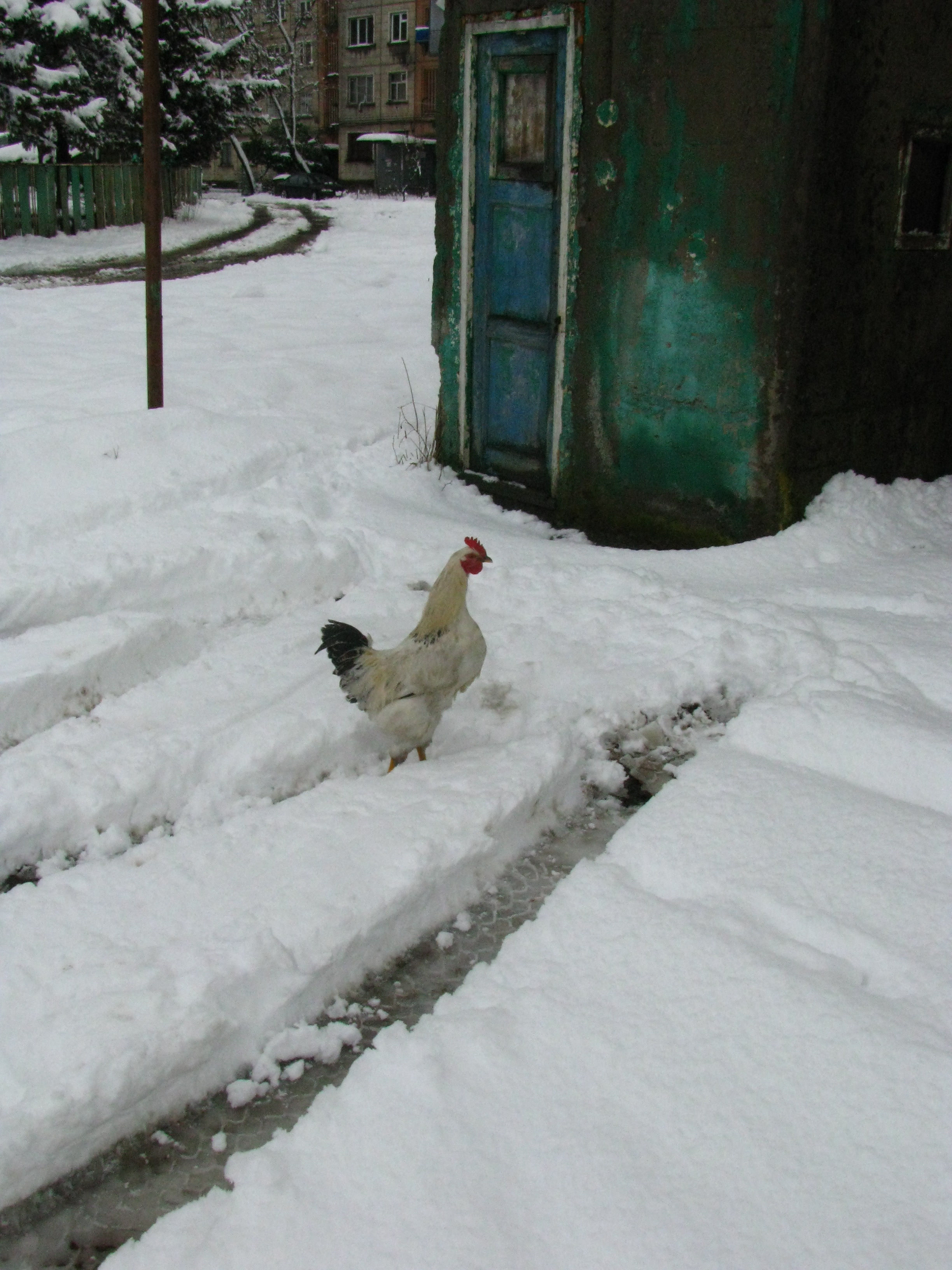
One of the local free-range chickens. There's a cow, too, but she was staying out of the snow.
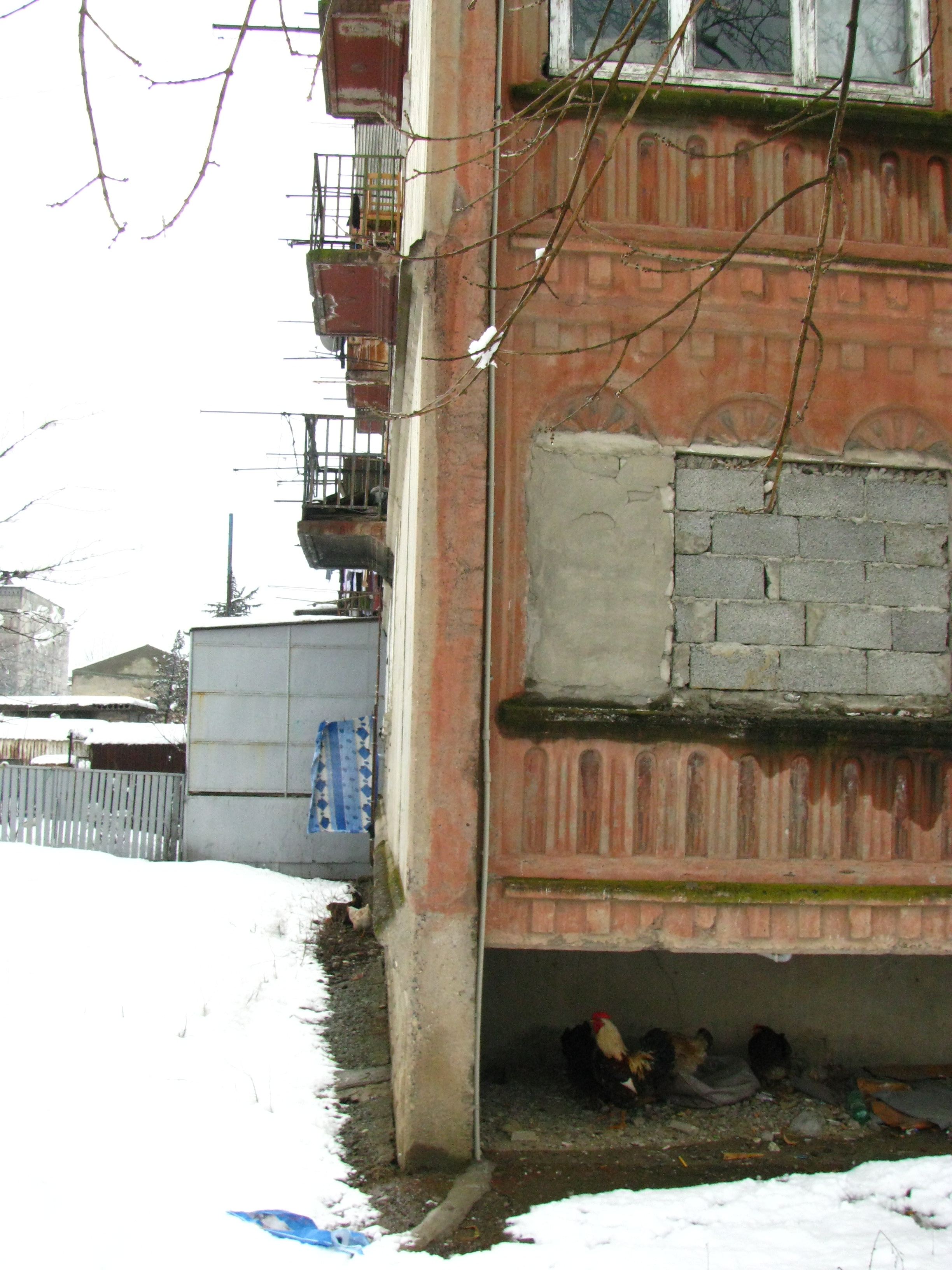
Where the chickens go to keep warm. My host family laughed when I showed them this picture.

Even though Kutaisi is a fairly large city, I get the feeling that there’s still a few lingering elements of the village mentality.  How else would you explain all the free-range chickens that people still keep?  The school is within walking distance, as are the stores where we buy our bread, and even though the pharmacy is a short drive away, I could probably walk there in fifteen or twenty minutes.

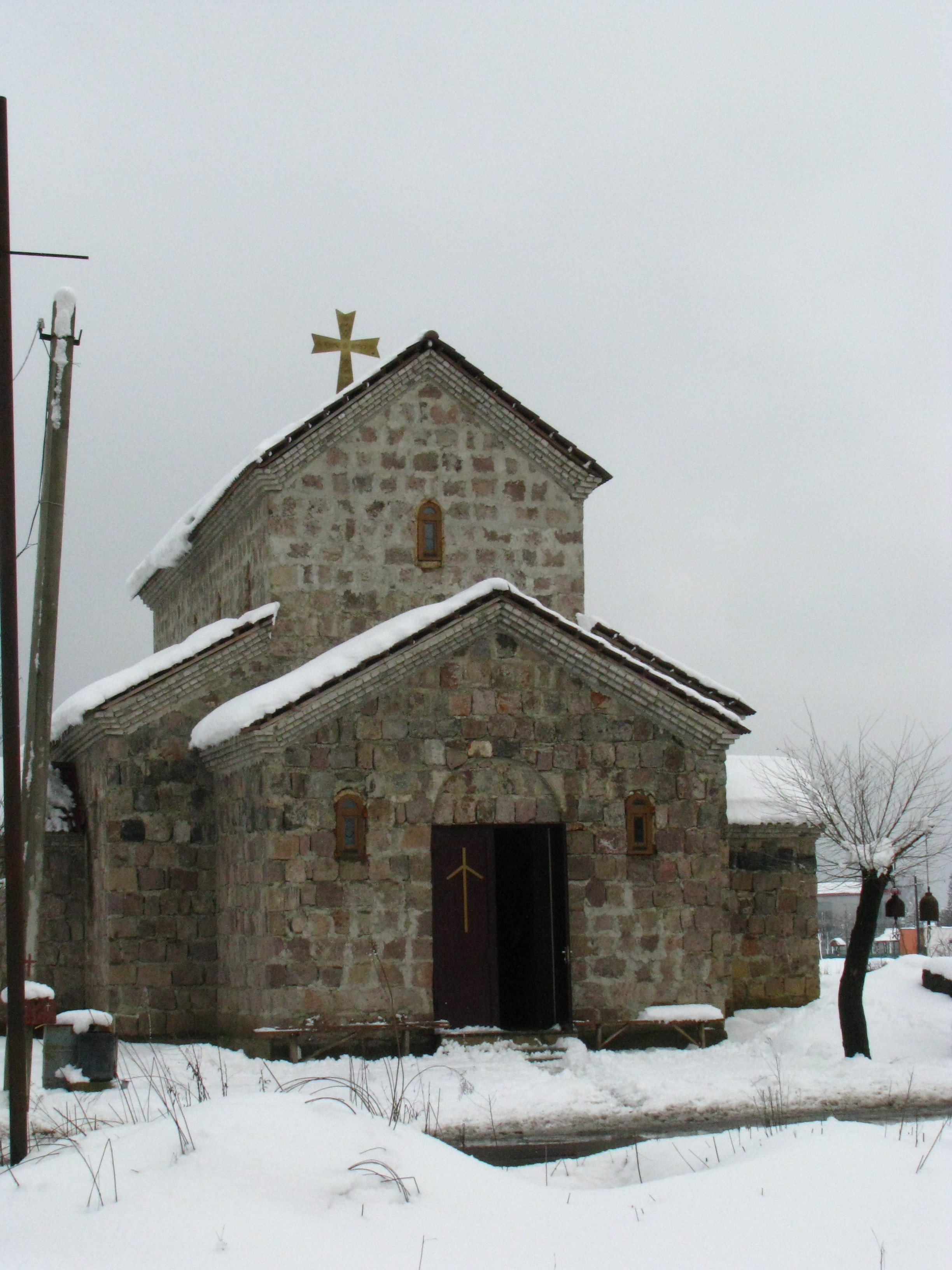
The local church. It seems pretty small, but Georgians don't really have weekly worship meetings like we do in the States.

Because of the snow, I haven’t gotten out much in the past few weeks.  I haven’t been stranded, though; there are about a dozen other TLG volunteers in the city, and we’ve had a few parties and get-togethers.  Kutaisi is a small city, as far as cities go, but there are plenty of interesting places if you know where to look, and even in the dead of winter, it’s still quite pretty.

The road I walk back from school every day.

So yeah, that’s what my neighborhood is like.  When the weather gets better, I’ll bring my camera to school and take some pictures of my school.  I should also take some pictures of my host family’s apartment, come to think of it.  What else do you guys want to see?

Thoughts after finishing Vortex by Robert Charles Wilson

Whoa.

If I had to sum up my thoughts with one word, that would be it–though of course, by itself that word is hopelessly inadequate.  Let’s just say that, for me at least, this  was a truly astounding book, a literary journey that left me wide-eyed with my mouth hanging open, blinking wearily as I looked up from the last page and returned, reluctantly, to the world of physical reality.

I don’t plan to spend this blog post talking about how awesome this book is, however; I’ll save that for a review.  Rather, I want to spend some time talking about how this book has influenced the way I think about science fiction and my own writing, and to share a few of my thoughts having just finished it less than an hour ago.

If anything, this book has shown me that science fiction–real science fiction–is about staring into the unblinking void of the cosmos with a deep and abiding need to find answers, or perhaps more accurately, to ask questions.  This inevitably produces a sense of wonder, but that’s merely incidental; the genre is really about fulfilling an almost religious need to connect with something greater than oneself.

I enjoy reading science fiction and experiencing that connection, but I don’t need it–not in the way that I sense some of the grand masters of the genre truly did.  Instead, I hunger for the sense of wonder and adventure that is more characteristic of fantasy.  In my own writing, it’s not so much the grand sweep of the cosmos that interests me as much as the intimacies of human nature–which isn’t to say that the two are incompatible, but that my preferences lean more to the one than the other.

What I’m saying is that it’s not science fiction that I write, so much as science fantasy.  I still feel drawn to space adventures and the trappings of science fiction–I’m not at all interested in writing about elves or dragons–but at their heart, the books I write are more fantasy than true science fiction.

Which might be a purely esoteric distinction to the average reader, but if it helps me to understand my own writing, it’s a distinction worth making.  If science fantasy is the sub-genre that really speaks to me, then that’s the kind of literature that I should explore.  Of course, it’s important to be well-read in multiple genres, but if there’s a particular one in which you want to write, it stands to reason that that’s the one on which you need to be an expert.

So that’s my new goal: to explore fantasy, science fantasy in particular, and the ways in which other sub-genres like space opera and space adventure lean more toward the fantasy side of things than pure science fiction. And to keep reading really awesome books.

Quarter Share by Nathan Lowell

Ishmael Wang never thought he would sign up with the crew of a solar clipper, traveling the stars as part of a merchant collective.  But when his mother unexpectedly dies, leaving him with barely enough money to pay next month’s rent, he finds himself without any other choice.  Fortunately, the starfaring life suits him quite well–surprisingly well.

I picked up this novel because it appeared in the “customer’s also bought” section of my own novel, Genesis Earth.  It was a fun read, though to be honest I put it down for almost seven or eight months before finishing it.  The reasons for that should be clear by the end of this post.

Don’t get me wrong; there are things that I liked a lot about this book. The beginning set up is excellent–I really felt drawn into the story, and felt for the challenges that Ishmael was facing.  As he started to make friends and explore his new world, the wish fulfillment factor became a major draw.  I mean, who wouldn’t want to sign up with the crew of a solar clipper and travel across the stars?

But somewhere in the middle, the book started to lose steam.  Ishmael’s internal conflicts with the death of his Mom faded into the background until they completely disappeared.  Everything that he set out to accomplish, he did so successfully after the first or second try.  The story took on a sort of video game quality, where the main focus was leveling up: from quarter-share to half-share, from this test to that test, etc.  Even some of the aspects of the world-building became mundane, with mushroom-growing asteroids and space station flea markets becoming just another way to make a profit.

While there were aspects of the trading game that I liked, the lack of any real conflict made me lost interest in the story. The beginning is very strong, and the middle, though weaker, is still okay, but the ending just sort of fizzled without a real climax.  If you’re only reading for wish-fulfillment, that probably isn’t a problem, but if you want something else, you’re probably better off looking elsewhere.

Trope Tuesday: Chaotic Neutral

Look, I ain't in this for your revolution, and I'm not in it for you, Princess. I expect to be well paid--I'm in it for the money.

If you’ve ever read a space adventure with smugglers and pirates, or a sword & sorcery with rogue thieves and master-less swordsmen, or a western with gritty outlaws and mountain men, you know this character alignment.  If you’re a fan of any of these genres, chances are you love him, too.

The Chaotic Neutral‘s one consistent rule is to always look out for #1.  Beyond that, he’s a free spirit who believes in individuality and resists anyone or anything that tries to control him.  Rebellious spirits and lovable rogues tend to fall into this alignment, but so do tricksters and wild cards.  Their resistance to any form of personal restriction makes them unreliable allies, despite what Jack Sparrow says.

From the easydamus alignment page:

A chaotic neutral character follows his whims. He is an individualist first and last. He values his own liberty but doesn’t strive to protect others’ freedom. He avoids authority, resents restrictions, and challenges traditions.

A lot of characters start out as this but tend to shift as the story progresses.  Han Solo, for example, shifts from Chaotic Neutral to Chaotic Good as he becomes more and more involved with the Rebellion.  The Jägers from Girl Genius are Chaotic Neutral until they have a Heterodyne to lead them.  But in other stories, such as Pirates of the Caribbean and Schlock Mercenary, the Chaotic Neutral serves as an anchor.

My favorite Chaotic Neutral is probably Waylander from David Gemmell’s Drenai series.  The Jerusalem Man is another good one–in fact, just about every one of his books has a Chaotic Neutral that I love.  Haruhi Suzumiya is an excellent example of a female Chaotic Neutral–in fact, she’s probably the queen of this particular character alignment.

In my own work, the best example of a Chaotic Neutral would probably be Tamu from Bringing Stella Home / Sholpan.  Even though she’s technically a slave, she doesn’t really mind it because she has everything she wants and doesn’t have to be beholden to anybody (not even Qasar, really, since she’s his favorite).  Amina from Desert Stars is also Chaotic Neutral, in contrast with Surayya, who is more of a Lawful Neutral, though sometimes it’s hard to tell.  And in Genesis Earth, Terra is definitely a Chaotic Neutral at the beginning, though she shifts a little somewhere around the middle.

I’m hesitant to admit this, but when I took the character alignment test for myself, I tested out as a Chaotic Neutral.  As to what that means, exactly…I’m not going to say. o.0

For the love of traveling

I had a realization as I was visiting Tbilisi this weekend: I love traveling.

I love standing beneath a tattered, windswept tarp surrounded by market stalls and people bartering in a language I barely understand.  I love walking down the dusty pavement of a chaotic bus station in the developing world, and the confidence that comes from knowing how to navigate it.

I love the thrill of knowing that I’m on the other side of the world from most of my friends and family.  I love laughing at the email alerts I get for all the mundane, dead-end jobs like office support or market research that I used to chase after so desperately.  I love being in a place where I can make a real difference in people’s lives.

I love never quite knowing exactly what’s going on, but getting along anyway.  I love taking things one day at a time and letting tomorrow take care of itself.  I love being surrounded by strange and interesting sights, and by people whose hospitality amazes and humbles me.  I love entering an alien culture as an outsider and becoming part of the society before I leave.

Is this all just part of the “honeymoon” phase of culture shock?  Perhaps, but this isn’t the first time I’ve traveled.  In many ways, the experience here in Georgia reminds me of my experience in Jordan, and I think I’ve been able to adapt better because of it.  In spite of all the cultural differences, I feel quite at home here.  Kutaisi is a great place, and I’m looking forward to getting to know the people and the city better.

One of the really interesting things about Georgian culture is the way the people’s eyes light up when I tell them I’m a writer.   They seem to have a lot of respect for that profession, more than in the states.  I haven’t been writing a whole lot other than in my journal, but things are more or less falling into place at the school and I think I’ll have a lot of time for other pursuits.  Hopefully, by this time next week, I’ll be able t start writing regularly again.

In the meantime, all of these cultural experiences are really great, and I think they will enrich my writing considerably.  I’m not thinking much about that now, of course, but I’m sure I’l come away from this place with a wonderful pool of experiences and images to pull from.  But right now, I’m about to pass out and crash, so I’d better call this a blog post and send it up with the others.  Good night!

In Kutaisi

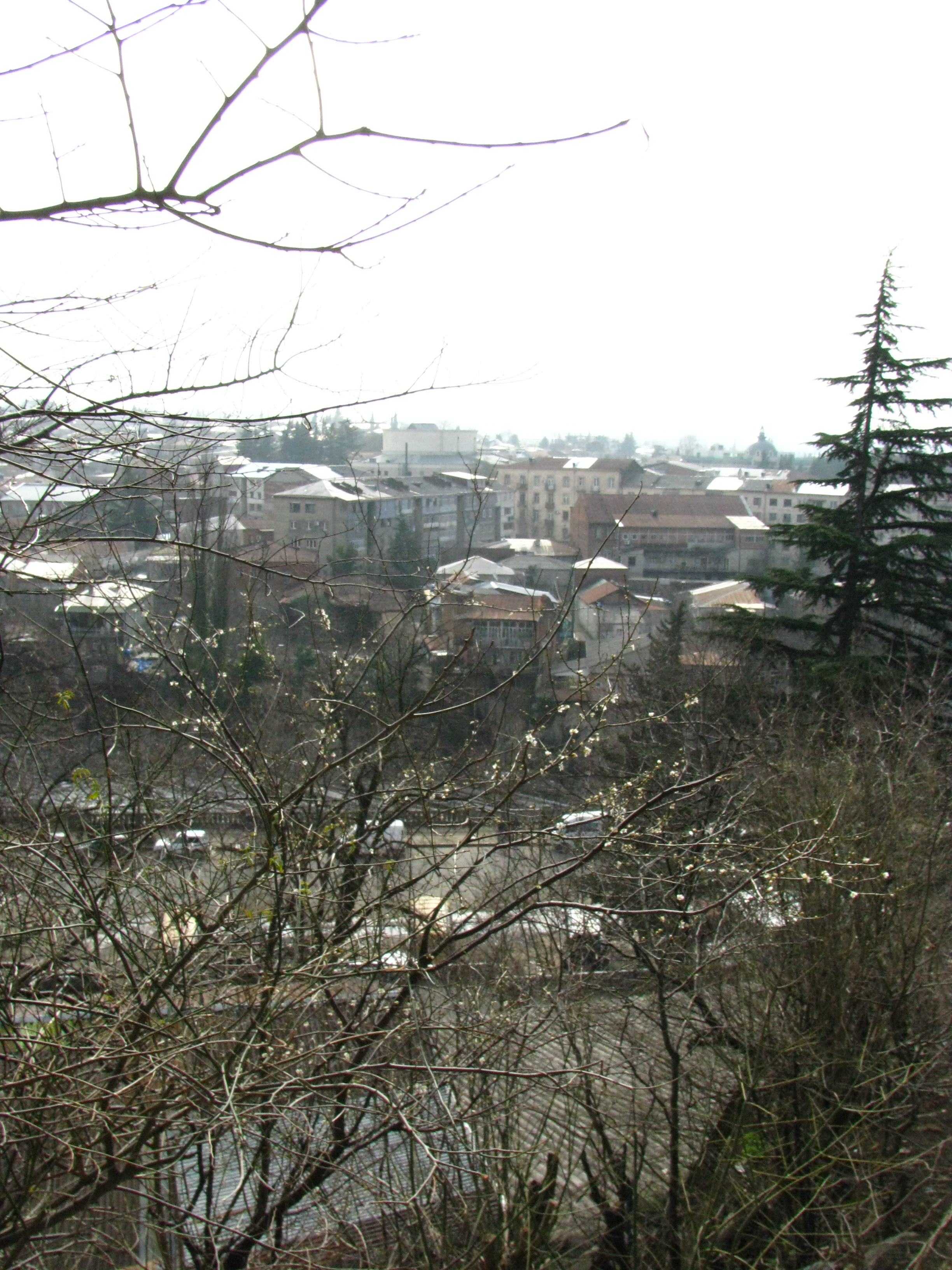
This is the city where I'm going to be living for the next 4+ months.

So the training period for TLG is finally over, and I’ve received my assignment: I’m in Kutaisi, the second largest city in Georgia!  It’s about a four hour haul from Tbilisi; I spent it cramped on a bus with my host-mom and brother watching Georgian sketch comedy, with rampant cross-dressing and men getting bride-napped by women.  Hilarious.

I live in an awesome dilapidated Soviet-era apartment with a fairly large family: mother and father, grandmother, and three kids ages 17, 15, and 9.  The father works full-time as a welder and the mother works part-time as a nurse.  There’s another son, age 18, but he’s in Tbilisi for college. Only the kids speak English, but

The other host brother showed me around Kutaisi today, and it was pretty interesting.  This probably doesn’t make any sense, but it feels a little bit like something out of an Asterix comic, fast forwarded to the modern era.  In any case, the city is really nice; cleaner and not as crowded as Tbilisi, with cobblestone streets and European-style buildings with a giant park in the middle.

I’ve already figured out how to get from my host-family’s apartment to the city center and back by marshrutka–if this were a video game, that would be an achievement.  Crossing the street would also be an achievement, though it’s much harder in Tbilisi than it is here.

Some more pictures:

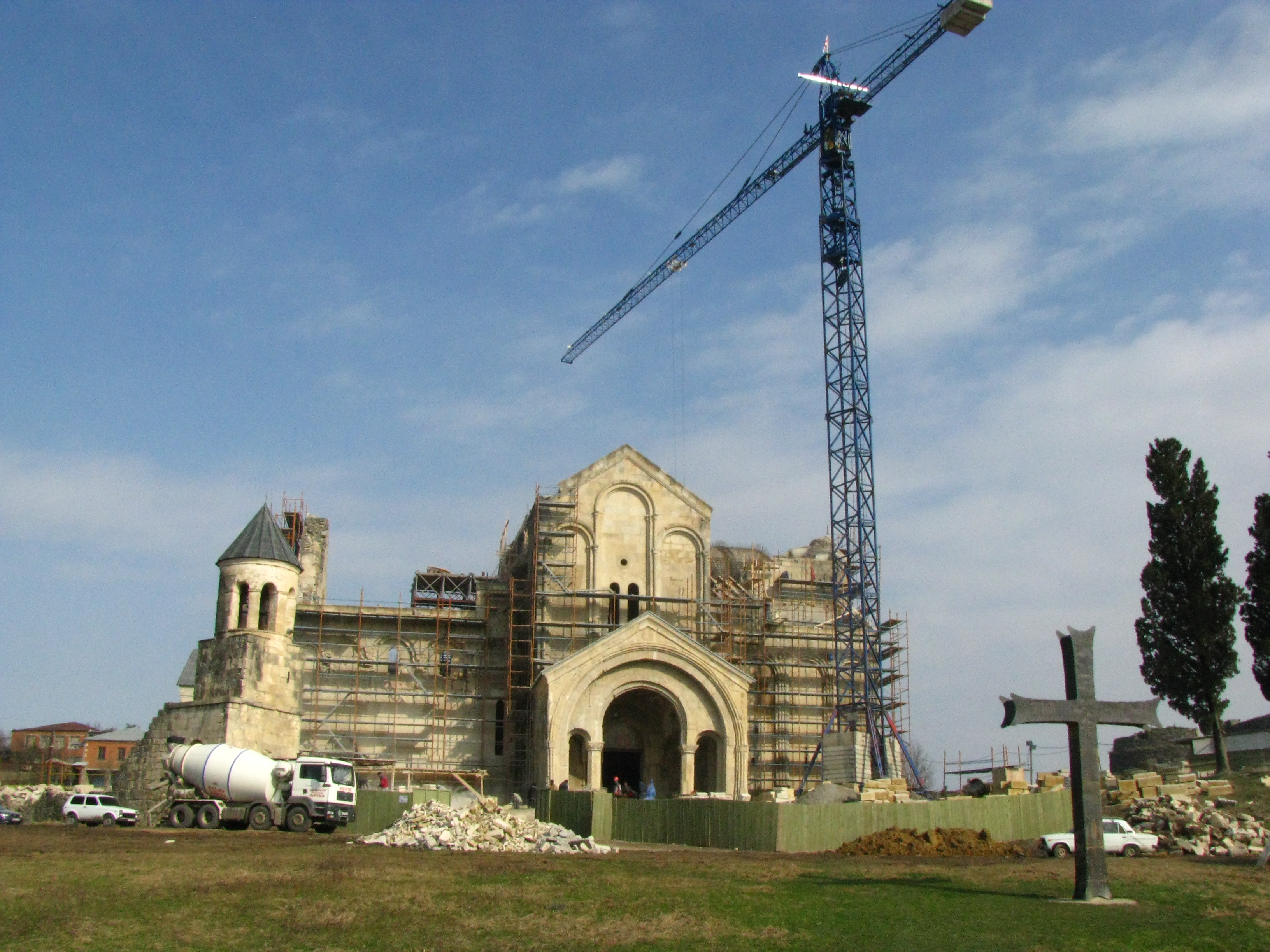
The old cathedral that overlooks Kutaisi. Built in 1003, destroyed sometime in the 18th century, it's being rebuilt now.
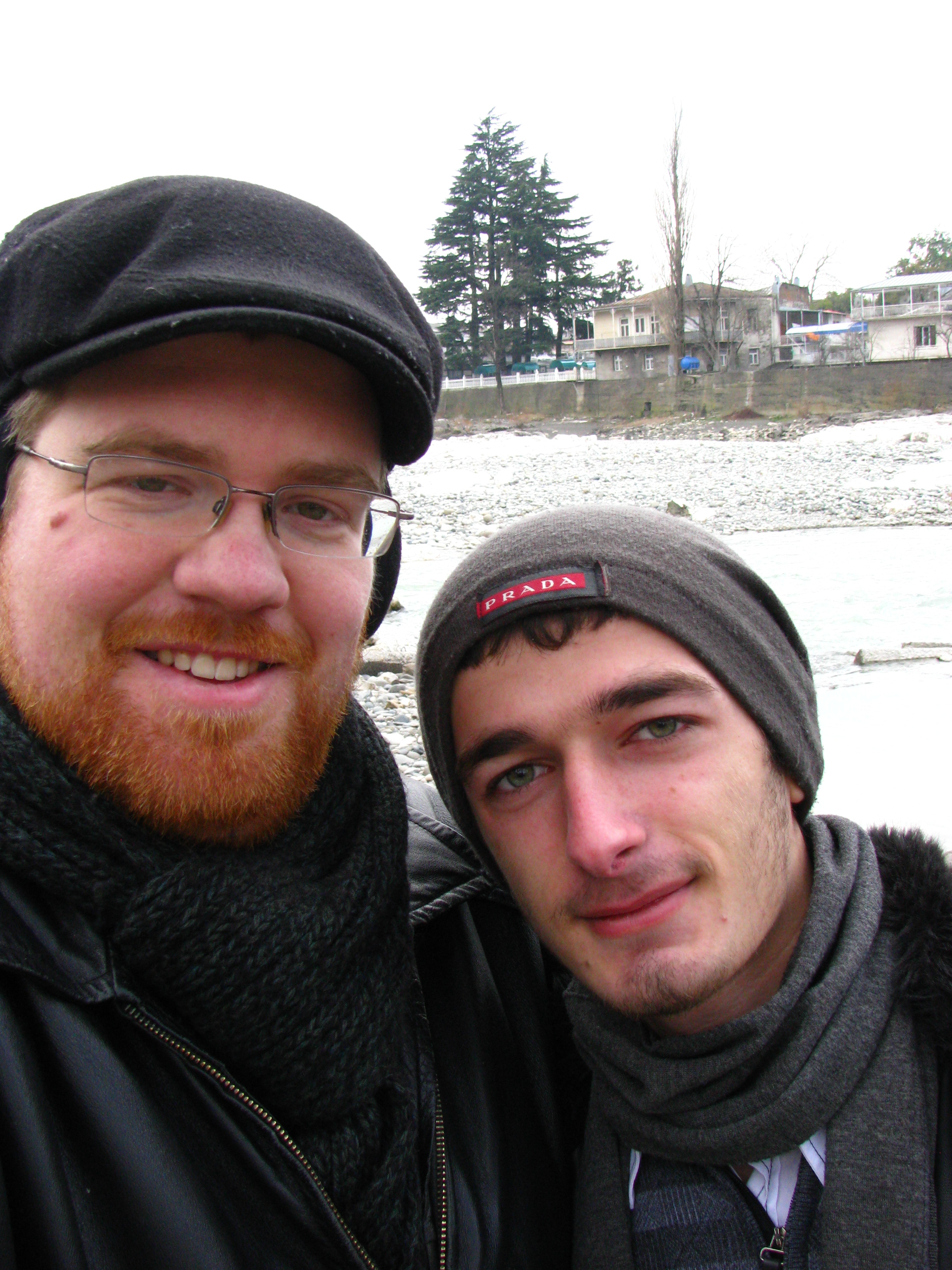
My host brother Gura and me, overlooking the Rioni river.
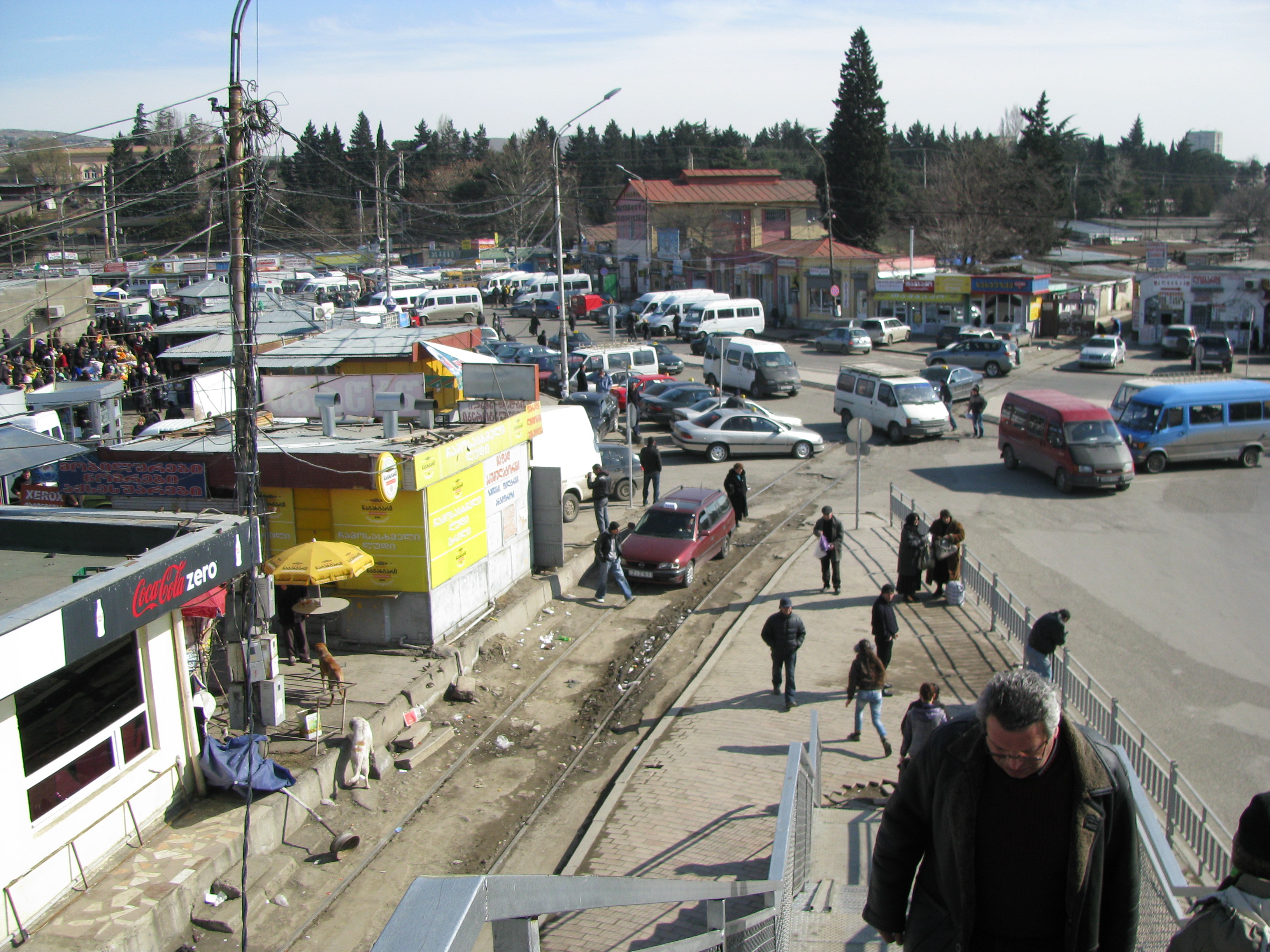
Didube bus station in north Tbilisi.
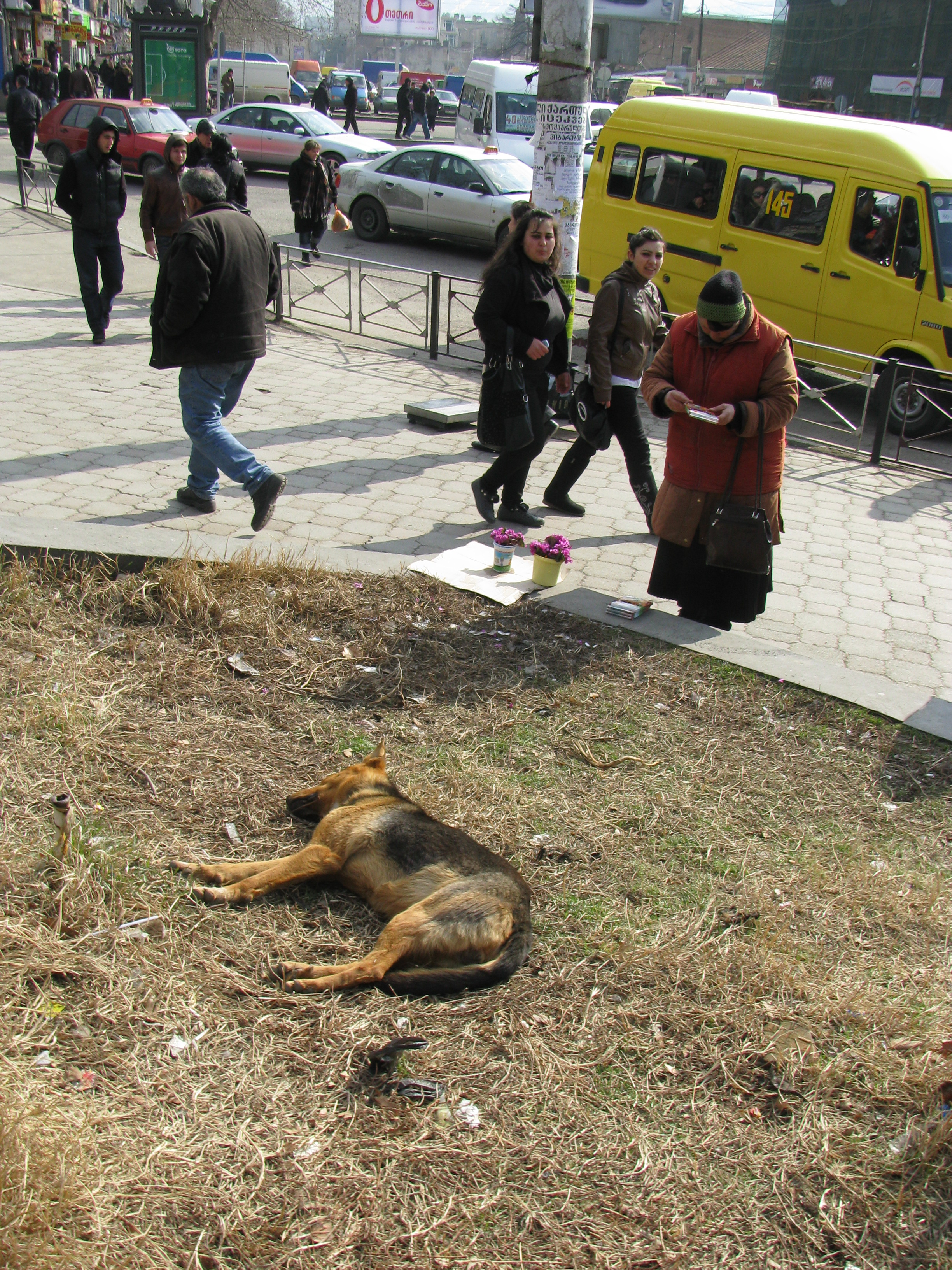
A sleeping dog at the bazaar near the Tbilisi stadium. There are a lot of stray dogs here.
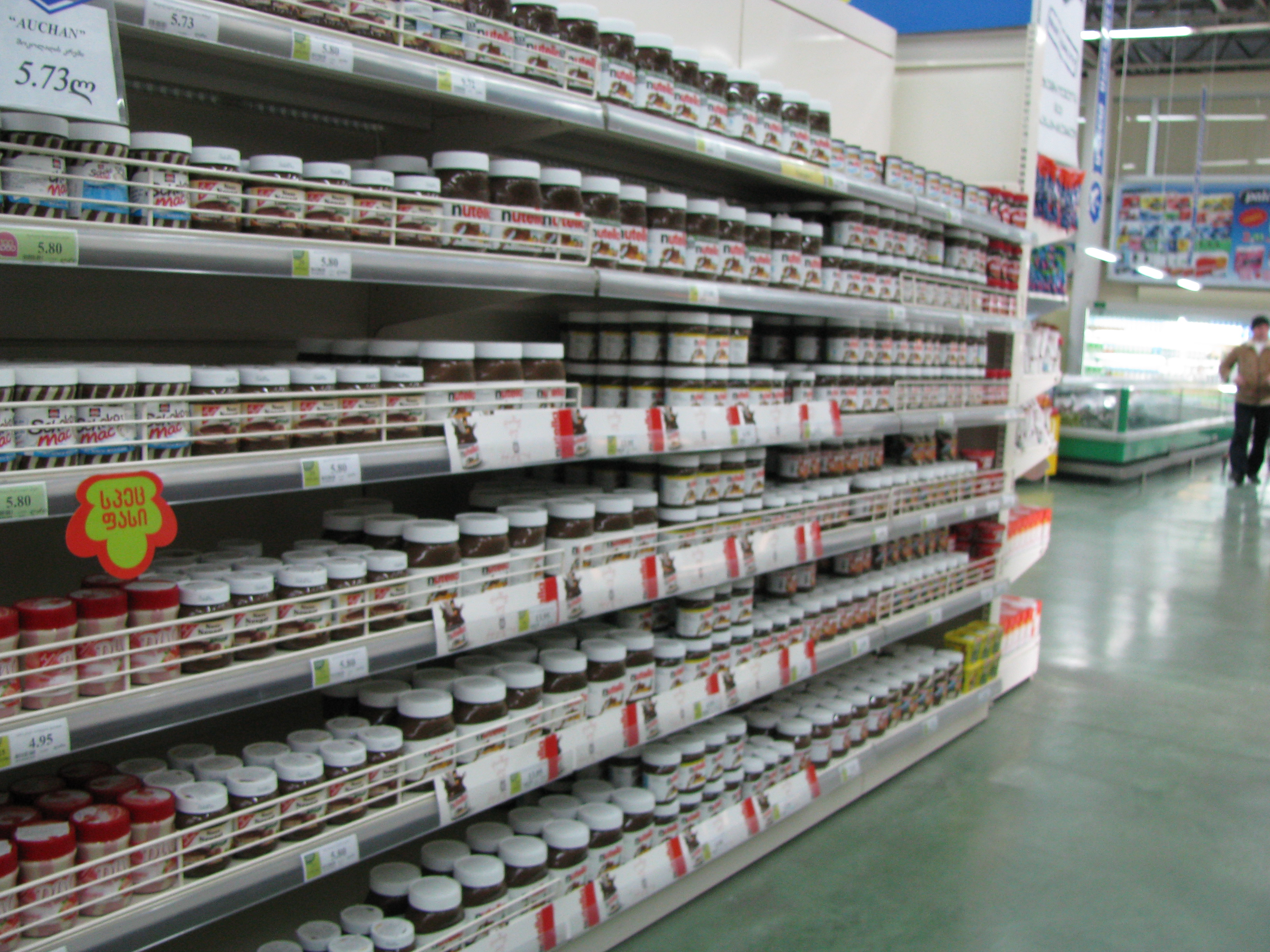
Just one of the many Nutella stands at the Goodwill supermarket in Tbilisi (no relation to the American thrift store). Apparently, Georgians are crazy for chocolaty goodness.
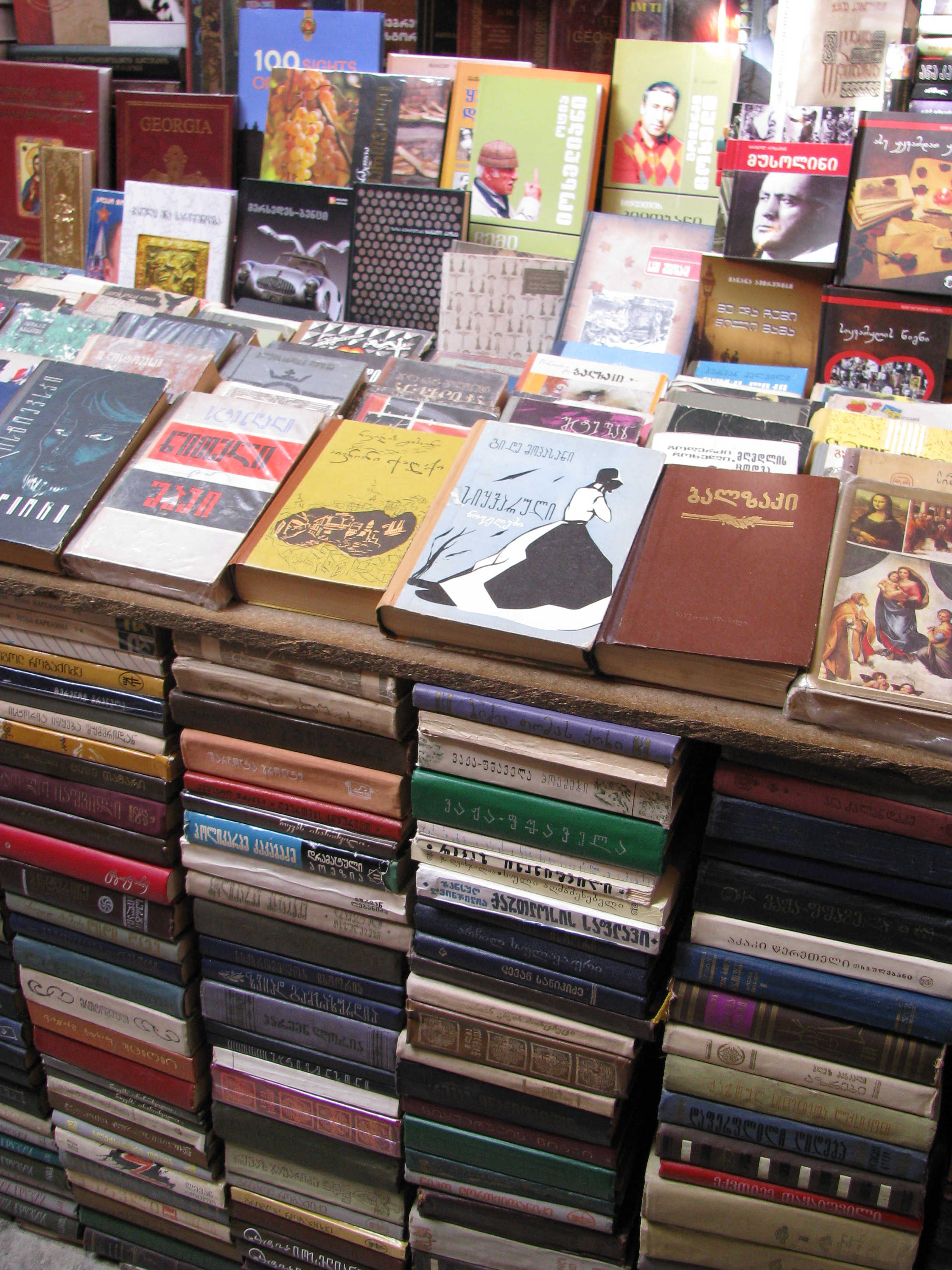
Some books at a booth in the bazaar. Most are in Georgian or Russian.

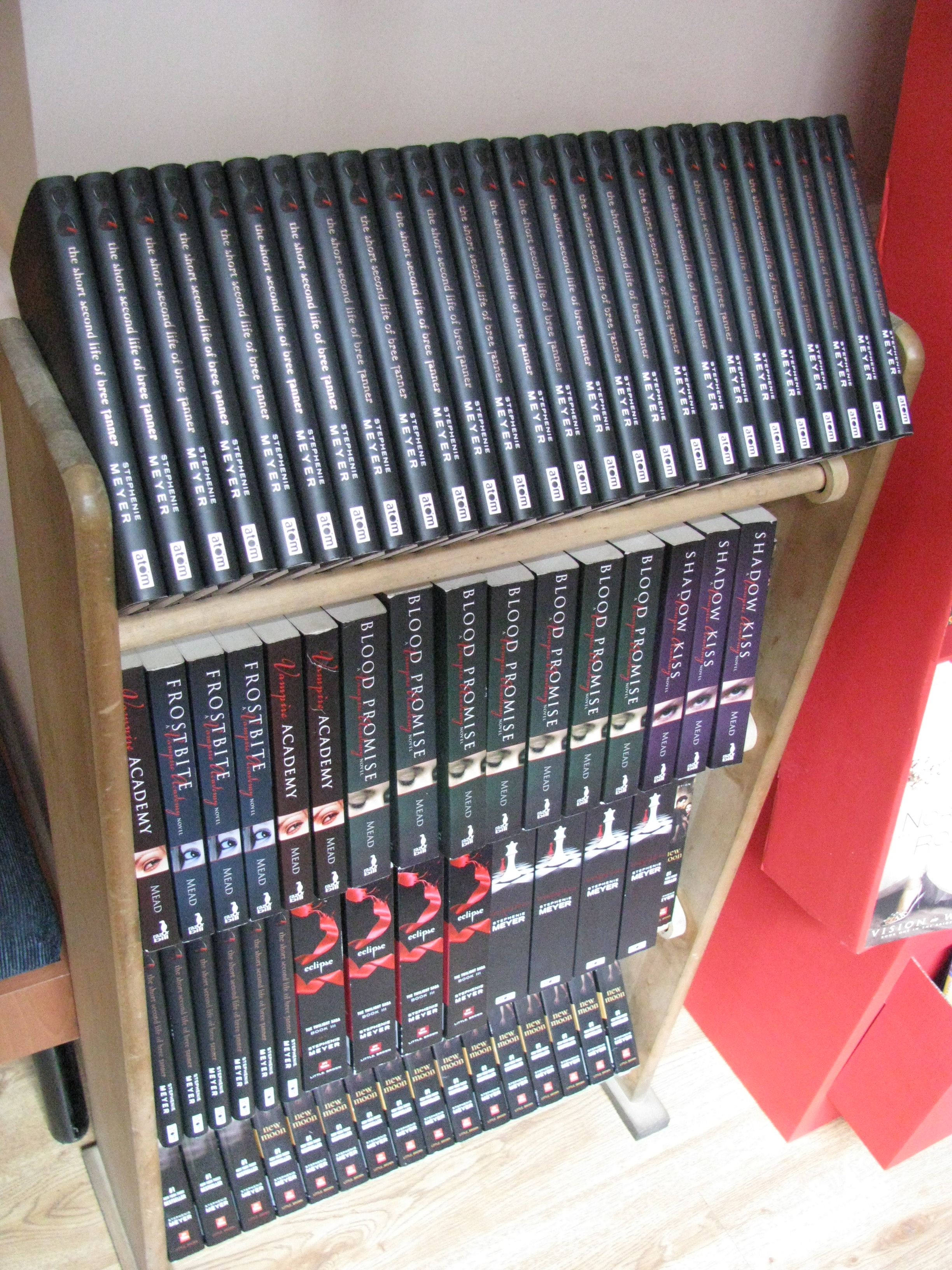
And the last one, just to show how ubiquitous Stephanie Meyer has become:

A shelf full of Stephanie Meyer's books literally on the other side of the world from her...this, my friends, is what success looks like.

So that’s what’s going on here in the land of the Kartulis.  I haven’t been writing a whole lot, obviously, but once things settle into something of a routine, it shouldn’t be too hard to get back into things.  Georgians have a way of managing time that, as a strongly perceiving ENTP, I actually find quite appealing.  But more on that later; I should probably get to bed.

Kargaaad!

Dila Mshvidobisa Sakartvelos

That’s Georgian for “good morning, Georgia.” It’s 7:20 am in Tbilisi right now, and I figure it’s time for an update before starting another day of TLG orientation.

So Georgia is a pretty interesting place so far.  We haven’t seen too much of it, because we’ve been in the hotel most of the time doing various cultural and language training sessions, but last night we got out and hiked to the top of the fortress in Tbilisi which was very fun (unfortunately, I didn’t bring a camera–next time!).  I’ve just about mastered the alphabet, though I can’t really read it well yet, and I know a few basic phrases that together with gestures and pantomimes will help me to get around.  Very few people speak English; that’s what we’re here as part of the TLG program to change.

There are 33 other teachers in my group, and they’re all pretty awesome.  Most are from the US, though there are a handful from Australia and New Zealand, which is fun.  Most of us are the same age and in the same life position: young, single, fresh out of college, fairly well educated, free of major life responsibilities and looking for an adventure.  For that reason, I think we’ve been able to bond fairly quickly, which is encouraging.  I don’t know how often I’ll see most of these people once I’ve been placed, but I’ve been making friends and getting along fairly well.

So far, the people running the TLG program seem really on the ball.  This is only the program’s second year, but it’s a major initiative from the government and has really started to have an impact.  It’s humbling, actually, to see how much the Georgians are investing in us; the program might not pay as well as JET or EPIK (TEFL programs in Japan and Korea), but for a developing country like Georgia, it’s quite a lot.  The country has been through a lot of tremendous difficulties, but they are pushing forward for a brighter and more prosperous future and I hope that I can make a difference and be a part of that.

In case you’re wondering whether I feel safe, don’t worry; everything in Tbilisi is fine.  Yes, there has been a lot of saber-rattling with Iran, but that hasn’t directly affected Georgia other than the attempted attack on the Israeli diplomats (which could have happened anywhere).  If the Western powers do undertake a major military operation in the area, Russia could become antagonistic, but I think Obama has made it clear that the US is going to stick with sanctions, at least for the foreseeable future.  Personally, I think a military strike is unlikely.  Slightly more disconcerting are the Russian anti-terrorist operations in Chechnya/Dagestan, but that seems to be an internal Russian affair, so don’t worry: I’m safe.

As far as the local culture goes, I think there will be some challenges but I should be able to get along quite well.  It seems that the people have a strong sense of community, emphasize people and relationships over rules and regulations, are honest and outgoing, very passionate, and very friendly toward Americans.

The biggest challenge will probably be the alcohol; Georgians are very proud of their wine, and men are expected to be heavy drinkers (REALLY heavy drinkers–like, even the Australians are nervous about it).  Hopefully, I’ll be able to communicate that I don’t drink because it’s forbidden in my religion, and they’ll respect that.

In general, the orientation has been preparing us for the worst (Turkish toilets, difficulties with co-teachers, host parents trying to marry us off), so a lot of us are nervous, but we’re also very excited. This is definitely an adventure!  And three or four months from now, I think most of us will look back and laugh at how nervous and scared we were.

Honestly, I’m not scared at all.  If not for the study abroad trip to Jordan, I probably would be, but so far the experience has been quite similar (though I’m sure it will be quite different).  I’ll just keep my eyes open, be a gracious guest, work hard, and experience as much as I can of this beautiful and wonderful country.