The Nominees
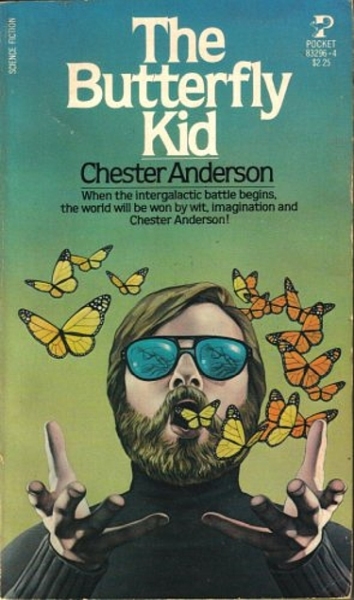
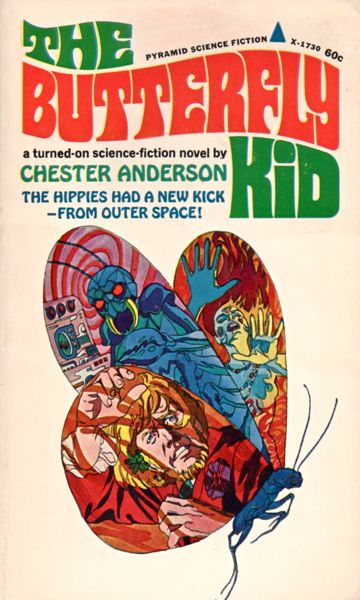
The Butterfly Kid by Chester Anderson
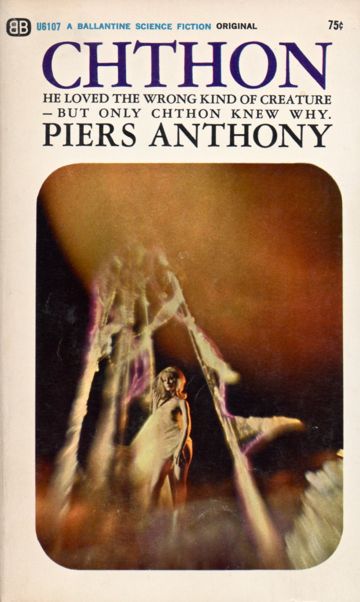
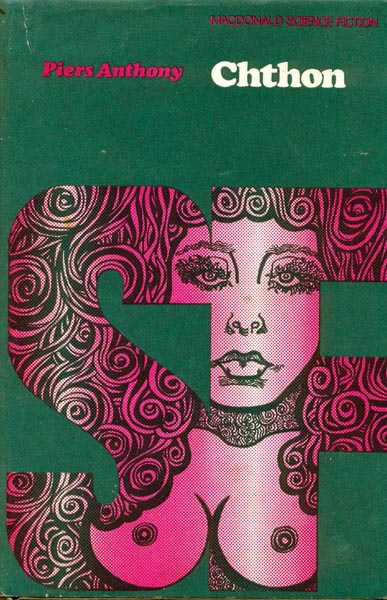
Chthon by Piers Anthony

The Einstein Intersection by Samuel R. Delany
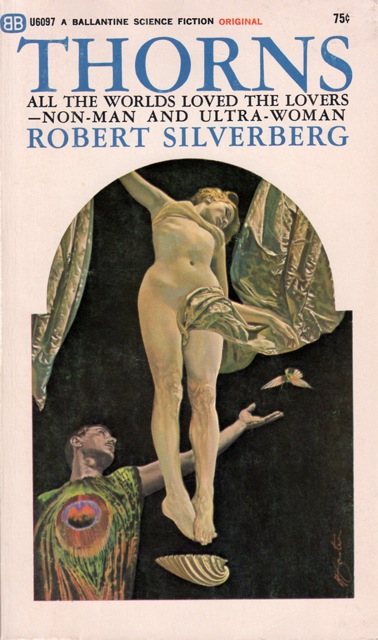
Thorns by Robert Silverberg

Lord of Light by Robert Silverberg
The Actual Results
- Lord of Light by Roger Zelazny
- The Einstein Intersection by Samuel R. Delany
- Chthon by Piers Anthony
- The Butterfly Kid by Chester Anderson
- Thorns by Robert Silverberg
How I Would Have Voted
- No Award
- Lord of Light by Roger Zelazny
Explanation
I’m not a huge fan of New Wave science fiction, and by 1968, that was the hot new trend that was sweeping the genre. Of the five books nominated, I DNFed three and screened out the other two using AI. Here’s the breakdown:
I tried to read Lord of Light by Roger Zelazny, but just didn’t get into it. It was too Eastern and pseudo-mystical for me. With that said, it’s not a bad book, so I could probably be persuaded to go back and try it again. It’s just not for me.
Strangely, I’ve found that to be true of most of Zelazny’s books and stories… except for his Chronicles of Amber, which I love. Granted, the last couple books in the series are turning into a bit of a slog (I’m currently in the middle of book 9), but the first five books following Corwin are absolutely fantastic. I was hooked from the first page of the first book, unlike every other Zelazny title, which usually loses me after 30 or 40 pages.
The Butterfly Kid was really hard to find, because the Orem Public Library AND the BYU Library don’t carry it—and the BYU Library has one of the best science fiction collections west of the Mississippi. So I read the free sample on Amazon, and that was enough to DNF it. Way too psychadelic and trippy for me. The whole book is basically a 200 page drug trip, with an alien invasion thrown in for good measure. No wonder BYU doesn’t carry it.
The Einstein Connection was probably the book that made me decide to blacklist Samuel R. Delany and never read anything else he’s written (that, and the fact that he endorsed NAMBLA). There’s a lot of weird and twisted sexual content, including (if I remember correctly) some sexual content involving children. There’s a reason why Neil Gaiman wrote such a glowing introduction to the book, extolling all the reasons why he loves all things Delany. Bunch of sick perverts if you ask me.
I’ve tried to read some Piers Anthony before, but found it very difficult because of all the sick old man vibes he gives off. Which is a shame, because he’s a pretty decent writer. But everything I’ve tried to read of his has a weird obsession with rape, or of the necessity of women to submit to male sexual needs (including the needs of strangers). So when ChatGPT told me this about Chthon, I decided I didn’t need to read it:
This appears to include rape, incest/Oedipal sexual themes, coercive/abusive sexuality, and a race of women whose narrative function is tied to abuse, desire, and destructive obsession. Several reader reviews specifically warn about rape, incest, misogyny, and violence against women, with one review describing “cold scenes of both rape and incest” and objecting that the story seems to frame the perpetrating character too sympathetically.
The setup itself is grim: Aton Five is condemned to the subterranean prison planet Chthon after falling in love with a dangerous “Minionette,” and the novel is described by SFWA’s Nebula page as dark, grim, and heavily prison-sequence driven. The tone seems psychologically oppressive rather than hopeful or adventurous.
Robert Silverberg has a very similar problem, though he’s not nearly as overt in his sick old man vibes as Piers Anthony. But I don’t think I’ve ever read a Silverberg novel that I didn’t end up DNFing for weird and disturbing sexual content. Here’s what ChatGPT said about Thorns:
High concern. There is definitely sexual content, and it sounds deeply uncomfortable rather than erotic in an ordinary adult-romance sense. Multiple reader descriptions flag a bizarre or disturbing sex scene, and the central relationship involves a seventeen-year-old girl paired with a much older, physically altered man under manipulative circumstances.
I did not find evidence of a conventional rape scene in the sources I checked, but the book’s whole setup involves sexual/reproductive exploitation: Lona is used by scientists for her eggs, becomes the biological mother of one hundred children, and is then denied access to them. That is not “sexual violence” in the ordinary on-page assault sense, but it is very much reproductive exploitation and psychological violation.
This sounds like one of Silverberg’s darker psychological SF novels. The central figure, Duncan Chalk, literally feeds on other people’s suffering and engineers misery as entertainment. The book seems interested in pain, isolation, bodily alienation, emotional manipulation, and the public consumption of private suffering.
In fact, I’m pretty sure that ChatGPT flagged its own description of the novel as potentially violating its content guidelines, which is never a good sign.
So there you have it. Another bad year for science fiction—which tends to support my thesis that SFWA ruined the genre by starting it down the long march through the institutions. SFWA was founded in 1965, and Silverberg was the president from ’67 to ’68.
(As an interesting side note, every one of these novels had at least one edition featuring cover art with topless female nudity and visible nipples.)

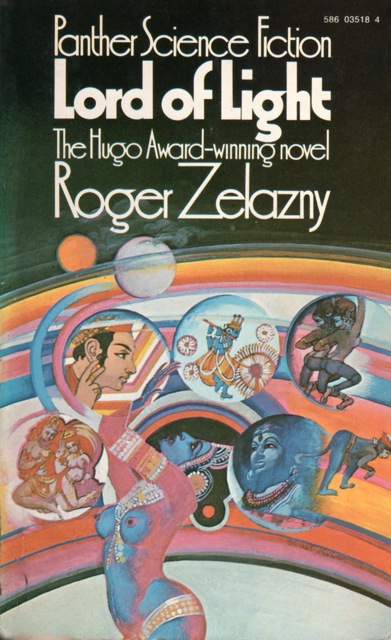


I remember reading Lord of Light a very long time ago, but I don’t remember anything about it. Couldn’t have been that good, LOL 🙂 I know I haven’t read any of the others, even if they are an author I’ve read (Silverberg, Anthony).