If you haven’t checked out my book blog yet, go give it a look! The latest post has more of my thoughts on Zelazny’s excellent Chronicles of Amber series, and short vs. long fantasy in general.
Category: Uncategorized
1001 Parsecs Books: The Guns of Avalon by Roger Zelazny
My further thoughts on Roger Zelazny and the Chronicles of Amber. Check it out on my book blog!
Amazing shot of a comet
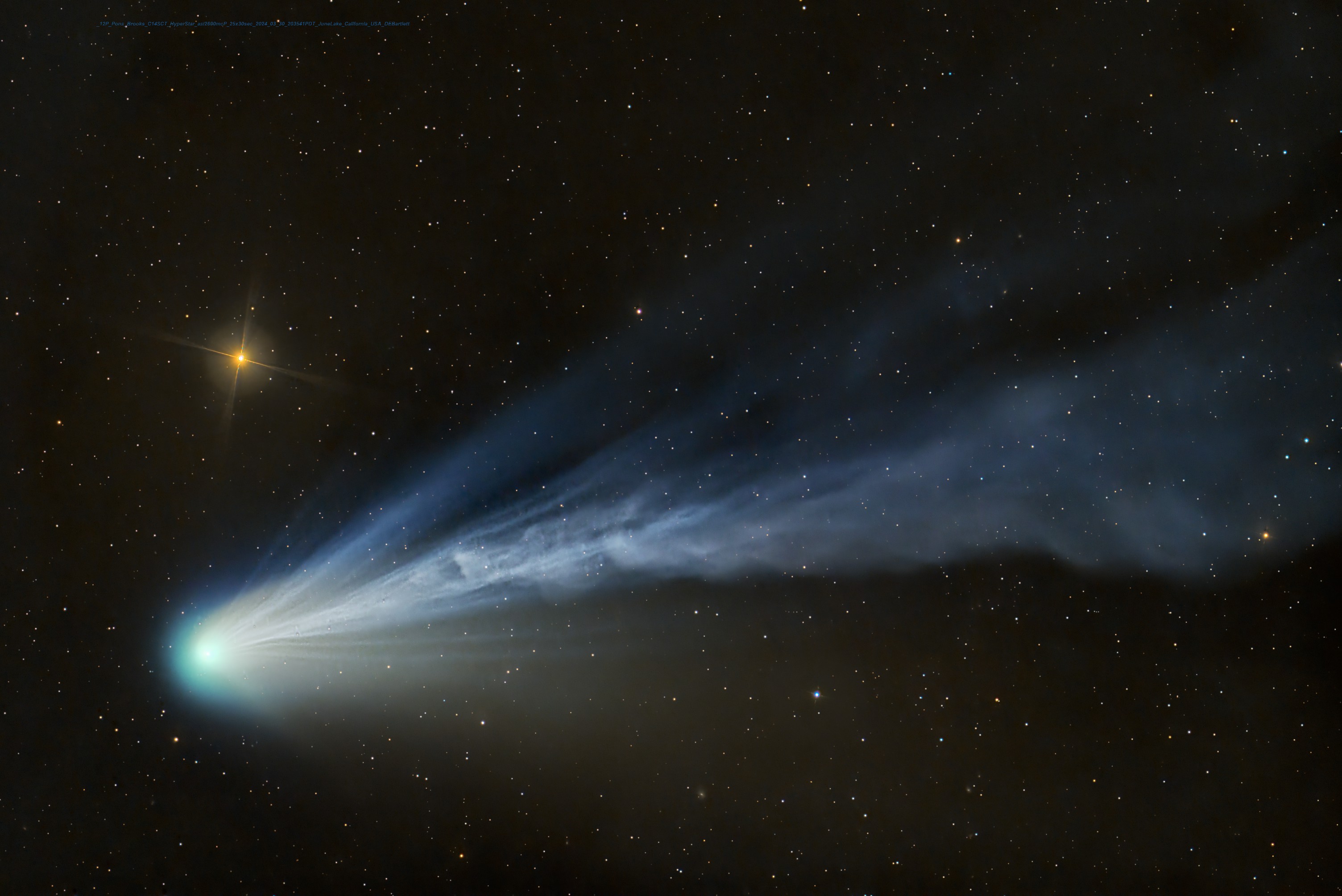
Saw this, had to share it. The way that tail billows out of the nucleus like some sort of celestial contrail is truly breathtaking.
Apparently this comet will be visible with the naked eye during the upcoming solar eclipse!
How I would vote now: 2021 Hugo Award (Best Novel)
The Nominees

Piranesi by Susanna Clarke
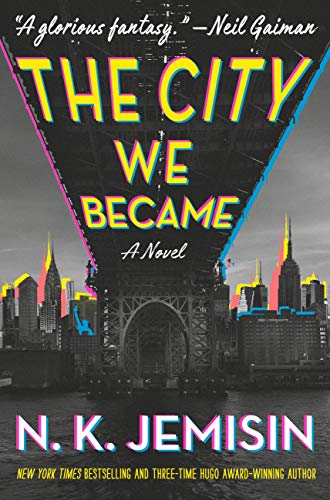
The City We Became by N.K. Jemisin

The Relentless Moon by Mary Robinette Kowal

Harrow the Ninth by Tamsyn Muir
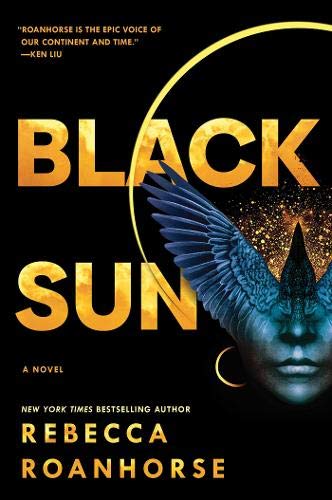
Black Sun by Rebecca Roanhorse
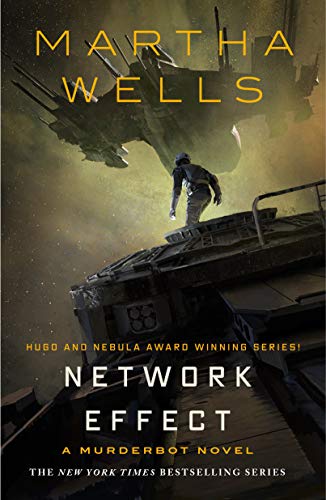
Network Effect by Martha Wells
The Actual Results
- The Network Effect by Martha Wells
- The City We Became by N.K. Jemisin
- Piranesi by Susanna Clarke
- Black Sun by Rebecca Roanhorse
- The Relentless Moon by Mary Robinette Kowal
- Harrow the Ninth by Tamsyn Muir
How I Would Have Voted
- Network Effect by Martha Wells
- No Award
- Piranesi by Susanna Clarke
Explanation
Network Effect was pretty good. In fact, it’s my favorite Murderbot book. There was a little bit of wokery, mostly in the form of the polyamorous relationships of the humans, but that didn’t bother me as much because part of the point of the Murderbot books is that the humans are (for the most part) aggravatingly dumb and slow, so the polyamory kind of blended into the rest of the nonsense that muderbot constantly has to deal with. But I can see how it would bother some readers.
I DNFed all the other books, but I didn’t want to lump Piranesi in with all the others because it just wasn’t my kind of book. All the other ones had woke themes or tropes or other issues that turned me off immensely. I DNFed the first Lady Astronauts book when it turned into a story about the brave little woman that could and her band of misfit minorities fighting back against Captain Patriarchy. The City We Became dropped half a dozen f-bombs in the first chapter, and I think it had a gay rape scene too. Also, I have no love whatsoever for New York City. As for Black Sun and Harrow the Ninth, they both suffer from the trope that I call “death is chic.” At best, it’s an aesthetic that turns me off, and at worst it’s just a cover for outright nihilism and a pro-death, anti-life worldview that undergirds everything that I hate about our current culture.
As a side note, I just want to say that when it comes to book blurbs, Neil Gaiman is one of the best contrarian indicators for my own personal tastes that I’ve found. He may have blurbed a book or two that I actually enjoyed, but for every book or author that I can remember, if he gave them praise, I not only didn’t like it, but actively hated it. He may actually be a better indicator for me than the Hugo Award itself, since I actually enjoyed the book that won this year—but I cannot think of a single book that Neil Gaiman blurbed that I didn’t despise.
1001 Parsecs Books: Putting the Fact in Fantasy by Dan Koboldt, ed.
I read a lot of writing books, and this was one I really enjoyed. Go check it out on my writing blog!
And now for something completely different…
Happy Easter!
For God so loved the world that He gave His Only Begotten Son, that whosever believeth in him should not perish, but have everlasting life.
For God sent not His Son into the world to condemn the world; but that the world through Him might be saved.
John 3:16-17
1001 Parsecs Books: Nine Princes in Amber by Roger Zelazny
I recently discovered Zelazny’s Chronicles of Amber, and have been really enjoying them! Check out my book blog, where I share some of my thoughts on the first book:
How I would vote now: 1953 Hugo (Best Novel)
The Nominees

The Demolished Man by Alfred Bester
The Actual Results
- The Demolished Man by Alfred Bester
How I Would Have Voted
- (Abstain)
Explanation
I didn’t hate this book—I did finish it, after all—but I had some issues with it, especially the ending. It’s basically a futuristic murder mystery / true crime piece, where the protagonist is a telepathic detective who figures out immediately who committed the murder, but has to jump through a bunch of hoops in order to gather the evidence and prosecute the case. The story isn’t a whodunnit so much as a character piece about the motivations behind murder, with a fair amount of action and some intriguing world-building thrown in for good measure.
There’s a lot of good, old-fashioned sci-fi stuff in here, especially with the espers and the telepaths (which were all the rage back in the science fiction of the 50s), but the ending rubbed me the wrong way, because it’s not about putting the murderer behind bars, but in “demolishing” him, brainwashing him so completely that he’s not even really capable of committing such a crime. Just like telepathy and extra-sensory perception were big in golden-age sci-fi, so was the idea that an elite class of benevolent technocrats could use The Science to usher in a futuristic utopia. That was what rubbed me the wrong way about this one.
There were also some hippy/beatnik elements in it that I didn’t like, such as a dinner party with some flagrant and gratuitous nudity. For all that golden age and new wave authors loved to project a post-sexual revolution future, most of them did a really piss-poor job anticipating its second- and third-order effects (Heinlein being one of the chief offenders—but we’ll get there). In spite of all this, I wouldn’t go so far as to vote “no award” over this one. Rather, I’d probably just abstain.
As a side note, 1953 was the first Hugo Award ever issued. As such, the nominating and voting process hadn’t been ironed out yet, so The Demolished Man was the only nominee.
1001 Parsecs Books: How to Save the West by Spencer Klavan
This one was a really great read. Check it out!