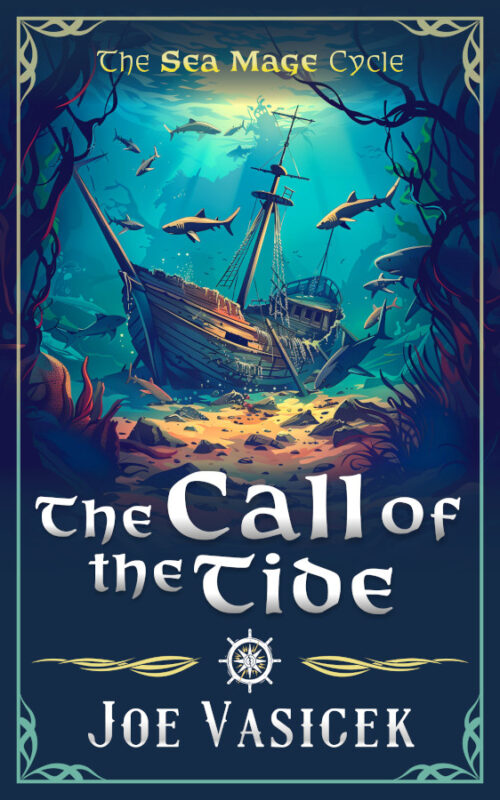
Is The Call of the Tide for You?

If you want swashbuckling nautical fantasy with pirates/privateers, sea magic, and a dangerous magical artifact, The Call of the Tide delivers a brisk, first-person adventure full of shipboard tension, ocean-set set pieces, and clear stakes. It’s the kind of story where the wind itself can be weaponized, loyalty is tested at sea, and the next wave might bring a friend… or a cultist longboat.

What Kind of Reader Will Love The Call of the Tide?

If you love…

  • Pirate fantasy / nautical adventure with ships, reefs, storms, and high-seas chases
  • A mage-on-a-ship setup (windcasting, wards, magical concealment, ocean-diving magic)
  • Cursed artifacts and dark magic—especially a relic being hunted in pieces
  • Found-family crews and captain/crew loyalty, with a pragmatic “we survive together” vibe
  • Lightly pulpy, forward-moving fantasy that aims for fun and momentum (rather than grimdark despair)

…then The Call of the Tide is probably your kind of story.

What You’ll Find Inside

The Call of the Tide follows Samuel Cox, a sea mage who signs on with Captain Leona Black aboard the Ebony Eagle, as they chase (and try to end) the threat of the Tidecaller’s Amulet—all while enemies with dark sorcery close in across open water. Expect a tense, adventurous emotional ride—confidence and fear in the same breath, banter under pressure, and “hold fast” camaraderie—told in a first-person voice with action-forward pacing (ambushes, fog runs, magical duels, and desperate escapes).

What Makes The Call of the Tide Different

Fans of classic swashbuckling adventures (the Pirates of the Caribbean flavor of momentum, danger, and spectacle) will recognize the shipboard energy, but The Call of the Tide leans harder into “working magic” at sea—using wind and concealment as practical tools in battle, escape, and navigation. Where many pirate fantasies focus mainly on treasure hunts and rival captains, this one adds a sharper edge of artifact-driven urgency and cult-level menace, including an enemy who can hide behind authority and “respectability.”

What You Won’t Find

You won’t find grimdark nihilism here—the tone aims for adventure and forward motion, even when things get dangerous. And while there’s betrayal and violence (it’s pirates vs. dark sorcery), this isn’t written as a misery-tour; it’s written to keep you turning pages through the next escape, the next duel, the next reveal.

Why I Think You Might Love The Call of the Tide

In the author’s note, I talk candidly about writing the Sea Mage Cycle as a hands-on experiment in AI-assisted creative process, learning what works, rebuilding the workflow, and intentionally prioritizing fun—especially with a fast-moving first-person approach. If you like stories that feel made with enthusiasm—where the author is clearly chasing wonder, momentum, and the joy of adventure—then I think this one will hit the spot.

Where to Get the Book

Related Posts and Pages

Explore the series index for The Sea Mage Cycle.

Return to the book page for The Call of the Tide.

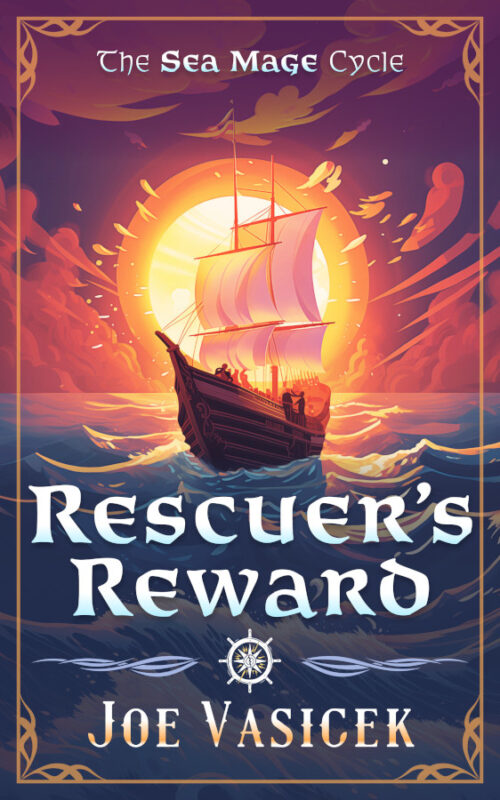
Love and Duty in Rescuer’s Reward

What do you do when the person you’re falling for is also the person you can’t choose—because kingdoms, treaties, and livelihoods are balanced on your decision? Rescuer’s Reward keeps returning to that central tension: when love becomes real, does duty become a prison—or a test of what kind of person you’re willing to be?

Where the Idea Came From

This story grew out of a simple “what if” that I can’t resist: what if a romantic rescue at sea didn’t solve a princess’s problems—but made them sharper? I wanted to take a classic fantasy-adventure setup (a daring captain, a dangerous voyage, a high-born passenger with enemies) and collide it with the unglamorous reality behind royal life: marriages that function like treaties, personal feelings that become political liabilities, and the quiet pressure of knowing your choices don’t only belong to you. That kind of conflict—between what your heart wants and what your role demands—felt like the right engine for a tight, propulsive book.

How Love and Duty Shape the Story

Julietta’s situation is defined by duty from page one: she’s headed toward an arranged marriage meant to secure alliances, trade access, and stability for her people. She isn’t naïve about it, and she’s not looking for a melodramatic escape hatch—she genuinely understands why the marriage matters, and she’s trying to be worthy of the responsibility placed on her.

Then Jason enters the story as the most dangerous kind of complication: not merely charming, not merely helpful, but someone who sees Julietta as a person rather than a symbol. As their bond deepens, the romance stops being a fantasy of “running away” and becomes a moral problem with teeth. Love creates a new possible life—but it also raises the stakes of every choice, because a single impulsive decision could ripple outward into consequences for kingdoms, crews, and innocent people caught in the machinery of power.

What makes the theme work (and keeps it from feeling like a soap opera) is that duty isn’t just a royal burden. Jason has obligations too—to his ship, to his crew, to survival, and to the kind of honor that keeps a man from taking what he wants just because he can. So the story’s tension isn’t “love versus duty” as a slogan; it’s love and duty pulling on both characters, forcing them to decide what integrity looks like when you don’t get a clean option.

What This Theme Says About Us

Most of us will never negotiate a marriage treaty, but we all recognize the feeling behind it: the moment when wanting something doesn’t make it right, and responsibility doesn’t stop being heavy just because you’re tired. Love can be a profound good—yet it can also tempt us to excuse selfishness, to hide the truth, or to treat other people as collateral damage. Rescuer’s Reward asks whether love is strongest when it wins at all costs…or when it’s willing to be honest, costly, and honorable in a world where choices have consequences.

Why This Theme Matters to Me

I love the kind of love story that forces people to tell the truth, keep promises, and weigh the cost of what they want, because that’s where love becomes more than a feeling. And, honestly, writing this book under intense pressure (trying to finish a full novel on a tight deadline) made me think a lot about duty in my own life—how commitment often means pressing on when it would be easier to quit, and how the “reward” for doing the hard thing isn’t applause, but the quiet satisfaction of having been faithful to what matters.

Where to Get the Book

Related Posts and Pages

Explore the series index for The Sea Mage Cycle.

Return to the book page for Rescuer’s Reward.