How I would vote now: 2018 Hugo Award (Best Novel)

The Nominees

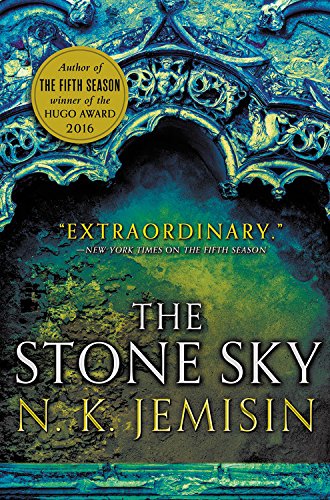
The Stone Sky by N.K. Jemisin
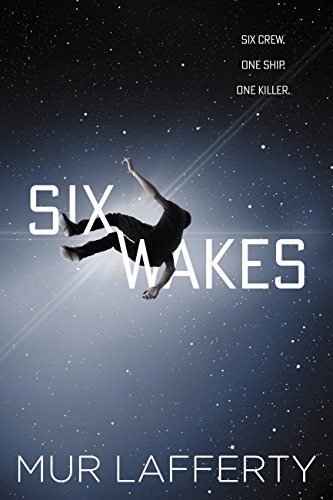
Six Wakes by Mur Lafferty
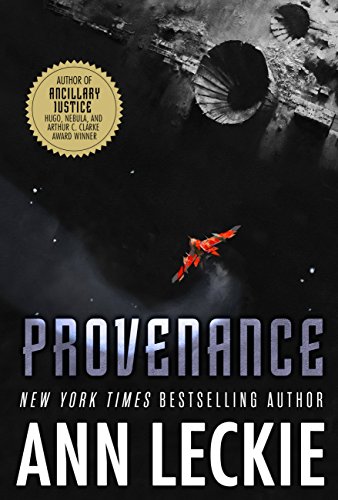
Provenance by Ann Leckie
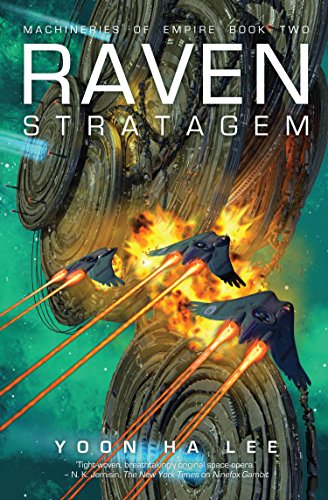
Raven Strategem by Yoon Ha Lee

New York 2140 by Kim Stanley Robinson
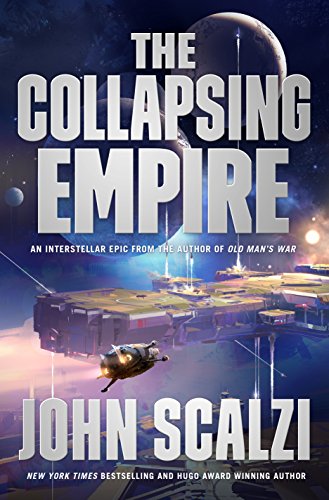
The Collapsing Empire by John Scalzi

The Actual Results

  1. The Stone Sky by N.K. Jemisin
  2. The Collapsing Empire by John Scalzi
  3. Provenance by Ann Leckie
  4. Six Wakes by Mur Lafferty
  5. Raven Strategem by Yoon Ha Lee
  6. New York 2140 by Kim Stanley Robinson

How I Would Have Voted

  1. Six Wakes by Mur Lafferty
  2. No Award

Explanation

I liked Six Wakes. It was a fun murder mystery on a spaceship, with cloning technology that led to some interesting twists (for example, everyone wakes up to discover their dead bodies floating everywhere, and the murderer doesn’t actually remember know who he/she was, because those memories weren’t uploaded to the database in time). It’s not up there with Dune or Hyperion, but it was a good read, with interesting world building and better-than-average attention to detail. There were a couple of passages that a conservative reader might consider woke, but it wasn’t enough to bother me.

Everything else from this year is pretty much terrible, in my opinion. I skipped The Stone Sky, Provenance, and Raven Strategem because those were all series that I had already DNFed. I could probably be persuaded to try Yoon Ha Lee’s Machineries of Empire series again (the first book was just too confusing and absurdly violent), but I have no desire to go back to Jemisin’s Broken Earth Trilogy or Leckie’s Ancillary Justice universe. Short version: Leckie’s entire career at this point seems to be premised on creating fantasy genders and playing to our culture’s current transgender moment, while Jemisin’s trilogy is the most anti-life (anti-pro-life?) thing I think I have ever read. Also, she’s suuuper anti-racist, which makes me think of this:

The Collapsing Empire was where I decided to give up on reading any more Scalzi. It’s basically an inferior clone of Star Trek, with random meaningless sex thrown in, which Scalzi somehow manages to make boring. I haven’t read Starter Villain and I don’t intend to, but many of this BookTuber’s criticisms of Scalzi’s writing apply to The Collapsing Empire too:

As for New York 2140, I DNFed after the first couple of pages when Robinson began to wax political, and not in a good way. I know that Kim Stanley Robinson is supposed to be one of the great SF writers of our time, but the only book of his that I’ve managed to get through was Red Mars (and that was over a decade ago). He’s one of those writers who wears his politics on his sleeve, and preaches more than he entertains. Also, he will occasionally throw in stuff that’s uncomfortably weird, like the Mars colonists having secret sex cult orgies in the farm modules. There was a time when the sex and the politics didn’t bother me as much, but it does now, so I’ve put him on my “skip this author” list, along with Ann Leckie, John Scalzi, and N.K. Jemisin.

Politically incorrect thoughts on intersectional authorship

I’m subscribed to six or seven short story podcasts, and I’ve noticed a trend on them recently. Before they start the story, they introduce the author by first listing all of the intersectional minority identities that the author qualifies for, like “queer,” “transgender,” “immigrant,” “disabled,” “person of color,” etc.

Whenever story starts off like this, I immediately delete it form my podcast.

I’m a busy guy. I’m subscribed to far too many podcasts to listen to every episode. There’s just not enough time. If I have a reason to skip it, I will.

When the first thing you tell me about the author of a story is where he/she/ze/your majesty falls on the intersectional victimhood stack, that tells me a couple of things. First, it tells me that the editors subscribe to this bullshit idea that victimhood makes you virtuous. It doesn’t.

Second, it tells me that the editors didn’t think that the story could stand on its own. Instead of giving a typical author bio, with a few incidental facts and a cute aside about the author’s wife/kids/pets/plans for world domination, the editors decided to lead with the author’s victimhood status. Because that’s why I should listen to the story. Because victimhood is virtuous, and if you don’t listen to this story after learning just how much of a victim the author is, that makes you a racist sexist transphobic Nazi fascist.

Fuck that.

I’m sure this post will generate outrage among some circles. There was a time when I would try to respond genuinely to such outrage, apologizing for causing offense and vowing to try better to understand, sympathize, and accept the experiences of…

Fuck that.

If it offends you that I automatically delete these sorts of podcasts, go fuck yourself. Seriously. Call yourself an autosexual and see where that put you on the intersectional victimhood stack. I don’t give a shit about your outrage. I couldn’t care less about how triggered you are right now. If that makes me a fascist, so be it. To paraphrase Syndrome from the Incredibles, when everyone’s a fascist, no one’s a fascist. (Which is very convenient for actual fascists.)

By the way, I’m not actually opposed to stories written by immigrants, or lesbians, or transgenders, or people of color. I’ve listened to quite a few good ones. “And Then There Were N – 1” from Escape Pod was really fun. So was “Octo-Heist in Progress” from Clarkesworld a couple of months back. Neither of which were introduced by describing just how many oppressed victimhood classes the author qualified for.

If there’s one thing we’ve learned from the Trump era, it’s that when people call you a racist sexist transphobic Nazi fascist, they really just want to bully you into silence. But all bullies are cowards at heart. If they want to silence you, it’s because they know that they’re wrong.

Can we please return to the time when everyone acknowledged that stories should stand or fall on their own merits, not on the merits of the author? Mur Lafferty did quite a few ISBW epidodes on this, and she’s hardly a right-wing type. By all means, let’s bring all the queers and wierdos along. Science fiction wouldn’t be the same without them. But let’s not use a double standard when it comes to their stories.

After all, that would be racist.