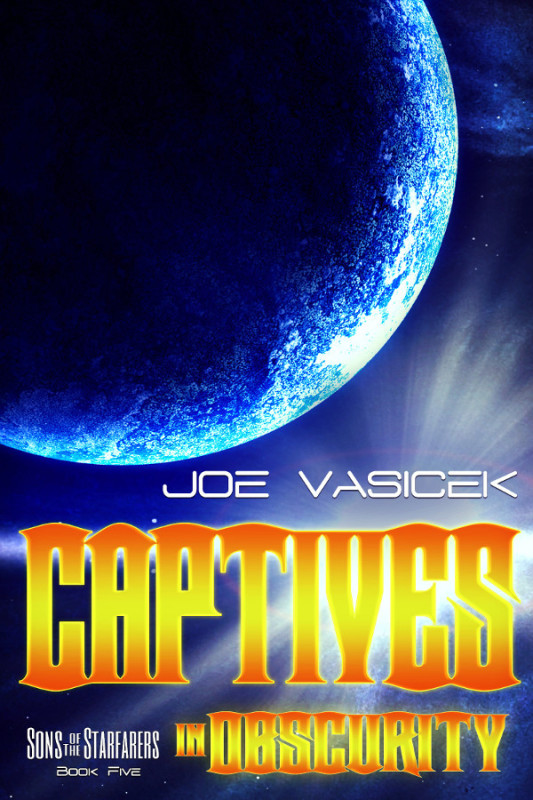
Captives in Obscurity (Sons of the Starfarers, Book 5) is a character-driven military space opera about survival under captivity, moral courage under pressure, and the terrifying intimacy of minds that can’t fully hide from each other. It delivers a tense, emotionally charged “trapped behind enemy lines” experience—part escape thriller, part relationship-and-conscience drama, with big series-arc implications kept mostly in the background.
What Kind of Reader Will Love Captives in Obscurity?
If you love …
- military sci-fi / space opera that puts characters first and treats survival as a moral problem, not just an action set piece
- captivity, escape, and resistance stories where hope is stubborn and hard-won
- high-stakes relationship tension shaped by trust, betrayal, and incompatible cultures
- psychological sci-fi elements (telepathy / shared consciousness) that intensify both danger and intimacy
- stories that wrestle honestly with hard topics instead of sanding them down
…then Captives in Obscurity is probably your kind of story.
What You’ll Find Inside
Captives in Obscurity follows Isaac—isolated, exhausted, and stripped of control—while he and Reva navigate life as prisoners aboard a pirate ship ruled by a charismatic, terrifying captain. As escape becomes less a single decision and more a long grind of endurance and strategy, the story digs into trauma, agency, guilt, and the cost of survival—especially when a strange telepathic connection (and something bigger behind it) makes privacy, consent, and trust painfully complicated. The result is a tense, gritty, emotional installment that feels intimate even when the stakes are cosmic.
What Makes Captives in Obscurity Different
Fans of loyalty-and-duty military SF will recognize the chain-of-command pressure and the “hold the line” mindset—but this book pushes the conflict inward, into the places where survival and conscience collide. Where many space opera captivity arcs focus mainly on tactics and jailbreak mechanics, Captives in Obscurity leans into the psychological and relational consequences: what it does to a person to be used, controlled, and forced to keep going anyway. And the telepathic / collective-consciousness element doesn’t just add cool sci-fi flavor—it turns trust into a battlefield and makes “escape” as emotional as it is physical.
What You Won’t Find
This isn’t a light, quippy adventure, and it doesn’t treat trauma like set dressing. Content note: the book includes fallout from a prior sexual assault between major characters and engages directly with themes of consent and coercion (including the author’s note discussing why that was essential to the story). If you want space opera that stays far away from those topics, this one may not be a good fit.
Why I Think You Might Love Captives in Obscurity
This was one of the hardest books in the series for me to write—not because the plot wouldn’t cooperate, but because the emotional consequences had to be faced honestly. I wanted to tell a story where survival doesn’t erase harm, where “good guys vs. bad guys” isn’t always clean, and where people from radically different cultures can hurt each other even without intending to be monsters. If you like science fiction that uses its big ideas to put human conscience under a microscope—and still fights to earn hope on the other side—I think this book will stick with you.
Where to Get the Book









Related Posts and Pages
Explore the series index for Sons of the Starfarers.
Return to the book page for Captives in Obscurity.
